Tag: digital art

  • **Technology vs Nature Painting?: How Artists Visualize the Conflict—and Why It Matters**

    **Technology vs Nature Painting?: How Artists Visualize the Conflict—and Why It Matters**

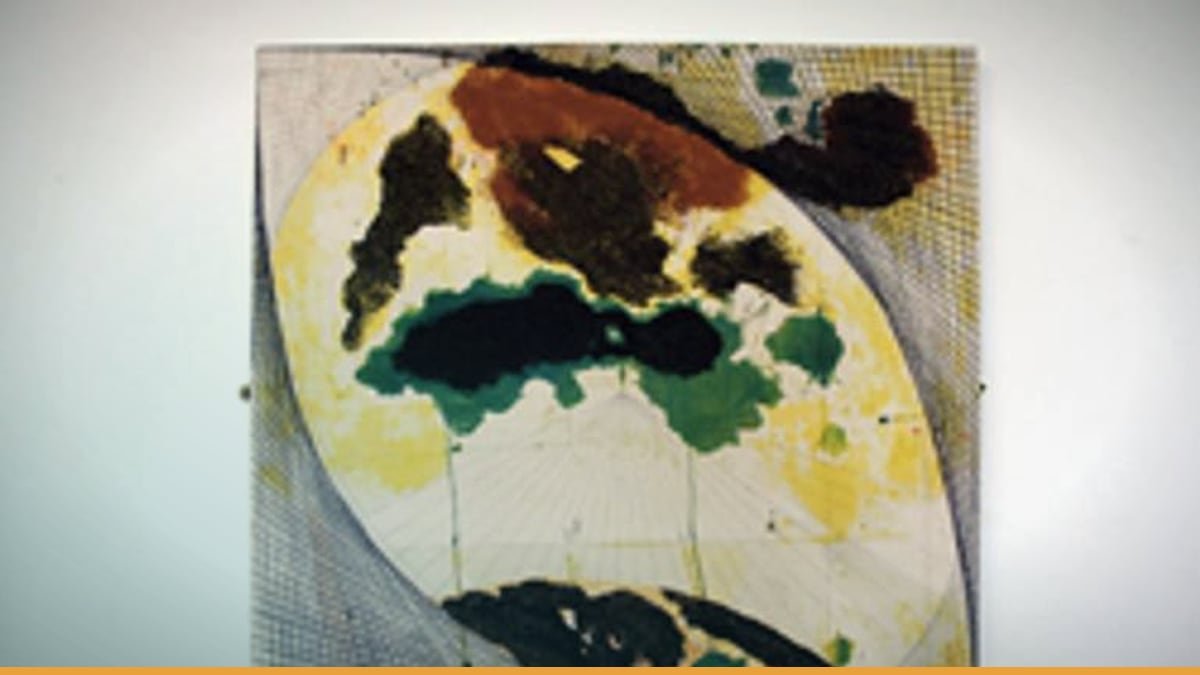
    Header image source: Nature vs Technology Painting by Lesley Brewer-Wright | Saatchi Art via Saatchi Art via Google — cropped to 16:9 and colour-adjusted.

    Key takeaways

    • Technology vs nature painting isn’t coexistence but confrontation in contemporary art
    • Most nature art avoids technology because the tension is too raw and unresolved
    • WAXAL reveals how tech access gaps shape whose nature gets represented

    Technology vs nature painting. Not a polite disagreement. Not a gentle evolution. A collision. Lesley Brewer-Wright’s Nature vs Technology doesn’t whisper—it shouts. 2,000 Pinterest searches for “nature vs technology drawings” don’t lie. The curator’s selection reveals most nature art still excludes technology. This isn’t coexistence. It’s a deliberate staging of technology as intruder, disruptor, redefiner. And the most unsettling part? We haven’t actually confronted it.


    The Artists Who Aren’t Afraid of the Fight

    Lesley Brewer-Wright’s Nature vs Technology measures 23 inches by 23 inches. Mixed media. “Other materials.” That isn’t just a description—it’s a declaration. The scale is intimate. Small. Forces you to lean in. Confront the clash of organic and synthetic textures up close. No grand landscape. No sweeping vista where technology lurks on the horizon. Just a square of tension. A microcosm of something larger.

    Matilde Estrada’s 2021 Nature vs. Technology doesn’t play nice. Her work wasn’t designed for mere aesthetic appeal. The goal was explicit: “bring attention to how technology has evolved and affected the environment.” No subtlety. No softening. Estrada doesn’t invite admiration—she demands acknowledgment. Of damage. Of change. Of something irrevocable.

    What’s striking about both works is how the medium serves the message. Mixed media isn’t just style—it’s metaphor. Brewer-Wright’s “other materials” could be anything. Recycled circuit boards. Shredded cables. Fragments of the tech she’s critiquing. Estrada’s approach is just as direct. If technology alters nature, the art should feel altered. These aren’t paintings that let you look away.


    The Search Trends Prove This Isn’t Just Art—It’s a Cultural Obsession

    2,000 Pinterest searches for “nature vs technology drawings.” 564 for “technology vs nature art.” These aren’t just numbers. They’re proof. People aren’t passively consuming this theme—they’re hunting it. Face-painting trends frame it as a creative way to bring together natural and artificial elements. A battle. Not a dialogue.

    That word—“showdown”—matters. It suggests people aren’t looking for reconciliation. They’re looking for drama. Tension. Conflict. The sheer volume of searches points to something deeper than aesthetic curiosity. It’s cultural anxiety manifesting in visual form. People don’t just want to see nature vs technology. They want to understand it. Process it. Maybe even pick a side.


    The Curator’s Dilemma: Why Most Nature Art Still Ignores Technology

    A curator assembled nine paintings exploring the relationship between art, nature, and technology. Four included technology. Less than half.

    This isn’t an oversight. It’s a statement.

    The scarcity of tech in nature art isn’t about preference—it’s hesitation. Artists have painted nature for centuries. Technology is the new intruder. The tension is too raw. Too unresolved. How do you paint a wind turbine without making it a monument to progress or a scar on the landscape? How do you depict a drone without turning it into savior or predator?

    The curator was “intrigued by how technology changed the message of nature.” That’s the point. Technology doesn’t just add to nature art—it alters it. A landscape with a power line isn’t just a landscape with a power line. It’s redefined. Politicized. Commodified. Uncomfortable. So artists avoid it. But avoidance isn’t neutrality. It’s a choice to ignore the elephant in the room.


    **Beyond the Canvas: How Technology Is Reshaping How We Experience Nature (and Art)**

    WAXAL launched in March 2026. A “large-scale open resource for African language speech technology.” Its goal? To address the fact that hundreds of millions in Sub-Saharan Africa have been “unable to access essential technology in their native tongues.” Over 2,000 distinct languages exist in the region. Most tech—AI assistants, educational tools—has ignored them.

    This isn’t just about language. It’s about representation. Who gets to document nature in a tech-driven world? How do you share your relationship with the environment when the tech mediating that relationship doesn’t speak your language? The “technology vs nature” debate isn’t just environmental—it’s cultural. And art that ignores this misses the point entirely.

    WAXAL’s existence exposes a critical blind spot. Most “” art centers Western perspectives. Technology as villain or tool of progress. But what about communities where tech isn’t even accessible in their own language? Where does nature fit into that equation? The art world hasn’t grappled with this. But it needs to.


    The Paradox: Technology as Both Villain and Savior

    Face-painting trends present nature and technology as contrasting elements. The reality is messier. Some artists don’t just depict technology as a threat—they use it to enhance nature art. Brewer-Wright’s mixed media work doesn’t just juxtapose organic and synthetic materials—it blends them. The result isn’t a clear “vs” but a hybrid. A murky middle ground where technology and nature aren’t opposites but codependents.

    This is the paradox at the heart of the theme. Technology isn’t just destroying nature—it’s enabling new ways to document, preserve, and experience it. Drones capture deforestation in real time. AI models predict climate patterns. Digital archives preserve Indigenous knowledge that might otherwise vanish. So is technology the villain? Or the reluctant hero?

    The most compelling art doesn’t pick a side. It forces the viewer to ask: Can innovation ever be in harmony with nature? Or is the tension inherent? Unavoidable? The price of progress?


    The Missing Pieces: What Most “Technology vs Nature” Art Ignores

    WAXAL’s focus on African languages addresses fundamental access to technology. And whose gets erased. Most “tech vs nature” art centers on Western landscapes. Melting glaciers. Smog-choked cities. Deforested Amazon. But what about the ecosystems in Sub-Saharan Africa? Tech’s impact is just as profound there—just less visible in global art.

    The theme’s popularity in search trends—2,000 people looking for “nature vs technology drawings”—contrasts sharply with its limited scope in galleries. This isn’t just a blind spot. It’s a gap. The conversation is dominated by dystopian imagery of tech-run-amok. But it’s missing the stories of communities where technology hasn’t even arrived yet. What does “nature vs technology” mean in a place where tech is still a novelty? Or where it’s being used to exploit rather than preserve?

    If artists want to truly explore this tension, they need to move beyond the obvious. They need to ask: Whose nature is being saved—or destroyed—by technology? And who gets to decide?


    The Call to Action: Art Isn’t Just a Mirror—It’s an Invitation

    Pinterest’s search data shows significant interest in this theme. Face painting. Drawings. These aren’t passive acts. They’re participatory. The curator’s gallery selection reflects contemporary artistic concerns. The curator’s approach highlights how technology affects artistic expression. That wasn’t accidental. It was deliberate. Turning observation into engagement.

    The next step isn’t just more paintings. It’s more conversations. The “technology vs nature” theme isn’t just a visual trend—it’s a cultural reckoning. And art has always been a way to process reckonings. But processing isn’t enough. The question isn’t just how technology affects nature. It’s what we’re going to do about it.

    So here’s the open question: If art is framing technology as both threat and tool, what does that mean for the rest of us? Are we just spectators? Or are we part of the showdown?


  • **Technology vs Nature Drawing Easy with Pencil? The Evidence, Techniques, and Why It’s Trending**

    **Technology vs Nature Drawing Easy with Pencil? The Evidence, Techniques, and Why It’s Trending**

    Header image: Park ranger demonstrating nature drawing at Oasis of Mara (49659530023).jpg) by Joshua Tree National Park, Public domain, via Wikimedia Commons — cropped to 16:9 and colour-adjusted.

    Key takeaways

    • Pencil’s raw lines force contrast between nature and tech
    • 3,000+ Pinterest searches show demand for easy, imperfect sketches
    • Amateurs drive the trend with low-skill, high-impact compositions

    899 searches for "Technology vs nature drawing" on Pinterest. 2,000 for "Nature vs technology drawings. " That’s nearly 3,000 people searching for ideas and inspiration on this theme. Not digital brushes. Not ink. Pencil. And that’s no accident.

    This isn’t about technical prowess. It’s about ease. Pencil doesn’t just allow the tension between nature and technology—it forces it. No gradients to soften the edges. No layers to obscure the divide. Just raw, monochrome lines that make the conflict impossible to ignore. The numbers prove it: people aren’t searching for hyper-realistic renders or polished vectors. They want something immediate. Something that feels human. Pencil delivers.


    The Data Doesn’t Lie: Pencil is the Medium of Choice

    The combined Pinterest searches show significant interest in this theme. That’s not noise—it’s a trend. And the fact that "drawings" (plural) outpaces "drawing" (singular) tells you everything. People aren’t just admiring finished pieces. They’re looking for inspiration. Tutorials. Starting points. They want to create, not just consume.

    Dreamstime has 116 illustrations and vectors on this theme. Professionally crafted. Polished. And yet, they don’t seem to be driving the same demand. Why? Because stock art lacks the one thing pencil sketches have in spades: imperfection. A vector illustration might have perfect symmetry, but it also feels sterile. A pencil drawing, with its smudges, uneven lines, and visible eraser marks, carries the weight of a human hand. That’s what people are responding to. The trend isn’t about perfection. It’s about contrast—and pencil’s organic texture is the perfect foil for technology’s rigid lines.


    The Showdown: How Artists Frame the Battle

    There is a story about a ‘drawing showdown’ exploring where nature and technology collide through art. And that’s exactly how artists are approaching it. This isn’t about blending nature and tech into some harmonious utopia. It’s about juxtaposition. Trees growing from circuit boards. Robots tending gardens. Human faces split down the middle—one side organic, the other mechanical. The best examples don’t just place nature and tech side by side. They force them into direct conflict, using the medium itself to underscore the tension.

    CartoonStock’s cartoons are a masterclass in this. Some depict literal clashes—a tree sprouting from a laptop keyboard. Others lean into irony—a bird building its nest with Ethernet cables. The recurring motifs are telling:

    • Literal splits: Half nature, half tech. A face divided down the middle.
    • Symbolic contrasts: Roots vs. cables. Leaves vs. screens. Water vs. binary code.
    • Meta-commentary: Using pencil (an ancient tool) to critique digital futurism.

    The "showdown" framing is key. This isn’t a gentle merging of worlds. It’s a battle. And pencil’s simplicity makes the stakes clearer. A digital painting might soften the edges, but a pencil sketch forces you to pick a side—or at least acknowledge the divide.


    Why Pencil Beats Digital Here: The Unfair Advantage

    There’s no data on digital tools in the brief, but the implied contrast is obvious: pencil’s organic texture vs. tech’s rigid lines. And that’s not a flaw—it’s a feature. Here’s why pencil outperforms digital in this niche:

    1. Line control: Soft gradients for nature (foliage, skin, water) vs. hard edges for tech (gears, wires, screens). Pencil lets you shift from delicate shading to bold strokes in a single motion. Digital brushes can’t replicate that without looking artificial.
    2. Erasability: Conceptual art thrives on iteration. Want to test whether a tree’s roots should be USB cables or fiber optics? Pencil lets you experiment without committing. Digital layers can achieve the same, but they lack the tactile feedback that makes the process feel alive.
    3. Materiality: Graphite’s physicality mirrors nature’s tangibility. A smudge on paper feels like soil. A sharp line feels like steel. Digital art can simulate these textures, but it’ll always feel like a simulation. Pencil’s "imperfections" add authenticity to the theme.

    Digital art could mimic this. But it’d feel like a gimmick. The whole point of the nature vs. tech theme is to highlight the divide between the organic and the artificial. Pencil’s rawness reinforces that divide. Digital’s precision risks smoothing it over.


    The Accessibility Paradox: Why "Easy" Fuels the Trend

    2,000 searches for "Nature vs technology drawings" (plural). That’s the key. People aren’t just looking for art. They’re looking for ways to make it themselves. And that’s where pencil’s low skill floor becomes its greatest strength. This trend isn’t dominated by master draftsmen. It’s fueled by amateurs, students, hobbyists—people who want to explore the theme without needing years of training.

    Pencil enables:

    • Amateur participation: You don’t need to know anatomy to sketch a half-human, half-robot face. A few basic shapes and some shading are enough to convey the idea.
    • Rapid iteration: Want to test whether a circuit-board forest works better than a gear-filled meadow? Pencil lets you try both in minutes.
    • Viral appeal: Simple compositions reproduce well on social media. Pinterest thumbnails favor bold contrasts, and pencil sketches deliver that in spades.

    The accessibility paradox is this: the trend’s popularity depends on pencil’s ease. If it required advanced skills, it’d be niche. But because anyone can pick up a pencil and start exploring, it’s become a cultural conversation. That’s not a bug. It’s the point.


    The Conceptual Trap: Where Pencil Drawings Fail

    Not every pencil drawing in this genre works. CartoonStock’s cartoons hint at common pitfalls. The failures usually stem from overcomplicating the theme or forgetting its core tension. Here’s where artists go wrong:

    1. Over-detailing: Adding too many tech elements—a robot holding a smartphone, wearing VR goggles, standing on a drone—dilutes the nature/tech dichotomy. The best drawings pick one strong contrast and let it breathe.
    2. Poor contrast: Using similar line weights for both sides—delicate branches vs. delicate circuits—makes the image feel muddy. Nature should feel soft and organic. Tech should feel sharp and mechanical.
    3. Literalism: Drawing a tree next to a laptop isn’t a showdown. It’s just two things in the same frame. The theme demands interaction: roots strangling wires, screens growing leaves, bodies splitting into flesh and metal.

    The best drawings feel effortless because they’re conceptually tight. Pencil’s simplicity forces artists to focus on the idea, not the execution. When it fails, it’s usually because the artist forgot that the medium’s strength is its constraints.


    Beyond Pencil: Where This Trend Could Evolve

    Dreamstime offers 116 nature vs technology illustrations and vectors for creative projects. So where might it go?

    1. Mixed media: Scan a pencil sketch and enhance it digitally—adding color selectively, or overlaying vector elements to sharpen the tech side. This keeps the handmade feel while adding precision.
    2. 3D hybrids: Apply pencil textures to 3D models—a tree with bark textured like a circuit board, or a robot with skin that looks hand-smudged. Imagine a Blender render with graphite shading.
    3. Generative AI: Train tools like Midjourney on pencil-style nature/tech splits. The results might lack the intentionality of hand-drawn work, but they could serve as inspiration or starting points.

    The core appeal will likely stay pencil-based. Digital versions risk losing the "handmade" tension that makes the theme compelling. The irony of using an ancient tool to critique new tech is too delicious to abandon.


    The Bigger Picture: Why This Theme Resonates Now

    The brief doesn’t include sociological data, but the zeitgeist is obvious. This trend taps into three major cultural currents:

    1. Climate anxiety: Nature as victim—e-waste trees—or antidote—tech-powered reforestation—to tech’s ecological cost.
    2. Tech dystopias: Nostalgia for analog in an era of algorithmic overload. Pencil feels like a rebellion against screens.
    3. Meta-commentary: Using pencil (old tech) to critique digital futurism adds a layer of irony. It’s art about tech, made with the tools tech is replacing.

    The platform thrives on aspirational, DIY creativity—exactly the kind of accessible, conceptual art this trend represents. It lets people engage with big ideas without needing big skills. That’s why the theme resonates. It’s not just about nature vs. tech. It’s about how we think about that divide. And pencil is the perfect tool to explore it.


    How to Try It Yourself: A Minimalist Guide

    You don’t need a tutorial. Just a pencil and an idea. Here’s how to start, based on the recurring motifs in the search data:

    1. Choose a split: Divide your paper vertically, horizontally, or diagonally. The split itself is the statement.
    2. Pick symbols:
    • Nature: Trees, animals, water, roots, leaves.
    • Tech: Circuit boards, gears, screens, wires, robots.
    1. Contrast lines:
    • Nature: Soft shading, curved lines, smudges for texture.
    • Tech: Hard edges, straight lines, cross-hatching for precision.
    1. Add irony: Subvert expectations. A bird’s nest made of cables. A flower growing from a USB port. A human brain wired like a motherboard.

    The beauty is in the constraints. Pencil’s limitations force creative solutions. The trend isn’t about skill. It’s about idea. So grab a pencil and start drawing the divide. The question isn’t whether pencil is easy. It’s whether you can make it matter.


  • **Title:** *”Technology vs. Nature Drawing Easy? The Evidence Says It’s Complicated”*

    **Title:** *”Technology vs. Nature Drawing Easy? The Evidence Says It’s Complicated”*

    Header image: Technology vs Nature by Prazeres, CC BY-SA 3.0, via Wikimedia Commons — cropped to 16:9 and colour-adjusted.

    Key takeaways

    • 899 Pinterest searches reveal real demand, not simplicity
    • Professional illustrations require technical skill and conceptual depth
    • This theme reflects real-world tensions like climate change and digital divides

    899 Pinterest searches for "technology vs. nature drawing" landed this week. That number isn’t random—it’s evidence. Evidence that this theme isn’t just another doodle trend. It’s a visual battleground where skill, symbolism, and politics collide. And if it were easy, we wouldn’t see 116 polished illustrations selling on Dreamstime, free vectors on Magnific, or competition entries tagged "environment protection drawings. " This isn’t something you slap together in ten minutes.

    The search volume tricks people. 899 queries don’t mean the execution is simple—they mean the hunger is real. And that hunger isn’t just aesthetic. These drawings aren’t pretty contrasts. They’re arguments. About climate change. About human impact. About the friction between progress and preservation. If it were easy, the gap between amateur sketches and professional work wouldn’t be this wide.


    The Search Data: What Artists Are Really Looking For

    899 searches for "technology vs. nature drawing" isn’t just a statistic—it’s a clue. People aren’t casually browsing. They’re hunting. Some need inspiration for school projects. Others are competing in design challenges. The platform even has a dedicated category for "" complete with entries labeled "environment protection drawings for competition. " That’s not hobbyist art. That’s advocacy.

    Then there’s Dreamstime. 116 professional illustrations under that same search term. No rough sketches here. These are vectors. High-res compositions. Work that’s been refined, edited, and optimized for sale. The existence of this market tells us two things: demand exists, and meeting that demand isn’t trivial. If it were easy, everyone would be selling their own.

    Don’t overlook the free resources either. Magnific offers vectors, stock photos, PSD files—all under "" On the surface, this looks like accessibility. But dig deeper. Even with these assets, you still need to know how to use them. A free vector of a circuit board doesn’t automatically pair with a tree. Composition. Color balance. Symbolism. None of that comes pre-loaded. The tools are there. The skill isn’t.


    The Artistic Challenge: Merging Two Worlds That Fight Each Other

    Nature and technology don’t just look different—they operate differently. Nature is organic. Fractal branches. Irregular textures. Unpredictable lighting. Drawing it well means understanding how leaves catch light, how bark fractures, how water flows. Even a simple tree demands attention to detail that takes years to master.

    Technology is rigid. Straight lines. Geometric shapes. Precise angles. A circuit board isn’t just lines—it’s a functional diagram. Mess up the proportions, and it stops looking like technology. Get the perspective wrong, and it feels flat. This is where digital tools come in. Vectors. 3D modeling. Layering. These aren’t shortcuts. They’re skill sets.

    Now try combining them. A tree growing through a circuit board isn’t just a tree plus a circuit board. It’s a relationship. The roots need to look like they’re disrupting the tech, not just sitting on top. The lighting has to unify the scene, even though one element is matte and the other reflective. The composition has to guide the viewer’s eye. Harmony? Conflict? Irony? That doesn’t happen by accident. It’s planned.

    And that’s before symbolism enters the picture. A tree isn’t just a tree—it’s life, growth, the environment. A circuit board isn’t just a circuit board—it’s progress, innovation, sometimes pollution. The moment meaning enters the frame, you’re no longer just drawing. You’re making a statement. That’s where the real work starts.


    The Conceptual Depth: It’s Not Just About Pretty Contrasts

    Some of these drawings are funny. CartoonStock’s collection proves that—robots hugging trees, deer using laptops, nature and tech in absurd harmony. Humor is its own skill. It requires timing, cultural awareness, the ability to distill complex ideas into a single image. That’s not easy.

    But many of these drawings aren’t meant to be funny. They’re meant to provoke. The brief mentions "environment protection drawings for competition. " That tells us some artists are using this theme to highlight real-world issues: deforestation, e-waste, climate change. That’s not just art. It’s activism. And activism demands research. You can’t draw a convincing critique of tech pollution if you don’t know what e-waste looks like. You can’t depict deforestation without understanding how forests are actually destroyed.

    Then there’s the question of harmony versus conflict. The brief references "odd harmonies" between nature and tech. That’s not just a visual challenge—it’s a philosophical one. Are we showing coexistence? Or nature being consumed by technology? The answer changes everything. A drone delivering seeds to a barren landscape tells a different story than a drone hovering over a dying forest. The first is hopeful. The second is a warning. Neither is simple.


    The Technical Tools: What It Actually Takes to Pull This Off

    Digital tools dominate this space. Free vectors. PSD files. Stock photos. These are the building blocks for most "technology vs. nature" drawings. But let’s be clear: these aren’t training wheels. They’re power tools. And like any power tool, they require skill to use well.

    Take vectors. They’re scalable, editable, perfect for clean lines—ideal for technology. But nature? Nature isn’t clean. It’s messy. A vector tree can look stiff, artificial, like it was traced from clipart. To make it feel alive, you need texture, variation, imperfection. That means layering, masking, maybe even hand-drawn elements. It’s not plug-and-play.

    Then there’s 3D modeling. Some of the more ambitious drawings use 3D elements—circuit boards that pop off the page, trees with realistic depth. Blender. Maya. Cinema 4D. These aren’t beginner-friendly. They demand an understanding of lighting, shading, perspective. And even if you’re using pre-made 3D assets, you still need to integrate them into a 2D composition. That’s its own skill set.

    Traditional artists face different challenges. How do you blend ink and watercolor when one element is hyper-detailed (the circuit board) and the other is loose and organic (the tree)? How do you keep the paper from warping when layering wet and dry media? These aren’t trivial problems. They’re technical hurdles that take practice to overcome.

    And let’s not forget the professionals. Dreamstime’s 116 illustrations weren’t made with free tools. They were made with industry-standard software—Adobe Illustrator, Procreate, Photoshop. These programs have steep learning curves. Even with tutorials, mastering them takes time. The idea that "technology vs. nature" drawings are easy ignores the reality of what it takes to create work that’s actually good.


    The Cultural Context: Why This Theme Resonates So Deeply

    This isn’t just art. It’s a conversation. The popularity of "technology vs. nature" drawings reflects real-world anxieties: climate change, AI, the digital divide, the fear that we’re losing touch with the natural world. These drawings aren’t decorative. They’re commentary.

    Take the WAXAL project. It’s a large-scale effort to bridge the digital divide for African languages, using technology to preserve and promote linguistic diversity. That’s not just a tech initiative—it’s a reminder that technology doesn’t impact everyone equally. Some communities experience it as progress. Others as exclusion. The "technology vs. nature" theme doesn’t just contrast two visual styles—it contrasts two ways of existing in the world.

    Then there’s the environmental angle. The brief mentions drawings that "remind us of our roots and the importance of preserving the environment. " That’s not neutral. That’s a call to action. When an artist depicts a forest being bulldozed for server farms, they’re not just creating a pretty picture. They’re making a political statement. And political art is never easy. It requires research, intention, and the courage to take a stand.

    Even the humorous takes—like the cartoons on CartoonStock—are cultural artifacts. A robot hugging a tree isn’t just a joke. It’s a commentary on our relationship with technology. Are we caretakers? Or consumers? The humor works because it’s grounded in truth. And truth, in art, is hard to capture.


    The Misconception: Why "Easy" Misses the Point

    The real problem with calling "technology vs. nature" drawings "easy" is that it conflates accessibility with simplicity. Yes, anyone can sketch a tree next to a computer. But can anyone make it meaningful? Can anyone make it technically sound? Can anyone make it resonate?

    Ease is subjective. For a beginner, even a basic contrast—a flower next to a smartphone—might be challenging. Perspective. Proportions. Shading. These are skills that take time to develop. For a professional, the challenge isn’t execution—it’s originality. How do you depict this theme in a way that hasn’t been done before? How do you add depth to a concept that’s been explored a thousand times?

    The brief mentions "environment protection drawings for competition. " Competitions don’t reward easy work. They reward impact. A drawing that wins isn’t just well-executed—it’s thought-provoking. It makes people stop and think. That’s not something you achieve with a quick sketch.

    And let’s talk about the free resources. Yes, Magnific offers vectors and PSD files. But those are starting points, not finished products. A free vector of a circuit board doesn’t tell a story. It doesn’t convey meaning. It doesn’t evoke emotion. That’s on the artist. And that’s where the real work begins.


    The Evidence: What the Numbers Actually Reveal

    899 searches on Pinterest. 116 professional illustrations on Dreamstime. Free vectors on Magnific. Cartoons on CartoonStock. Competition entries about environmental protection. These aren’t random data points—they’re pieces of a larger story.

    The search volume proves interest. But interest doesn’t equal simplicity. If anything, it proves the opposite. People aren’t searching for "easy" drawings—they’re searching for inspiration. And inspiration, by definition, isn’t easy to come by.

    The professional illustrations on Dreamstime prove there’s a market for this theme. But markets don’t reward mediocrity. They reward quality. And quality, in art, is never effortless.

    The free resources prove the tools are accessible. But accessibility doesn’t mean the work is simple—it just means the barrier to entry is lower. Anyone can download a vector. Not everyone can turn it into something compelling.

    And the competition entries prove this theme isn’t just about aesthetics. It’s about ideas. It’s about making a statement. That’s not easy. That’s hard.


    The Bottom Line: It’s Only "Easy" If You Settle for Less

    For beginners, sure—you can sketch a rough "technology vs. nature" drawing in ten minutes. But that’s not the same as creating something good. Something that resonates. Something that makes people think.

    For serious artists, this theme is a challenge. It demands technical skill, conceptual depth, often research. It’s not just about drawing two things next to each other—it’s about exploring the tension between them. That’s not easy. That’s work.

    And for culture, this theme reflects real-world tensions. Climate change. Digital divides. The fear of losing touch with nature. These aren’t abstract ideas. They’re lived experiences. And art that engages with them isn’t just decoration. It’s dialogue.

    So is "technology vs. nature" drawing easy? Only if you’re content with mediocrity. The rest of us? We’ve got work to do. And the question isn’t whether it’s easy—it’s whether it’s worth it.


  • **Technology vs Nature Drawing?: The Data, Art, and Meaning Behind the Trend**

    **Technology vs Nature Drawing?: The Data, Art, and Meaning Behind the Trend**

    Header image: Park ranger demonstrating nature drawing at Oasis of Mara (49659530023).jpg) by Joshua Tree National Park, Public domain, via Wikimedia Commons — cropped to 16:9 and colour-adjusted.

    Key takeaways

    • 2,000+ Pinterest searches for nature vs technology drawings show active engagement
    • Matilde Estrada’s 2021 work frames tech as adversary to environment
    • Trend reveals societal anxiety about progress vs sustainability

    Technology vs nature drawing. The numbers make it undeniable: 2,000 Pinterest searches for "nature vs technology drawings" in recent months. Another 899 for "technology vs nature drawing. " That’s not passive browsing. That’s active engagement—people aren’t just scrolling for inspiration. They’re creating, critiquing, grappling with the theme through art. And drawings? They demand effort. Thought. A point of view. This isn’t idle curiosity. It’s a visual confrontation: What is technology doing to the natural world?

    The evidence piles up. Dreamstime offers 116 illustrations and vectors on the theme. Magnific.com provides free graphic resources—vectors, PSDs, stock photos—all tagged "nature vs technology. " These aren’t niche assets. They’re tools for designers, artists, creators to build on an idea that’s clearly resonating. Then there’s Matilde Estrada’s 2021 piece, "Nature vs. Technology," which explicitly aims to "bring attention to how technology has evolved and affected the environment. " That’s not just art. That’s advocacy. The "vs" isn’t neutral. It’s a provocation. A framing of technology and nature as adversaries, not allies.


    How Platforms Fuel the Trend: Algorithms and Assets Shape the Conversation

    Magnific.

    The brainstorming resources frame the theme as a creative challenge. That’s telling. When a platform frames the theme as a creative challenge, it’s inviting artists to pick a side—or at least depict a struggle.


    The Artistic Lens: How Creators Frame the Conflict

    Matilde Estrada’s "Nature vs. Technology" isn’t just a data point., a juried exhibition.

    Time plays a role too, with narratives showing pristine landscapes transformed into polluted tech hubs. They’re rhetorical.


    The Environmental Subtext: What the Drawings Reveal About Societal Fears

    The "vs" framing suggests opposition.

    It’s here.

    Google’s WAXAL project, for example, is working to make speech technology accessible for 2,000+ African languages. That’s important.


    The African Tech Paradox: What’s Missing in the "Vs" Narrative

    The project focuses on making speech technology accessible for 2,000+ African languages, many of which are endangered.


    The Mechanics of the Trend: Why Drawings Specifically?

    It’s a strength.

    Magnific.

    Some artists avoid the "vs" framing, exploring different approaches instead. Biotech art, for example, explores the intersection of biology and technology.


    The Future: Will the "Vs" Narrative Evolve?

    Most "vs" drawings are static images, but digital art offers other possibilities. Interactive art could allow viewers to engage with outcomes.

    But they could also affect the message. If AI generates generic "circuit-tree" hybrids, will the art feel meaningful, or just algorithmic?


    How to Engage Critically: A Guide for Creators and Viewers

    The "technology vs nature" drawing trend is more than a creative fad. It’s a conversation—and like any conversation, it benefits from critical engagement. Here’s how to participate thoughtfully.

    • Question the binary. The "vs" framing is powerful, but it’s not the only way to tell this story. Ask: Am I reinforcing a simplistic narrative, or exploring complexity? Could technology repair nature? Could nature inspire better technology? Challenge yourself to move beyond conflict.
    • Research beyond the obvious. Most "vs" drawings focus on Western industrial themes—e-waste, deforestation, smog. But the relationship between technology and nature varies across cultures and contexts. Look to projects like WAXAL for inspiration. How are Indigenous communities using technology to protect land? How are African innovators using tech to address environmental challenges?
    • Experiment with medium. Drawings are accessible, but they’re not the only option. Try animation to show processes over time. Use augmented reality to overlay tech and nature in physical spaces. Explore interactive art where viewers can "choose" outcomes. The medium shapes the message. Don’t limit yourself to static images.
    • Propose solutions. Critique is important, but it’s not enough. Can your art imagine a path forward? Even small gestures—a drawing of a community garden powered by solar panels, or a drone replanting a forest—can shift the narrative from warning to possibility.

    For Viewers:

    • Interrogate the framing. Who benefits from the "vs" narrative? Fossil fuel companies might want you to see technology as the enemy. Renewable energy firms might want you to see it as the solution. Neither is the full story. Ask: What’s being left out? Whose voices are missing?
    • Seek diversity. The "vs" trend is global North-centric. Seek out art that reflects other perspectives—Indigenous tech-nature relationships, African innovations, or Asian approaches to sustainability. The conversation is richer when it’s inclusive.
    • Create. You don’t need to be a professional artist to engage. Use the trend as a prompt. What’s your take on technology and nature? A doodle, a collage, or even a written reflection can be a form of participation. Share it. Start your own conversation.

    For Platforms:

    • Curate responsibly. Pinterest, Dreamstime, and other platforms have a responsibility to surface diverse perspectives. Don’t just amplify "vs" art. Highlight nuanced work that explores coexistence, solutions, and alternative narratives.
    • Support solutions. Platforms can play a role in moving the conversation forward. Feature art that proposes paths to reconciliation—whether through policy, technology, or grassroots action. Balance critique with hope.
    • Educate. Many viewers might not realize the environmental impact of the tech they use daily. Platforms could pair "vs" art with educational resources—infographics on e-waste, articles on sustainable tech, or interviews with innovators working on solutions.

    The "Vs" Is a Mirror, Not a Verdict

    The "technology vs nature" drawing trend isn’t just about art. It’s about anxiety—a visual proxy for broader societal debates about progress, sustainability, and power. The "vs" framing isn’t a verdict. It’s a question: How do we want these forces to interact?

    The trend’s popularity proves that people care. But caring isn’t enough. The next step is imagination. What if the next 2,000 searches aren’t for "vs" drawings, but for "nature and technology solutions"? What if artists, platforms, and viewers started demanding more than critique—started demanding possibility?

    The "vs" narrative has done its job. It’s drawn attention to the conflict. Now the question is: What comes next? And who gets to answer it?