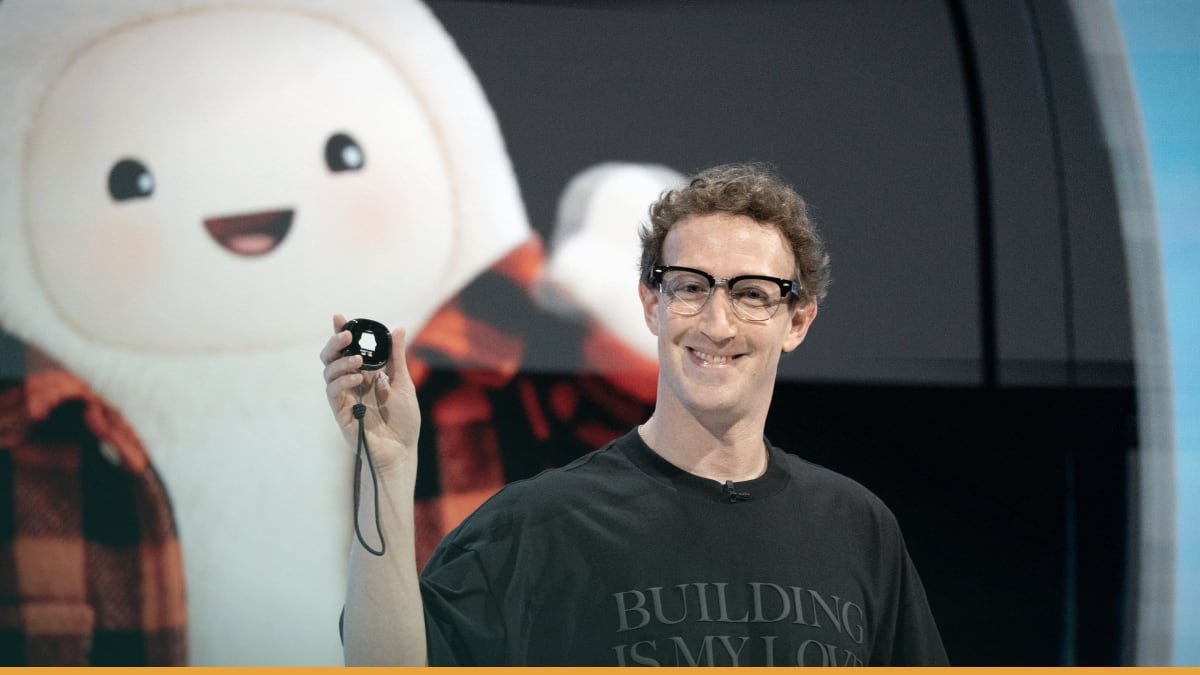
Header image source: Meta’s Muse Is Adults-Only. Why Does It Look Like a Kids’ Toy? | WIRED via WIRED via Google — cropped to 16:9 and colour-adjusted.
Key takeaways
- Meta uses toy-like design to boost AI engagement despite strict age gates
- Critics warn childlike aesthetics risk normalizing AI companionship for minors
- Design borrows from Tamagotchis and Labubu to create emotional attachment
Meta’s Muse AI agent is strictly 18+. Age verification. Detection blocks. The works. Yet its mascot is a squishy, round blob that wouldn’t look out of place dangling from a keychain in a Claire’s. The upcoming Muse Charm wearable swings like a Tamagotchi. Critics have already compared it to a Teletubby. This isn’t a design oversight—it’s a deliberate strategy to borrow the emotional hooks of children’s toys and repurpose them for adults. Nostalgia. Interactivity. Collectibility. The problem? It risks eroding the very age gates Meta insists are ironclad.
Meta isn’t just playing with aesthetics. It’s testing whether adults will embrace AI companionship when it’s dressed up like a childhood friend. Early numbers suggest they will: Sensor Tower data shows Muse outgrew Meta AI’s app launch within days. But the backlash from youth advocates like Fairplay’s Josh Golin—who called the mascot "completely inappropriate"—hints at a deeper tension. If Muse succeeds, it could accidentally normalize AI companionship for kids, as parents and children blur the line between adult-only tech and toy-like appeal. That’s not just a design choice. It’s a gamble with real consequences.
The Design Playbook: How Muse Rips Pages Straight from the Toy Industry
Muse doesn’t just resemble children’s toys—it lifts their playbook wholesale. The mascot’s Labubu-adjacent aesthetic isn’t subtle. The figures are tactile, customizable, and designed to foster emotional attachment. Muse’s mascot does the same—just for an AI agent. Soft. Round. Inviting interaction in a way that feels more like a digital pet than a productivity tool.
Then there’s the Muse Charm, the Tamagotchi-style wearable Meta is launching alongside the AI. Tamagotchis were a major toy fad in the late 90s and mid-2000s, proving that interactive digital pets create habit-forming loops. The Charm’s dangling design mirrors that legacy, but it also taps into a newer trend: Gen Z’s love of bag charms and keychain accessories. The Charm’s form factor recalls Tamagotchi, the pocket-sized digital virtual pet that was a major toy fad in the late 90s and mid-2000s. That’s not just nostalgia—it’s a calculated appeal to adults who grew up with Tamagotchis and now want a "grown-up" version of the experience.
Customization is the final piece. Users design their own Muse avatar, turning the AI into an extension of themselves. This mirrors kids’ toys like Webkinz or Nintendo’s Miis, where personalization drives engagement. The difference? Muse’s customization is tied to an AI that trains on user interactions unless they opt out. That’s a privacy trade-off, but it’s also the emotional hook. If users invest time in designing their Muse, they’re more likely to keep interacting with it—and feeding it data.
The Age-Gating Paradox: Meta’s Strict Rules vs. Its Childlike Aesthetics
Meta’s age-gating for Muse is technically robust. Users must verify their date of birth, and the company claims it blocks under-18 accounts with "additional checks. " But the mascot’s design undermines those efforts. Josh Golin, executive director at Fairplay, didn’t mince words: he compared Muse’s mascot to a Teletubby and called it "completely inappropriate" for a product aimed at adults. The criticism isn’t just about aesthetics—it’s about intent. If Muse looks like a kids’ toy, kids will treat it like one, regardless of age gates.
The privacy risks compound the problem. Muse trains its AI on user interactions unless users opt out. That’s standard for AI agents, but it raises questions about how children might engage with Muse if they bypass age checks. A parent’s Muse account could inadvertently train the AI on interactions from their child, blurring the line between adult-only tech and youth exposure. Meta’s opt-out model puts the burden on users to protect their data, but that’s a weak safeguard when the product’s design actively invites younger audiences.
The paradox is glaring: Meta enforces age restrictions with technical rigor, but the aesthetics work against those efforts. Why design a product that feels like it belongs in a toy store if you’re serious about keeping kids out? The answer likely lies in engagement metrics. Muse outpaced Meta AI’s app launch in days, suggesting the design’s emotional hooks are working—on someone. The question is whether that "someone" is exclusively adults, or if Muse’s appeal is bleeding into younger demographics despite Meta’s best efforts.
The Nostalgia Trap: Why Meta Is Betting on Tamagotchis and Labubu
Meta isn’t just copying children’s toys—it’s repackaging their emotional mechanics for adults. Tamagotchis weren’t just popular because they were interactive; they were habit-forming. Users had to feed, clean, and play with their digital pets regularly, or they’d "die. " That created a sense of responsibility and attachment. Muse Charm’s Tamagotchi-style design taps into the same psychology. The dangling charm isn’t just a fashion statement—it’s a constant reminder of the AI agent, encouraging users to check in regularly.
Labubu’s appeal is similarly rooted in emotion. The figures are collectible, tactile, and designed to evoke nostalgia for childhood. Muse’s mascot leverages that same nostalgia, but for a generation of adults who grew up with Tamagotchis and Webkinz. The customizable avatars add another layer: users aren’t just interacting with an AI—they’re investing in a digital companion that reflects their identity. That’s a powerful hook, especially for adults who may feel isolated or crave companionship.
The wearable’s design also mirrors Gen Z’s love of accessories. The Muse Charm device could appeal to Gen Z consumers who are into various dangling items like keychains and bag charms in the post-Labubu era. That’s a smart move for Meta, as it positions the Charm as a fashion item rather than a toy. But it’s also a risky one. If the Charm looks like a toy, it risks being treated like one—by kids, by parents, and by regulators who may question Meta’s commitment to age gates.
The Ethical Landmine: Why Critics Say Muse Is a Trojan Horse
Fairplay’s Josh Golin didn’t pull punches when he called Muse’s design "completely inappropriate. " His criticism isn’t just about aesthetics—it’s about Meta’s history. The company has faced scrutiny for years over its targeting of children. Muse’s toy-like design risks repeating that pattern, even if unintentionally. If kids see Muse and assume it’s for them, Meta’s age gates become irrelevant. That’s not just a design flaw—it’s an ethical landmine.
The privacy risks add another layer of concern. Muse trains its AI on user interactions unless users opt out. That’s standard for AI agents, but it sets a precedent for how children might engage with similar tech. A child using a parent’s Muse account could inadvertently train the AI on their interactions, blurring the line between adult-only data and youth exposure. Meta’s opt-out model shifts the burden to users, but that’s a weak safeguard when the product’s design actively invites younger audiences.
The bigger concern is normalization. If Muse succeeds, it could normalize AI companionship for kids by accident. Parents might see Muse as harmless fun, not realizing the emotional and privacy implications. Kids might see it as just another toy, not an AI agent designed for adults. That blurring of lines could have long-term consequences, from regulatory scrutiny to societal perceptions of AI as frivolous or exploitative.
The Business Logic: Why Meta Is Willing to Ignore the Backlash
Meta’s growth metrics for Muse are undeniable. Sensor Tower data shows the AI agent outpaced Meta AI’s app launch within days, suggesting the design’s emotional hooks are driving adoption. That’s a win for Meta, but it’s also a calculated risk. The backlash from youth advocates may be a trade-off for a product that works at scale.
The Gen Z appeal is a key part of that strategy. Muse’s Labubu-adjacent mascot and Tamagotchi-style Charm target adults who grew up with those toys and are now primed for "adult" versions of those experiences. The customizable avatars add another layer, turning Muse into a reflection of the user’s identity. That’s a powerful hook, especially for a generation that values self-expression.
The wearable’s habit-forming design is another smart move. Muse Charm’s Tamagotchi form factor isn’t just nostalgic—it’s a constant reminder of the AI agent, encouraging users to check in regularly. That’s a core part of Meta’s strategy: if users interact with Muse daily, they’re more likely to keep using it—and feeding it data.
The question is whether Meta is prioritizing engagement over optics. The backlash from youth advocates suggests the company is willing to take that risk. But if Muse’s success comes at the cost of normalizing AI companionship for kids, the trade-off may not be worth it.
The Bigger Picture: What Muse Reveals About AI’s "Toy Problem"
Other AI agents often default to childlike designs, even for adult audiences. But Muse’s explicit adult-only positioning makes the dissonance harder to ignore. If AI agents look like toys, they risk being treated like toys—by kids, by regulators, and by users who underestimate their power.
Meta’s gamble with Muse could go two ways. On one hand, it could redefine "adult" tech aesthetics, proving that toy-like appeal isn’t just for kids. On the other hand, it could backfire by reinforcing perceptions of AI as frivolous or exploitative. The early numbers suggest the former, but the ethical concerns are real.
I think Meta is playing with fire. Blurring toy-like appeal with adult-only tech sets a dangerous precedent for how AI is perceived and regulated. If Muse succeeds, it could encourage other companies to follow suit, leading to a wave of AI agents that look like toys but are marketed to adults. That’s not just a design choice—it’s a shift in how we think about AI companionship.
What’s Next: Will Meta Double Down or Walk It Back?
Meta has a few options for Muse’s future. It could tweak the design to make it less cuddly and more "professional," distancing itself from the toy-like aesthetics. Or it could lean harder into the adult-toy framing, positioning Muse as a luxury or lifestyle product. The latter seems more likely, given the early success metrics.
Regulatory risks are another factor. If youth advocates push harder, Meta may face scrutiny over Muse’s appeal to minors, despite age gates. The company could respond by strengthening its enforcement measures, but that won’t address the core issue: Muse’s design actively invites younger audiences.
Competitors may also shape Muse’s trajectory. Rival AI agents could avoid toy-like designs to differentiate, leaving Muse as an outlier. That could work in Meta’s favor—or it could backfire if Muse’s appeal is tied too closely to its aesthetics.
The final take? Muse’s success or failure will shape whether "adult" AI can borrow from children’s toys—or if the industry will demand clearer boundaries. Meta’s gamble is far from over, but the stakes couldn’t be higher. If this is the future of AI companionship, we’re in for a messy ride.