Tag: venture capital

  • **Does General Innovation Capital Partners Fund I LP Actually Exist? The Evidence Behind the $350M Raise**

    **Does General Innovation Capital Partners Fund I LP Actually Exist? The Evidence Behind the $350M Raise**

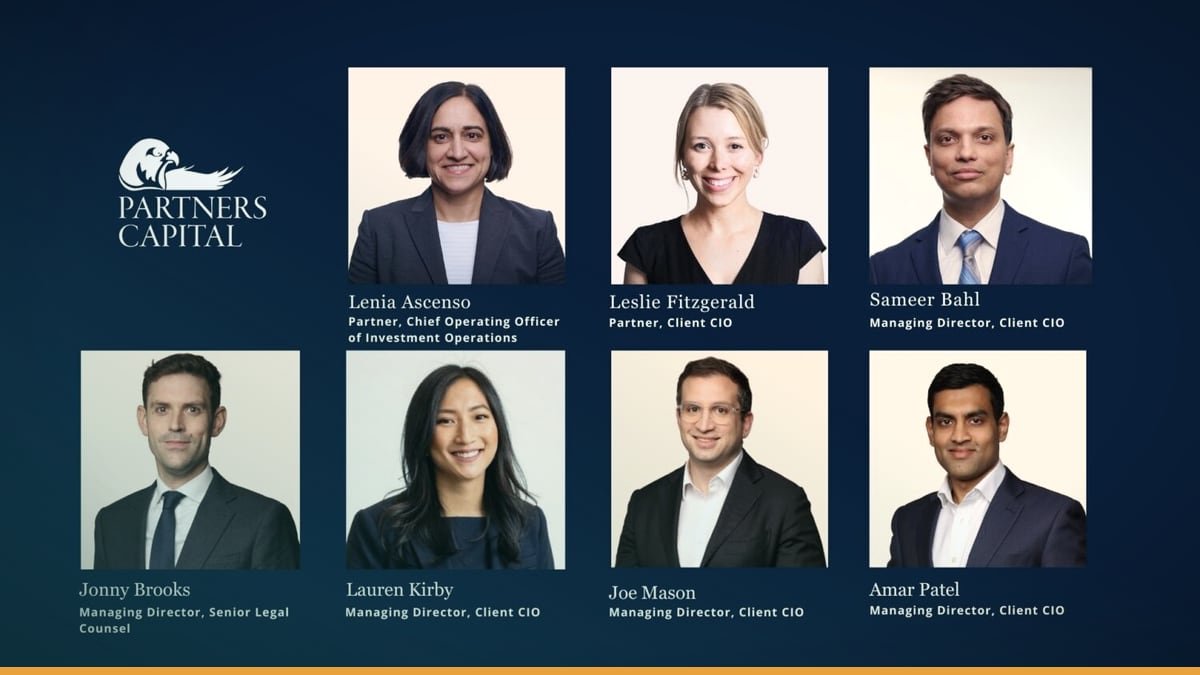
    Header image source: Partners Capital Announces the Promotion of Two Partners and Five Managing Directors – Partners Capital via Partners Capital via Google — cropped to 16:9 and colour-adjusted.

    Key takeaways

    • $350M Fund I LP confirmed via SEC Form D and AUM13F
    • Miami domicile and NY manager create operational opacity
    • Zero public portfolio or LP announcements for a $350M fund

    General Innovation Capital Partners Fund I LP closed $350 million in January 2025. The money is real. The SEC filings confirm it. But if you’re an LP trying to figure out what this fund actually is, prepare for a masterclass in frustration. The numbers add up. Everything else doesn’t.

    The fund hit $350 million out of a $500 million target on January 16, 2025, per AUM13F. General Innovation Capital LLC, the manager, reports $345 million in assets under management as of December 31, 2025, via Radient Analytics. That’s a $5 million discrepancy over six weeks. Not huge. Not nothing either. For most VC funds, AUM and fund size match almost perfectly. Here, the mismatch suggests either a reporting lag, a narrow LP base where capital isn’t fully consolidated, or a pooled structure with assets parked elsewhere. None of these are dealbreakers. All of them are unusual.


    The Structure: Legally Valid, Operationally a Black Box

    The fund is registered as a private equity vehicle in Miami, Florida, operating as a "pooled investment fund" under its SEC Form D filing. Standard for VC funds—comingled capital from multiple LPs. But here’s where it gets weird: General Innovation Capital Partners Fund I GP, LLC appears on only one public capital-raising filing, according to Global Deal Flow. One. For a $350 million fund, that’s minimalist bordering on secretive.

    Most VC funds file multiple updates as they raise, even if they’re not publicly traded. The lack of additional filings points to one of three possibilities:

    1. A single, large anchor LP—effectively a private placement.
    2. A closed LP group—no new capital accepted, no need for disclosures.
    3. A regulatory workaround—using exemptions to avoid ongoing reporting.

    Then there’s the Miami registration. PitchBook lists the fund’s manager, General Innovation Capital LLC, as New York-based. Why domicile the fund in Florida? Possible reasons:

    • Tax optimization—Florida has no state income tax, which can appeal to certain LP structures.
    • Regulatory arbitrage—Florida’s private fund rules may offer more flexibility than New York’s.
    • Administrative shell—the fund entity could be a legal formality, with real operations happening in NYC.

    None of these are illegal. None are typical for a fund raising hundreds of millions. The separation feels deliberate. And not in a way that invites trust.


    The Manager’s AUM: Why Does It Almost Match the Fund Size?

    General Innovation Capital LLC reports $345 million in AUM as of December 31, 2025. Nearly identical to the $350 million raised by Fund I LP. This suggests two scenarios:

    1. Fund I LP is the manager’s sole vehicle—all AUM is tied up in this single fund.
    2. The manager’s AUM is underreported—perhaps due to a pooled structure where assets aren’t consolidated.

    The firm describes itself as providing "discretionary advisory services to private investment funds" (Radient Analytics). That phrasing is often used by multi-manager platforms or fund-of-funds—firms that allocate capital to sub-advisors rather than investing directly. If that’s the case here, it raises questions about who’s actually deploying the capital. Is General Innovation Capital making direct investments? Or is it acting as a gatekeeper for other managers?

    The website offers more clues. Or rather, more ambiguity. It describes the focus as "growth equity firm investing in advanced technology companies driving western resilience at inflection points of growth. " That’s not just vague. It’s deliberately so. "Western resilience" could mean:

    • Defense tech—companies supporting NATO or critical infrastructure.
    • Dual-use technologies—AI, semiconductors, or biotech with both commercial and military applications.
    • Supply chain security—logistics, energy, or communications tech that reduces Western dependence on adversarial nations.

    The lack of specificity isn’t necessarily a red flag. Many funds keep their theses broad to capture opportunistic deals. But it’s unusual for a fund of this size to have zero public portfolio companies, LP announcements, or performance metrics. Most VC funds, even niche ones, have some footprint. This one doesn’t.


    The Public Footprint: Why Is There Almost Nothing?

    General Innovation Capital Partners Fund I LP has virtually no public presence. Here’s what we know:

    • PitchBook lists the fund’s location as New York, NY.
    • StartupIntros describes the firm as a "growth equity firm investing in advanced technology companies at critical inflection points"—a near-identical repeat of the website’s language.
    • 13F.info confirms the SEC Form D filing for a pooled investment fund in Miami.
    • Global Deal Flow shows the GP on one capital-raising filing.

    That’s it. No LP announcements. No portfolio updates. No team bios. No press releases. For a $350 million fund, this is extraordinary. Even first-time funds usually have some public footprint—an anchor LP announcement, a portfolio company press release, or a LinkedIn profile for the GP.

    Possible explanations:

    1. The fund is pre-deployment—it closed in January 2025, so investments may not have been made yet.
    2. The portfolio is non-public—classified investments, stealth startups, or sensitive sectors (e.g., defense, intelligence).
    3. The fund is a feeder vehicle—capital is being allocated to another entity, with General Innovation Capital acting as a pass-through.
    4. The fund is a first-time vehicle with no track record—LPs are testing the manager before committing publicly.

    The first two explanations make sense given the "western resilience" thesis. The latter two are more concerning. Without knowing who’s invested or what’s been deployed, it’s impossible to assess the fund’s legitimacy or strategy.


    The $500 Million Target: Why Stop at $350 Million?

    The fund raised $350 million out of a $500 million target. That’s a 70% completion rate. Not terrible. Not oversubscribed either. Possible reasons for the shortfall:

    • Market conditions—2025’s fundraising environment may have been tougher than anticipated.
    • Anchor LP pullback—a large investor may have reduced its commitment.
    • Strategic pause—the GP may have decided $350 million was sufficient for the initial deployment.

    The lack of public commentary on the raise makes it impossible to know which scenario applies. Most VC funds that fall short of their target offer some explanation—market timing, LP feedback, or strategic adjustments. Here, there’s nothing. Silence.

    The $150 million gap isn’t catastrophic. But it’s material. For a fund with no public track record, hitting only 70% of the target could signal skepticism from LPs about the strategy or the manager. Or it could mean the fund is intentionally small and selective. Without more information, it’s impossible to tell.


    The "Western Resilience" Thesis: What Does It Actually Mean?

    General Innovation Capital’s website describes its focus as "advanced technology companies driving western resilience at inflection points of growth. " That’s not a thesis. It’s a word salad. Let’s break down what it could mean in practice:

    1. Defense and national security—companies supporting NATO allies, critical supply chains, or cybersecurity. Think startups selling to the Pentagon, Five Eyes agencies, or defense primes.
    2. Dual-use technologies—AI, semiconductors, biotech, or space tech with both commercial and military applications. The CHIPS Act and recent NATO tech investments fit this theme.
    3. Infrastructure resilience—energy, logistics, or communications tech that reduces Western dependence on adversarial nations. Think rare earth mineral processing, secure cloud infrastructure, or resilient power grids.

    The vagueness could be intentional. If the fund is targeting sensitive sectors (e.g., defense, intelligence), public disclosures could be limited for security reasons. Or the thesis could be deliberately flexible to capture opportunistic deals. But without seeing the portfolio, it’s impossible to know.

    Compare this to peers:

    • Andreessen Horowitz (a16z) has a broad tech mandate but discloses its portfolio and investment theses publicly.
    • Shield Capital and Embedded Ventures are defense-focused but explicit about their national security angle.
    • Palantir’s venture arm invests in dual-use tech but provides some visibility into its strategy.

    General Innovation Capital’s opacity isn’t illegal. But it’s unusual. For LPs, this means the fund’s thesis is either:

    • A feature—flexibility to pivot into high-conviction opportunities.
    • A bug—lack of focus, leading to subpar returns.

    Without more information, it’s a coin toss.


    The LP Question: Who Is Actually Invested?

    No public LPs have been disclosed. That’s not just a problem. It’s a dealbreaker for most institutional investors. Most VC funds, even first-time ones, announce at least one anchor LP to build credibility. The lack of disclosures suggests one of the following:

    1. Sovereign wealth funds or government-linked entities—investors who can’t be named for security reasons.
    2. Family offices or high-net-worth individuals—private LPs who prefer anonymity.
    3. Corporate investors—defense contractors or tech giants seeding strategic bets (e.g., Lockheed Martin, Google).
    4. Endowments or foundations—institutional LPs testing the manager before committing publicly.

    The first explanation is plausible given the "western resilience" thesis. If the fund is targeting classified or sensitive sectors, some LPs (e.g., intelligence agencies, sovereign wealth funds) may not be able to disclose their involvement. The other explanations are less reassuring. Family offices and corporate investors usually don’t require this level of secrecy. Endowments typically demand transparency before committing.

    The biggest red flag? No LP announcements at all. Even first-time funds usually secure at least one public LP to signal legitimacy. The absence here suggests either:

    • The fund is a closed vehicle for a select group of LPs.
    • The GP has no track record and couldn’t attract public LPs.
    • The strategy is too niche or risky for institutional investors.

    For new LPs, this is a non-starter. Without knowing who’s already in the fund, it’s impossible to gauge its credibility, alignment, or market fit.


    The Counterargument: Why This Fund Might Be Legitimate (and Worth Watching)

    Despite the opacity, there are reasons to take this fund seriously:

    1. The $350 million raise is confirmed by multiple sources—AUM13F, Radient Analytics, and SEC filings. The capital is real.
    2. The manager’s AUM nearly matches the fund size—$345 million vs. $350 million, suggesting Fund I LP is the primary (or sole) vehicle.
    3. The thesis aligns with macro trends—"western resilience" is a growing theme, especially with geopolitical tensions rising.
    4. January 2025’s raise coincides with a period of growth equity activity.

    If the fund is pre-deployment, it may be well-positioned to capitalize on distressed assets or emerging opportunities. The lack of public information could be intentional—protecting sensitive investments or avoiding signaling to rivals.

    But here’s the catch: legitimacy doesn’t equal accessibility. The fund may be real. But it’s not open to most LPs. The opacity suggests it’s either:

    • A bespoke vehicle for a closed group of sophisticated investors (e.g., government-linked LPs).
    • A fund with something to hide (poor performance, regulatory risks, or an unproven team).

    Should LPs Consider This Fund?

    Technically, yes. Fund I LP exists. It has $350 million in capital. The SEC filings confirm it. The AUM matches the raise. The thesis aligns with market trends. But for most LPs, this fund is a non-starter. Here’s why:

    1. Access: If you’re not already in the fund, getting in may be difficult. There’s no public marketing, no LP disclosures, and no clear path to investment.
    2. Transparency: The near-total absence of public information is a major risk. Without knowing the LPs, portfolio, or performance, due diligence is nearly impossible.
    3. Strategy: The "western resilience" thesis is intriguing but too vague to evaluate. Is this defense tech? Dual-use AI? Critical infrastructure? Without seeing the portfolio, it’s a black box.
    4. Manager Track Record: There’s no public proof of prior success. This appears to be a first-time fund, which means LPs are betting on the GP’s ability to execute without a verifiable history.
    5. Regulatory Oddities: The Miami registration, single SEC filing, and mismatched AUM suggest a bespoke structure—possibly for a closed group of LPs. This isn’t a fund designed for broad market participation.

    For institutional LPs, the lack of transparency alone is disqualifying. For family offices or high-net-worth individuals with insider knowledge, it might be worth a look. But even then, the opacity makes it a risky bet.

    The most likely scenario? This is a specialized vehicle for a select group of LPs—government-linked entities, sovereign wealth funds, or defense contractors—who don’t need (or want) public visibility. For everyone else, the fund exists. But it might as well not.

    The open question isn’t whether General Innovation Capital Partners Fund I LP raised $350 million. It did. The question is: why does it feel like a ghost?


  • **General Innovation Capital Partners (GICP): What the Evidence Shows**

    **General Innovation Capital Partners (GICP): What the Evidence Shows**

    Header image source: General Innovation Capital Partners via generalinnovation.com via Google — cropped to 16:9 and colour-adjusted.

    Key takeaways

    • GICP seeks $25-100M checks for quantum and advanced comms with no portfolio or team disclosed
    • Fund I remains unfinished raise with $150M still to collect as of Dec 2025
    • Competes with Quantum Wave Fund, Playground Global, and Lux Capital without track record

    General Innovation Capital Partners wants $25–100 million checks for quantum computing and advanced communications. Right now, it’s a Miami-based firm with $345 million in assets under management and a $150 million Fund I that’s still raising. No portfolio. No disclosed LPs. No proof it can execute.

    That’s the story. Here’s the reality: GICP is betting everything on a thesis that’s compelling but untested. Quantum and advanced comms matter—DARPA’s pouring billions into both, the CHIPS Act exists because supply chains broke, and NATO’s treating tech sovereignty like a national security priority. But GICP isn’t just competing with the future. It’s competing with firms that have already written those checks, closed those exits, and built those brands. And right now, it’s losing.


    Fund Structure: A Work in Progress That Looks Like a Red Flag

    $150 million target. $150 million still to raise as of December 2025. That’s not a fund—it’s a fundraising campaign that hasn’t closed. Most growth equity firms start deploying capital well before they hit their target, especially in sectors where startups burn cash faster than a Falcon 9 rocket. Quantum computing? Advanced communications? These aren’t SaaS companies sitting on AWS credits. They’re hardware plays with multi-year timelines and nine-figure burn rates.

    The structure’s designed for institutions or ultra-high-net-worth investors: $2.5 million minimum. That’s steep. Lux Capital started with $1 million minimums. DCVC dropped theirs to $500,000 to attract a broader base. GICP’s high bar suggests it’s chasing family offices, sovereign wealth funds, or defense-adjacent LPs—yet there’s no public record of who’s actually committed.

    $150 million is a small fund for growth equity. Playground Global closed its first at $300 million. Quantum Wave Fund raised over $500 million. GICP’s size doesn’t just limit its ability to lead rounds—it limits its ability to compete at all.


    Investment Thesis: A Geopolitical Bet with Real Constraints

    GICP’s pitch is straightforward: invest in quantum, advanced communications, and other tech that strengthens Western technological leadership. No portfolio companies disclosed, but the target sectors are clear.

    Quantum computing—likely commercial-stage startups like PsiQuantum, Rigetti, or IonQ. Advanced communications—probably 5G/6G infrastructure, satellite networks, or secure comms for defense. And then there’s that vague but telling phrase: other advanced technology sectors. That’s code for AI hardware, semiconductors, dual-use tech like Anduril or Shield AI.

    The growth equity stage—$25–100 million checks—makes sense. Late-stage deep tech is less risky than seed bets but still offers significant upside if the technology scales. The “Western resilience” angle? That’s the interesting part. It’s not just a thesis. It’s a geopolitical bet. The CHIPS Act, DARPA’s quantum initiatives, export controls on semiconductor equipment—these aren’t policy footnotes. They’re the foundation of a world where Western-aligned tech is a strategic asset. GICP is positioning itself as the capital partner for that shift.

    But this focus creates real risks. Limited deal flow: many cutting-edge quantum and comms startups are global—Riverlane in the UK, Xanadu in Canada. GICP’s framing may exclude them. Regulatory hurdles: export controls on quantum, semiconductors, AI could complicate exits or follow-on funding. Defense dependency: if GICP leans into dual-use tech, it’s looking at long sales cycles, classified contracts, CFIUS reviews.


    Competitive Landscape: Why GICP Struggles to Stand Out

    GICP isn’t the only firm chasing deep-tech growth equity. The space is crowded, and GICP’s lack of track record makes differentiation nearly impossible.

    Quantum-specific funds? Quantum Wave Fund raised over $500 million and backed PsiQuantum, Rigetti, IonQ. Playground Global closed at $800 million, invested in PsiQuantum, Varda Space, Anduril. Samsung Catalyst Fund’s in quantum sensing and cryptography. GICP’s disadvantage? No disclosed quantum investments. Quantum Wave and Playground have already backed the most promising startups, leaving GICP to fight for scraps or bet on dark horses.

    Generalist deep-tech growth equity? Lux Capital manages over $1.5 billion, backed Anduril, Shield AI, Recursion Pharmaceuticals. DCVC’s over $1 billion, invested in PsiQuantum, Relativity Space, synthetic biology. Eclipse Ventures has $3 billion focused on industrial tech and hardware. GICP’s disadvantage? No portfolio, no exits, no brand recognition. Lux and DCVC have high-profile wins—Anduril’s $8.5 billion valuation—while GICP’s still raising Fund I.

    Defense and dual-use tech? Andreessen Horowitz’s American Dynamism fund has over $1 billion, backed Anduril, Shield AI, Palantir. Shield Capital raised $500 million focused on defense tech and AI. 8VC manages over $2 billion, invested in Anduril, Palantir, space startups. GICP’s disadvantage? No defense track record. Andreessen and Shield Capital have direct ties to the Pentagon and intelligence community. GICP’s team remains a mystery.

    GICP’s only clear advantages? Miami’s lower taxes, growing tech scene, proximity to Latin American markets. Discretionary advisory services that could attract family offices or niche institutional investors. But these aren’t enough to overcome the lack of track record, small fund size, unfinished raise.


    LP Risks: Why Investors Should Be Wary

    GICP’s Fund I is a high-risk proposition. Here’s why.

    Fund I is still raising capital. $150 million remaining to raise means GICP’s deployed little to no capital. Slow LP uptake suggests skepticism from institutional investors. The $2.5 million minimum excludes smaller institutions and high-net-worth individuals, limiting the LP base.

    No performance data. No IRR, MOIC, or portfolio exits disclosed. No track record in public filings or press releases. No proof the team can source, diligence, or scale deep-tech companies.

    Sector concentration risk. Quantum computing is still pre-revenue. Most quantum startups are years away from commercialization—and many may never get there. Advanced communications is crowded—Sequoia, Bessemer, Lightspeed are already active in 5G, 6G, satellite networks. “Western resilience” could limit deal flow. If GICP avoids China, India, or other non-aligned markets, it may miss out on global innovation.

    Geopolitical exposure. Export controls—U.S. CHIPS Act restrictions—could complicate exits or follow-on funding. Defense contracts often come with long sales cycles and classified restrictions. CFIUS reviews could block strategic acquisitions by foreign buyers.


    Team and Leadership: The Biggest Unknown

    Here’s the most concerning part: there’s no public information about who’s running GICP.

    No executive team listed on the website, Crunchbase, or filings. The registered agent is CT Corporation System—a common service for private funds, but no named partners. No visible track record. Unlike Lux’s Josh Wolfe or DCVC’s Peter Hébert, GICP’s team is invisible.

    This isn’t just a transparency issue. It’s a governance risk. Who’s making investment decisions? Do they have experience in quantum, advanced communications, defense tech? Are they former operators, investors, government officials?

    Possible explanations: Solo GP or small team—many early-stage funds start this way, but it’s high-risk for LPs. Stealth mode—maybe the team has classified backgrounds (DARPA, NSA, DoD), but if so, why not disclose it? First-time fund—if this is the team’s first institutional fund, LPs have no way to assess their ability to scale.


    Deal Flow and Sourcing: Can GICP Compete?

    GICP’s biggest challenge is getting access to the best deals. Growth equity in deep tech is winner-takes-most. The top firms—Lux, DCVC, Playground—have proprietary networks, scout programs, repeat founders.

    Potential sourcing advantages: Miami’s growing tech scene—proximity to eMerge Americas, Blackstone’s tech push, Latin American investors. Defense/dual-use networks—if the team has DARPA, DoD, or intelligence community ties, they could source classified or export-controlled deals. “Western resilience” narrative—could attract patriotic LPs or defense contractors looking to align with U.S. tech sovereignty.

    Sourcing risks: No evidence of proprietary deal flow. Unlike Sequoia’s scout program or Andreessen’s founder network, GICP hasn’t disclosed any unique sourcing channels. Late-stage growth equity is competitive—GICP will compete with private equity firms, strategics like Cisco or IBM, crossover funds like Tiger Global. Small fund size limits influence—$25–100 million checks are meaningful, but Lux and DCVC can write $200 million-plus checks, giving them more leverage in competitive rounds.


    Exit Strategy: How Will GICP Return Capital?

    GICP’s exit strategy is the biggest unknown. Deep tech investments often have long hold periods—10-plus years. Quantum computing is still years away from widespread commercialization.

    Potential exit paths: Strategic acquisitions—IBM, Google, defense primes like Lockheed or Raytheon could buy quantum or advanced comms startups. Public listings—unlikely near-term, given quantum’s pre-revenue stage and market volatility. Secondary sales—larger PE firms or sovereign wealth funds could buy stakes from GICP.

    Exit risks: Liquidity crunch—if Fund I hasn’t deployed capital by 2027–2028, LPs may demand distributions. No follow-on funds—if LPs are dissatisfied with performance, GICP may struggle to raise Fund II. Regulatory hurdles—CFIUS reviews or export controls could block exits.


    Verdict: Is GICP a Smart Bet for LPs?

    GICP is a high-risk, high-reward bet. It could pay off if the team executes flawlessly, but it could also struggle to differentiate itself in a crowded market.

    The bull case: Early mover in quantum and advanced comms—if GICP backs the next PsiQuantum or Anduril, returns could be outsized. Miami’s tax advantages—could attract Latin American or U.S. high-net-worth capital. “Western resilience” narrative—appeals to patriotic or defense-focused LPs.

    The bear case: No track record, no team visibility, no portfolio—effectively a blind pool. Fund I still raising capital—suggests LP skepticism. Small fund size—$150 million limits ability to lead rounds or compete with larger firms.

    Who should invest? Deep-tech specialists willing to bet on quantum’s long-term potential. Defense or dual-use LPs aligned with the “Western resilience” thesis. Miami-based investors seeking local exposure.

    Who should avoid? Risk-averse institutions—no performance data, high sector risk. Generalist LPs—better options exist in AI, biotech, fintech. Retail investors—$2.5 million minimum excludes most individuals.


    The Real Question

    GICP isn’t just a fund. It’s a test. Can a new player break into deep-tech growth equity without a track record, without a visible team, without a closed fund? The thesis is strong—quantum matters, advanced communications matter, Western tech sovereignty matters. But theses don’t write checks. Teams do.

    Right now, GICP’s team is a black box. And in venture capital, black boxes don’t return capital. They lose it.

    So here’s the question LPs need to answer: Is “Western resilience” a compelling enough narrative to bet on a firm that hasn’t proven it can execute? Because right now, the only resilience GICP’s demonstrating is its ability to keep fundraising while saying almost nothing.


  • Who Are General Partners in VC?: Roles, Risks, and Realities

    Who Are General Partners in VC?: Roles, Risks, and Realities

    Header image: Nordhaus, Raines, adjutants general visit National Guard Baltic partners (9734229).jpg) by U.S. Army National Guard photo by Master Sgt. Zach Sheely, Public domain, via Wikimedia Commons — cropped to 16:9 and colour-adjusted.

    Key takeaways

    • GPs carry unlimited personal liability for fund debts and legal issues
    • They make final investment decisions and manage LP relations
    • Becoming a GP requires either founding a firm or climbing the partner ladder

    General partners in venture capital sign the checks. They also sign the legal documents that put their personal assets on the line if the fund implodes. They make the final call on deals, shape the fund’s terms, and answer to institutional investors when returns disappoint. Unlike limited partners, who write checks and step back, or venture partners, who advise but don’t vote, GPs say “yes” or “no” to every investment. They structure the fund’s economics. They carry unlimited liability. If VC firms feel like black boxes, it’s because GPs control the capital, the narrative, and the risk.

    That’s the straightforward answer. The reality is messier. The GP title carries weight, but it also comes with power imbalances, deal attribution battles, and relentless pressure to deliver returns—not excuses—to pension funds and insurers.


    The Legal and Financial Stakes: Why Unlimited Liability Isn’t Just Fine Print

    Most founders—and even some junior VCs—miss this: GPs are personally on the hook for the fund’s debts and legal troubles. If a portfolio company gets sued for IP infringement and the fund’s insurance doesn’t cover it, the GP’s personal assets could be at risk. This isn’t hypothetical. It’s baked into the legal structure of every VC fund.

    Limited partners—pension funds, endowments, insurers—love this setup. Their liability is capped at their investment. If the fund loses money, they lose only what they put in. GPs, by contrast, face unlimited liability. That’s why you’ll rarely see a GP without deep pockets, a robust legal team, or both.

    This asymmetry shapes everything. It influences how GPs structure deals, favoring safer terms like liquidation preferences. It affects how they report to LPs—transparency has limits when personal risk is involved. It even dictates how they exit investments—a quick sale might look better than a high-risk, high-reward IPO. The legal exposure isn’t a footnote. It’s the foundation of the GP’s decision-making.


    The GP’s Day-to-Day: More Than Just Taking Meetings

    The job description involves managing the fund. In practice, it means juggling half a dozen roles, often in the same day.

    Fund Creation and Structure

    Before a single dollar is invested, GPs dive into legal documents. They negotiate the fund’s terms—management fees, carried interest, and key-person clauses. They draft the limited partnership agreement (LPA), which dictates everything from investment strategy to LP reporting requirements. This isn’t glamorous work, but it’s critical. A poorly drafted LPA can lead to disputes with LPs, regulatory headaches, or even lawsuits.

    Deal Flow and Investment Decisions

    GPs are the final gatekeepers for investments, but they don’t work alone. Junior team members source deals, conduct due diligence, and present opportunities. The GP’s job is to pressure-test the thesis: Is this founder credible? Does the market timing make sense? Can this company realistically return the fund? They negotiate terms—valuation, board seats, protective provisions—and often take a board seat themselves.

    This is where the “hands-on” part kicks in. Unlike venture partners, who might drop by for quarterly updates, GPs are often deeply involved in strategic decisions. They help hire executives, pivot business models, and raise follow-on funding. GPs at top firms often spend significant time embedded with portfolio companies during crises.

    Fund Operations and LP Management

    GPs don’t just invest. They manage the fund’s operations. That includes:

    • Cash flow management: Ensuring the fund has enough capital to deploy and meet commitments.
    • LP reporting: Providing quarterly updates on portfolio performance, fund health, and material risks.
    • Compliance: Navigating regulatory requirements—SEC filings in the U.S., AIFMD in Europe.
    • Fundraising: Raising the next fund, typically 18–24 months after the current one closes.

    This last part—fundraising—is where GPs earn their reputation. Institutional LPs—pension funds, endowments—don’t just hand over capital. They demand proof of past performance, a clear investment thesis, and alignment of interests. A GP who can’t raise the next fund is a GP who’s out of a job.


    The Power Dynamic: GPs vs. Everyone Else

    The GP role doesn’t exist in a vacuum. It’s part of a hierarchy, and the dynamics within a VC firm can be as fraught as those between the firm and its portfolio companies.

    Venture Partners: The Advisors Without Skin in the Game

    Venture partners are the “strategic advisors” of VC. They might have a track record—ex-founders, ex-operators—or deep expertise in a sector like AI or biotech. But they don’t have voting rights on investments. They don’t carry liability. And they don’t always have a formal role in the firm’s operations.

    This creates tension. A venture partner might bring in a deal, only to see a GP take credit. Or they might push for an investment, only to be overruled without explanation. The lack of accountability cuts both ways: venture partners can offer valuable insights, but they’re also expendable. If they don’t deliver, the firm can quietly move on.

    Junior Team Members: The Grinders Without Credit

    The most contentious dynamic in VC is between GPs and the junior team members who do the legwork. Associates and principals source deals, conduct due diligence, and build financial models—but they rarely get credit for the investments that succeed.

    Some industry observers have been vocal about this. *, he writes:

    This isn’t just a morale issue. It’s structural. GPs control the narrative with LPs, the media, and the broader ecosystem. Junior team members are left to prove themselves elsewhere if they want to advance. The result? High turnover at the associate and principal levels, as ambitious investors jump to other firms or start their own funds.


    Raising Capital: The GP’s Real Job

    At the end of the day, a GP’s most important job isn’t picking winners. It’s convincing LPs to trust them with their money. And the LPs who matter most aren’t wealthy individuals or family offices. They’re institutional investors: pension funds (CalPERS, CPP Investments), insurers (Prudential, Allianz), endowments (Harvard, Yale), and sovereign wealth funds (Singapore’s Temasek, Norway’s NBIM).

    These LPs don’t just write checks. They demand:

    • Transparency: Detailed reporting on fund performance, fees, and risks.
    • Alignment: Management fees that don’t incentivize reckless behavior.
    • Co-investment rights: The ability to invest directly in portfolio companies alongside the fund.
    • ESG mandates: Proof that the fund isn’t investing in fossil fuels or controversial tech.

    GPs must balance these demands with their own investment strategy. A pension fund might want steady returns, but VC is inherently risky. An endowment might push for ESG compliance, but the best deals might not fit the criteria. The tension is constant: GPs need LP capital to deploy, but they also need the freedom to take bets LPs might not fully understand.


    How Do You Become a GP? (Spoiler: It’s Hard)

    There’s no single path to becoming a GP, but two tracks dominate.

    The Founder Track

    Many GPs are ex-founders who’ve built and sold companies. Their value isn’t just in their capital—it’s in their network, operational experience, and credibility with other founders. Examples:

    • Marc Andreessen (Netscape → a16z)
    • Ben Horowitz (Opsware → a16z)
    • Peter Thiel (PayPal → Founders Fund)

    These GPs often start their own firms, leveraging their track record to attract LPs. The advantage? They can raise capital quickly. The downside? They’re unproven as investors. Founding a company is hard. Picking winners is harder.

    The Senior Firm Track

    The more common path is rising through the ranks at an established firm. Associates become principals, principals become partners, and—if they’re lucky—partners become GPs. This path is slower, more political, and far less certain.

    The catch? GP roles are rare. Most VCs never reach this level. The industry is top-heavy: a few prominent firms control a disproportionate share of capital. Even at smaller firms, the GP title is often reserved for the founding partners. Everyone else is a “partner” or “principal”—titles that sound impressive but don’t carry the same authority or liability.


    The Criticism: GPs and the Deal Attribution Problem

    The most persistent criticism of GPs isn’t about their investment decisions. It’s about who gets credit for them. As Jason Lemkin puts it:

    “The GP didn’t source the deal.

    This isn’t just about ego. It’s about incentives. If junior team members know they won’t get credit for deals they source, why should they go the extra mile? Why should they stick around if they’re doing the work but not reaping the rewards?

    Some firms have tried to address this. Some firms have programs that reward individuals who bring in deals. Some firms offer profit-sharing arrangements to junior team members. But these are exceptions. The default is still: the GP’s name goes on the deal, and the GP’s bank account gets the carry.


    GPs in the Broader Ecosystem: Private Equity vs. Venture Capital

    The GP role isn’t unique to VC. Private equity funds also have GPs, and the legal and operational responsibilities are nearly identical. Both:

    • Carry unlimited liability.
    • Raise capital from institutional LPs.
    • Deploy that capital into companies.
    • Take board seats and influence strategy.

    The key difference is the stage of the companies they invest in. VC GPs target early-stage startups—pre-revenue, pre-profit, often pre-product. PE GPs target mature companies—established revenue, predictable cash flows, and a clear path to exit.

    This difference shapes everything:

    • Risk profile: VC is higher risk, higher reward. PE is lower risk, lower reward—but still lucrative.
    • Time horizon: VC funds typically have 10-year lives. PE funds often hold companies for 3–7 years.
    • Operational involvement: VC GPs are more hands-on with product and hiring. PE GPs focus on financial engineering, cost-cutting, and bolt-on acquisitions.

    But the legal structure is the same. Whether investing in a Series A startup or a leveraged buyout of a manufacturing company, the GP is the one on the hook.


    The Future of the GP Role: Will the Model Hold?

    The traditional GP model is under pressure. LPs demand more transparency, more alignment, and more co-investment rights. Founders push back against terms they see as unfair—liquidation preferences, board control. Junior team members are increasingly vocal about the lack of credit and career progression.

    Some firms are experimenting with new structures:

    • GP committees: Distributing decision-making authority among a group of partners, rather than concentrating it in a single GP.
    • Flat hierarchies: Firms like First Round Capital have eschewed traditional titles, opting for a more egalitarian approach.
    • Evergreen funds: Instead of raising discrete funds every few years, some firms adopt open-ended structures—Berkshire Hathaway is the extreme example.

    But these are outliers. Most VC funds still operate under the traditional GP-LP model. The question isn’t whether the GP role will change. It’s whether the changes will come from within the industry or be forced by external pressures. Will LPs demand more transparency? Will founders reject terms that favor GPs over them? Will junior team members unionize?

    The GP role isn’t going away. It’s too deeply embedded in the legal and financial structure of venture capital. But the power dynamics, the incentives, and the expectations are all in flux. The next decade will determine whether GPs remain the undisputed kings of VC—or whether the model evolves into something more collaborative, more transparent, and less hierarchical. The only certainty? The tension between control and credit, between risk and reward, isn’t going anywhere.


  • **How Does a General Partner Get Paid? The Evidence Behind Private Equity and VC Compensation**

    **How Does a General Partner Get Paid? The Evidence Behind Private Equity and VC Compensation**

    Header image source: What is a General Partnership? via Sul Lee Law Firm via Google — cropped to 16:9 and colour-adjusted.

    Key takeaways

    • GPs earn via management fees (percentage of committed capital) and carried interest (share of profits after LPs are repaid)
    • Hurdle rates and clawbacks protect LPs from premature or excessive carry payouts
    • LP negotiating power shapes fee structures, especially for top-tier funds with strong track records

    General partners get paid in two ways: management fees and carried interest. Straightforward, but not simple. The first is a percentage of committed capital, paid annually. The second is a share of profits—after limited partners get their money back. That’s the standard model. It’s everywhere. Top-tier firms use it. Funds across the industry use it. It’s the industry’s default because it works: predictable cash flow for the GP, skin in the game for returns.

    Management fees are paid regardless of fund performance. No carry. If the fund performs well, the GP receives a share of the profits. That’s the deal.


    Management Fees: The Engine That Keeps the Lights On

    Management fees are the salary of private equity and venture capital. A percentage of committed capital, paid annually. But the number isn’t fixed. Early-stage VC funds often charge higher percentages—the amount varies based on fund size and operational needs. Larger funds with substantial assets under management can negotiate lower percentages. The dollar amount still covers overhead.

    These fees aren’t profit. They’re operational budget. Management fees cover operational costs including salaries, office expenses, travel, and professional services. The money flows from limited partners, typically on a periodic basis. LPs don’t love writing these checks. They’re pure expense. But they accept them because without the fee, the GP can’t function.

    The fee is also a signal. A fund that reduces its management fee significantly may signal different priorities to LPs. That spooks LPs. Many funds maintain standard fee structures even when adjustments might be possible.


    Carried Interest: The Performance Bonus That Can Make or Break a GP’s Net Worth

    Carried interest represents a significant portion of GP compensation when funds perform well. It’s a share of the fund’s profits—but only after LPs get their capital back. That’s the profit split. But it’s not that simple. Many funds include a hurdle rate. Until LPs receive their capital back plus that 8% return, the GP gets nothing.

    Here’s how it works. Consider a hypothetical fund. After some time, the portfolio appreciates. The initial capital is returned to LPs. The hurdle rate return also goes to LPs. Only then does the GP start collecting carry. The remaining profits are split between LPs and the GP. That amount represents carried interest. It’s taxed as long-term capital gains, which typically has a lower rate than ordinary income.

    That tax treatment is why carried interest is politically contentious. Some critics argue it provides favorable treatment. Some defend the tax treatment by arguing carry is an investment return rather than compensation.

    Carry isn’t paid in a lump sum. It’s distributed as portfolio companies achieve liquidity events. When a fund sells a company, the GP may receive a share of the profit if the fund has met its hurdle requirements. If not, the GP gets nothing, and LPs keep the whole payout.

    This creates a perverse incentive. The timing of carry distributions can influence GP decision-making regarding exits. That’s why some funds add clawback provisions. Clawback provisions require GPs to return excess carry if overall fund performance doesn’t justify it.


    The Catch: Clawbacks and Hurdle Rates

    Clawbacks and hurdle rates keep general partners from getting too greedy. A hurdle rate ensures LPs earn a minimum return before the GP receives carry. Without a hurdle rate, a fund could pay carry even when LPs haven’t achieved satisfactory returns.

    Clawbacks are the safety net for LPs. Consider a scenario where a fund exits an investment profitably and pays carry to the GP. If the remaining portfolio underperforms and the fund’s overall returns are insufficient. The GP would owe money back to LPs because the early carry exceeded what was justified by overall fund performance.

    Most funds include both hurdles and clawbacks, but enforcement is messy. Clawback calculations can be complex. Tax considerations can affect clawback amounts.8 million back, not $6 million. That’s a material difference. Some LPs prefer clawback structures that account for tax implications differently. Clawbacks are intended to protect LPs from overpayment of carry, but the exact terms are negotiated fund by fund.


    How GPs Actually Spend Their Time (And What It Means for Compensation)

    General partners don’t spend their days hunched over spreadsheets. Their time is split between three activities: fundraising, LP relations, and media appearances.

    Fundraising is critical. Management fees are a percentage of committed capital. Every extra dollar raised directly increases the GP’s fee income. Additional capital raised increases the GP’s fee income proportionally. These fees support the fund’s operations and compensation.

    LP relations come next. GPs maintain relationships with existing LPs through various communications. Happy LPs re-up in the next fund. Unhappy LPs pull their capital. That can kill a fund before it starts investing.

    The third activity is media and thought leadership. High-profile GPs use visibility to attract deal flow. Visibility can contribute to fund performance and terms.

    Board seats are a formality. GPs take them, but they’re rarely hands-on. Junior partners or principals typically handle the day-to-day operational aspects. The GP’s role is strategic rather than operational. That’s why GPs can manage multiple boards simultaneously. They’re allocators, not operators.


    The GP-LP Power Dynamic: Who Really Controls Compensation?

    Limited partners have more leverage than most people realise. The standard structure is common but not immutable. Large institutional investors negotiate fee structures, hurdle rates, and clawback terms. Some large institutional investors demand favorable terms. Top-tier firms with strong track records can command better terms.

    Industry data shows most funds maintain standard fee and carry structures. The exceptions prove the rule. Seed-stage funds often charge higher fees because their asset base is smaller. Hedge funds often use different fee structures that reflect their operational needs. Some evergreen funds don’t charge carry. They take equity stakes instead. That works for certain structures but wouldn’t scale to large private equity funds.

    The power dynamic shifts with fund performance. A first-time GP raising a smaller fund has limited leverage. They’ll take whatever terms LPs offer. A GP with a successful track record can negotiate better terms. That’s why the industry is reputation-driven. Past performance is the only currency that matters.


    Alternative Models: When the 2-and-20 Rule Doesn’t Apply

    The standard model dominates, but it’s not universal. Seed-stage funds often charge higher fees because their asset base is smaller. Micro-funds may need higher fees to cover operational costs. Hedge funds often use different fee structures that reflect their operational needs.

    Evergreen funds operate without carry entirely. Some evergreen funds don’t charge management fees or carry. It takes equity stakes instead. That works for certain structures but wouldn’t scale to large private equity funds. The equity stakes would be too small to generate meaningful returns.

    Some funds experiment with fee adjustments based on performance. If a fund generates carry, the GP might adjust future fees accordingly. That aligns incentives further, but it’s rare. It complicates cash flow.

    The most radical alternative is the “no-fee” model. The GP takes no management fees and relies entirely on carry. Common in angel investing, but almost unheard of in institutional funds. It leaves the GP with no income until exits start rolling in—sometimes years after the fund is raised.


    The Big Picture: Why This Compensation Model Dominates

    The standard model persists because it works. Management fees provide stable income to run the fund. Carried interest aligns the GP’s interests with the fund’s performance. If the fund loses money, the GP still collects fees but walks away with zero carry. If the fund performs well, the GP receives a share of the profits.

    The criticisms are valid. High fees eat into LP returns. The tax treatment of carried interest remains politically contentious. Some funds experiment with performance-based adjustments to fee structures. But these tweaks are marginal. The core model isn’t going anywhere.

    The real question isn’t whether the standard model will survive. It’s whether the next generation of GPs can justify the fees in a world where LPs demand more transparency, lower costs, and better alignment. The answer will determine who gets paid, and how much.


  • **What Is Innovation Capital? Four Distinct Meanings, One Unifying Idea**

    **What Is Innovation Capital? Four Distinct Meanings, One Unifying Idea**

    Header image source: Innovation Capital | Innovator’s DNA via Innovator’s DNA via Google — cropped to 16:9 and colour-adjusted.

    Key takeaways

    • Innovation Capital has four distinct meanings: VC fund, boutique bank, consultancy, and strategic asset
    • Reputation, networks and persuasion form the core of intangible innovation capital
    • Building innovation capital requires long-term investment in R&D, relationships and storytelling

    Innovation Capital is a €21.1 million Bulgarian VC fund. It’s also a boutique investment bank specialising in mid-market gaming and retail deals. And it’s an intangible asset—like political capital—that helps leaders rally support for new ideas.

    These aren’t competing definitions. They’re different applications of the same principle: turning ideas into commercial value. The first three are institutions. The fourth is a strategic asset. One is concrete. The other is slippery, hard to measure, and often misunderstood.


    Innovation Capital as a Boutique Investment Bank: The Power of Niche

    Innovation Capital’s website calls itself “a leading boutique investment bank dedicated to representing mid-market clients in the gaming, leisure, restaurant and retail industries.” That’s not just specialisation. That’s obsession.

    No bulge-bracket bank operates this narrowly. Jefferies covers gaming, sure. But it doesn’t only cover gaming. Innovation Capital does. That’s the whole point.

    Boutique banks thrive where deep domain knowledge beats balance-sheet size. A mid-market restaurant chain isn’t just another asset. It’s a business with perishable inventory, franchise agreements, and margins thinner than a chef’s knife. A banker who understands those nuances can structure deals generalists would miss. Earn-outs tied to same-store sales growth. Contingent payments based on franchise renewal rates.

    The problem? The brief gives no numbers. No deal volume. No client names. No transaction types—M&A, capital raises, recapitalisations. Without those, it’s impossible to know if Innovation Capital is actually innovating in deal structuring or just branding itself as such. Boutique banks love to talk about “creative solutions.” But creativity in finance means nothing without execution. If they’re not disclosing performance metrics—IRR, exit multiples, time-to-close—then the innovation label is just marketing.


    Innovation Capital as a Healthcare Consultancy: Scaling Human and Social Capital

    Innovation Capital LLC’s mission: “build human and social capital for innovation at scale.” That’s a mouthful. Let’s unpack it.

    Human capital means skills, training, talent development. Social capital means networks—partnerships, alliances, collaborations. In healthcare, both are critical. A hospital system rolling out AI diagnostics doesn’t just need the tech. It needs radiologists trained to use it, IT teams to integrate it, regulators convinced it’s safe. Innovation Capital LLC focuses on the people and relationships side of the equation, not the tech itself.

    This aligns with trends in healthcare innovation. Digital health startups fail more often from poor go-to-market than bad tech. A wearable that tracks glucose levels is useless if no one trusts it enough to prescribe it. Value-based care models require alignment between insurers, providers, and patients—something that’s more about social capital than financial capital.

    But again, the brief offers no specifics. No methodologies. No client names. No measurable outcomes. Did they help a client secure FDA approval? Train 500 clinicians? Broker a partnership between pharma and digital therapeutics? Without those details, the claim of “scaling human and social capital” is abstract to the point of meaninglessness.


    Innovation Capital as a Bulgarian VC Fund: Early-Stage Equity in a Growing Ecosystem

    Innovation Capital’s Bulgarian fund is €21.1 million. It’s in its “post-investment stage.” That means no new deals—just managing the existing portfolio. The fund provides “equity and quasi-equity funding” to Bulgarian startups. Quasi-equity typically means convertible notes or revenue-sharing agreements—common in early-stage investing where valuations are uncertain.

    Bulgaria’s startup ecosystem is small but growing. In 2022, Bulgarian startups raised over €100 million in VC funding. That’s a fraction of Berlin or Tel Aviv, but it’s progress. A €21.1 million fund is meaningful here. For comparison, LAUNCHub Ventures, one of Bulgaria’s most prominent VC firms, raised a €70 million fund in 2021. Innovation Capital’s fund is about a third of that size, but it’s still a player.

    The “post-investment stage” is telling. Most VC funds spend 5–7 years deploying capital and the next 5–7 years managing exits. If Innovation Capital is already in post-investment mode, it suggests either an accelerated investment period or a focus on value-add activities—governance, follow-on funding, exit support. But the brief doesn’t say. What’s the portfolio composition? SaaS, biotech, hardware? What’s the stage—pre-seed, seed, Series A? And crucially, what’s the performance? MOIC (multiple on invested capital) is the gold standard for VC returns. Without it, we don’t know if this fund is a success or a cautionary tale.


    Innovation Capital as an Intangible Resource: The Strategic Definition That Matters

    Here’s where things get interesting. Innovation Capital isn’t just a bank, a consultancy, or a VC fund. It’s also an intangible asset—a resource leaders leverage to secure support for novel ideas. Forbes describes it as “an intangible capital, like political capital, that helps you win resources to commercialize novel ideas.” Arthur Lawrence frames it as “an assemblage of multiple development-promoting factors that encourages organizations to achieve innovative results.”

    This is the most compelling definition. It mirrors financial capital in structure but operates through reputation, networks, and persuasion. Financial capital is deployed via equity, debt, and grants. Innovation capital is deployed via pitches, alliances, and storytelling.

    How Innovation Capital Works

    1. Reputation: Track record matters. A founder who’s successfully exited a startup before will raise money more easily than a first-timer. Elon Musk’s reputation for shipping audacious projects—PayPal, Tesla, SpaceX—gives him innovation capital that a lesser-known entrepreneur lacks.
    1. Networks: Access to investors, partners, and talent is critical. A biotech founder with connections to top-tier VCs and pharma executives can secure funding and partnerships faster than someone without those relationships.
    1. Persuasion: The ability to frame ideas as inevitable is a superpower. Steve Jobs’ reality distortion field wasn’t magic—it was the ability to make people believe in a vision before it existed. That’s innovation capital in action.

    Evidence from the Real World

    Forbes cites leaders like Jeff Bezos and Reed Hastings as exemplars of high innovation capital. Leaders with high innovation capital can convince investors to back long-term growth despite years of losses. It was about reputation and storytelling ability. Similarly, major business pivots aren’t just tech shifts—they’re narrative shifts that require massive innovation capital to pull off.

    Arthur Lawrence’s framing is more organisational. They argue that innovation capital is built through long-term investments in R&D, talent development, and culture. A "Day 1" mentality isn’t just a slogan—it’s a cultural investment that signals commitment to innovation. That commitment is a form of innovation capital.


    Innovation Capital vs. Financial Capital: What’s the Difference?

    Financial capital is tangible. It’s cash in the bank, assets on the balance sheet, equity in a startup. It’s deployed via structured instruments—term sheets, loan agreements, stock options—and its returns are measured in IRR, ROI, and multiples.

    Innovation capital is intangible. It’s reputation, relationships, and the ability to persuade. It’s deployed via pitches, alliances, and narratives. Its returns are measured in support secured—funding, partnerships, regulatory approval, talent recruited.

    The Startup Paradox

    A startup with $1 million in cash (financial capital) but no innovation capital may struggle to raise more. Investors don’t just bet on ideas—they bet on people. A founder with high innovation capital—a serial entrepreneur with a track record of exits—can raise $10 million with no product, no revenue, and no customers. The cash is the same, but the innovation capital makes the difference.

    This isn’t theoretical. Data from PitchBook shows that repeat founders raise 2–3x more capital than first-time founders, even when controlling for sector and stage. That’s innovation capital at work.


    The Role of Venture Capital in Innovation Capital

    Venture capital is often seen as the fuel for innovation, but it’s more accurate to say that VC is a source of financial capital for innovation. Innovation capital precedes VC funding. A founder’s reputation, network, and ability to tell a compelling story are what attract VC in the first place.

    ScienceDirect’s research on VC and innovation highlights this dynamic. VC is critical for scaling innovations, but the innovations that attract VC are often those that already have some form of innovation capital behind them. A biotech startup with a Nobel laureate on its advisory board will raise money more easily than one without. A SaaS founder who’s previously built and sold a company will get better terms than a first-timer.

    This has implications for the Bulgarian VC fund. If Innovation Capital’s portfolio companies are struggling, it might not be a financial capital problem—it might be an innovation capital problem. Maybe the founders lack the reputation or networks to attract follow-on funding. Maybe their pitches aren’t compelling enough. The fund’s post-investment focus on value-add activities—governance, exits—suggests they’re aware of this, but without data, it’s impossible to know how effective they’re being.


    How Organisations Build Innovation Capital

    Building innovation capital isn’t like raising a funding round. There’s no term sheet, no cap table. It’s a long-term investment in reputation, networks, and storytelling.

    Invest in R&D

    Companies that consistently invest in R&D signal commitment to innovation. A "Day 1" culture isn’t just a slogan—it’s backed by significant R&D investment. That investment builds innovation capital by demonstrating long-term commitment.

    Cultivate Networks

    Partnerships with universities, accelerators, and industry groups are critical. Google’s relationships with Stanford and MIT aren’t just about hiring—they’re about access to cutting-edge research and talent. Startups that participate in accelerators like Y Combinator or Techstars gain access to a network of investors, mentors, and alumni. That network is a form of innovation capital.

    Develop Storytelling

    The ability to frame ideas as inevitable is a superpower. Tesla’s “master plan” wasn’t just a product roadmap—it was a narrative that convinced investors, customers, and regulators that electric vehicles were the future. Airbnb’s pivot from air mattresses to a global hospitality brand required a compelling story about belonging and community. That story was a form of innovation capital.

    Leverage Past Successes

    Early wins build credibility. A startup that lands a marquee customer can use that as proof of traction. A founder who’s previously built and sold a company can point to that track record as evidence of their ability to execute. These past successes are forms of innovation capital that make future successes more likely.

    Challenges in Building Innovation Capital

    The biggest challenge? It’s hard to measure. There’s no balance-sheet line item for innovation capital. It’s intangible, qualitative, and often subjective. That makes it difficult to manage. How do you know if your innovation capital is increasing? Is it the number of patents filed? The strength of your network? The quality of your pitches?

    Another challenge is time. Innovation capital isn’t built overnight. It takes years to develop a reputation, cultivate a network, and refine a narrative. That’s why serial entrepreneurs have an advantage—they’ve already done the work.


    The Future of Innovation Capital: Open Questions

    Innovation capital is a powerful concept, but it’s still poorly understood. Here are the big unanswered questions.

    Can Innovation Capital Be Systematically Developed?

    Some leaders seem to have an innate ability to build innovation capital—think Elon Musk or Steve Jobs. But is that ability teachable? Can organisations systematically develop innovation capital, or is it a trait that some have and others don’t?

    Forbes and Arthur Lawrence suggest it’s a learnable skill. They argue that leaders can build innovation capital through deliberate investments in reputation, networks, and storytelling. But there’s no playbook. No standardized course on innovation capital. And without quantitative data, it’s hard to know what works and what doesn’t.

    How Does AI Change Innovation Capital?

    AI is already changing how ideas are pitched, funded, and commercialised. Can large language models help founders craft better pitches? Can AI-generated personas simulate investor reactions? Could AI tools audit a founder’s innovation capital?

    The potential is enormous, but the risks are too. AI-generated pitches might lack authenticity. AI-curated networks might feel transactional. And if everyone uses the same AI tools, will innovation capital become commoditised?

    What’s the ROI of Innovation Capital?

    Financial capital has clear metrics—IRR, ROI, multiples. Innovation capital doesn’t. How do you measure the return on a reputation? How do you quantify the value of a network? Without answers to these questions, innovation capital will remain a fuzzy concept, more art than science.

    How Does Innovation Capital Vary by Industry?

    Is innovation capital more critical in biotech than in SaaS? In hardware than in software? In regulated industries than in unregulated ones? The brief doesn’t say. But intuition suggests that industries with longer development cycles—biotech, aerospace—might require more innovation capital than those with shorter cycles—SaaS, e-commerce.

    Can Innovation Capital Be Audited?

    Imagine a tool that scores a founder’s innovation capital—like a credit score, but for their ability to commercialise ideas. Here’s how to improve.” That tool doesn’t exist yet, but it’s not far-fetched. If innovation capital is a strategic asset, then it should be auditable.


    The Big Question

    Here’s the most interesting one: If innovation capital is so critical, why isn’t it more widely discussed?

    Financial capital is taught in every business school. There are entire industries built around raising, deploying, and managing it. Innovation capital? It’s mentioned in passing in Forbes articles and consulting white papers, but it’s not a core part of the curriculum. That’s a missed opportunity.

    The answer might lie in its intangibility. Financial capital is concrete—you can touch it, measure it, deploy it. Innovation capital is slippery. It’s reputation, networks, persuasion. It’s hard to quantify, hard to teach, and hard to scale.

    But that doesn’t make it any less real. In fact, its intangibility might be its superpower. Because while financial capital is table stakes, innovation capital is what separates the disruptors from the also-rans.

    So what is innovation capital? It’s the difference between an idea that stays on a whiteboard and one that changes the world. And right now, we’re only beginning to understand how it works.