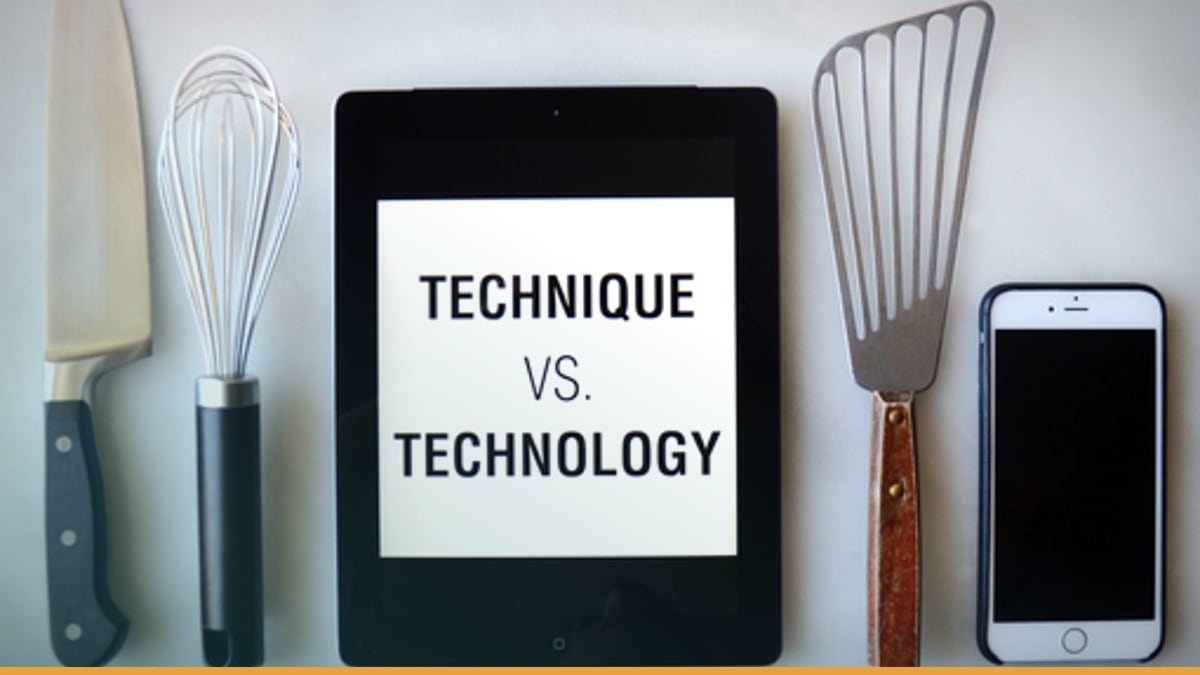
Header image source: Technology Vs Technique. The term “Technology” comes from the… | by Neha Chechi | Medium via Medium via Google — cropped to 16:9 and colour-adjusted.
Key takeaways
- Technology enables new techniques but requires human skill to deploy effectively
- Integration of tech and technique avoids up to 80% rework in construction
- Real estate lags in tech adoption but gains come from aligned workflows
Technology vs. technique? The debate isn’t new. But the numbers don’t lie—technology integration can avoid up to 80% rework and reduce construction time by up to 25%. The answer wasn’t choosing one over the other. It was recognizing they’re inseparable. Ignore one, and the other collapses.
This isn’t abstract. Technology is just hardware without the human skill to deploy it. Technique hits hard limits without technology’s scalability. The future belongs to those who stop seeing them as competing philosophies and start treating them as a single system.
Where Technology Ends and Technique Begins
Technology isn’t just gadgets. It’s a system—tools, principles, collaboration across fields. Technology involves complex systems, scientific knowledge, and industrial application. That’s the what: technology tools and systems.
Technique is the how. Individual. Procedural. Human. A surgeon’s hand movements. A construction crew’s workflow. The method of tagging materials with RFID. Techniques have existed universally across human history, while "technology" as a distinct category is modern. Before industrialization, craftsmanship and agriculture thrived without the label. Now, they’re intertwined.
The overlap is where progress happens. Technology enables new techniques—AI-assisted design. Techniques determine how effectively technology is used—interpreting BIM data. Technology is the principle behind the gadget; technique is the method of implementing it. One without the other is either a tool gathering dust or a skill hitting a ceiling.
Why Techniques Came First—and Why That Matters
For most of human history, "technology" didn’t exist as a category. Techniques did. Blacksmiths honed their craft. Farmers developed irrigation. Builders refined construction methods. Modernity formalized tools into a distinct sphere, driven by industrialization and scientific revolutions.
This explains why sectors like construction lagged in tech adoption. Their techniques were already "good enough. " Masonry, timber framing, bricklaying—these evolved over millennia without RFID or BIM. But as projects grew larger and more complex, the limits of technique alone became clear. Construction techniques innovated incrementally, but integrated tech—visualization tools, management systems—were slow to catch on. The ROI wasn’t obvious until scale demanded it.
Techniques don’t become obsolete. They adapt. The best masons today still rely on age-old methods, but drones survey sites, BIM models guide layouts, and RFID tracks materials. The tools changed. The techniques evolved with them.
The Efficiency Paradox: Why Technology Alone Is Useless
Here’s the hard truth: technology is only as good as the techniques that deploy it. Technology integration can avoid up to 80% rework and reduce construction time by up to 25%, but these gains don’t come from tech alone. They came from integration—visualization tools paired with skilled modeling workflows, construction management systems combined with adapted coordination techniques.
Take RFID tracking. On paper, it eliminates paper-based inefficiencies, reduces cost overruns, and streamlines material access. In practice? It’s useless unless site teams adopt standardized tagging methods, update inventory protocols, and integrate the data into their workflows. "RFID technology integration helps track materials… in paperless ways, reducing cost and time overruns. " But the key word is integration. The tech doesn’t replace the technique. It amplifies it.
The same applies to BIM. A 3D model is just a pretty picture unless architects, engineers, and contractors align their techniques—collaborative review processes, clash detection workflows, data-sharing protocols. Without those, BIM is just another file sitting on a server. The efficiency gains come from the marriage of tech and technique.
Why Real Estate Is Playing Catch-Up
The construction industry currently allocates less than 1.5% of total revenue to technology. That’s projected to rise to at least 5% short-term and around 10% medium-term. Why the lag? It’s not resistance. It’s misaligned incentives. For centuries, techniques were sufficient. Why fix what isn’t broken?
The turning point came when scale and complexity outpaced human techniques alone. Smart home standards like Z-Wave and ZigBee now allow buyers to control systems via apps, but only if installation techniques follow digital-first protocols. Digital handover tools—cloud-based manuals, warranty tracking—reduce post-construction headaches, but only if builders adopt standardized data-entry techniques.
This represents a perfect communion. But that communion doesn’t happen organically. It requires deliberate alignment—training crews on new tools, redesigning workflows around digital collaboration, measuring ROI not just in dollars saved but in rework avoided. The gap isn’t technological. It’s procedural.
How Technology Rewrites What’s Possible
Technology doesn’t just optimize existing techniques. It redefines them. The most exciting advances bridge gaps between disciplines. Smart home apps let buyers control lighting, security, and HVAC post-handover. But that only works if installation techniques align with digital standards—Z-Wave/ZigBee compatibility, network segmentation, user-friendly interfaces.
This is where technology’s multidisciplinary nature shines. AI-assisted design tools generate structural layouts, but engineers still need techniques to validate them against real-world constraints. Drones survey sites faster than human crews, but surveyors must interpret the data and integrate it into BIM models. The tech enables cross-disciplinary techniques that would’ve been impossible a decade ago.
Technology involves art, industry, benefit, scientific knowledge, and method. Technique is the specialized procedure within a field. The magic happens when they intersect. Data science informs construction methods. IoT sensors optimize building maintenance. AI predicts material failures. All enabled by tech. All executed through refined techniques.
Why Humans Still Outperform Pure Automation
Automation gets the hype. Technique delivers the results. RFID tracks materials, but human techniques determine how efficiently they’re deployed. BIM models clash-detect automatically, but engineers must interpret the conflicts and propose solutions. Even in tech-heavy sectors, mastery of technique separates leaders from laggards.
Consider surgical robots. They enhance precision, but the surgeon’s technique—hand-eye coordination, decision-making under pressure—still determines outcomes. The same applies to construction. AI generates design options, but architects and engineers select the best one based on aesthetics, structural integrity, and cost. Technique isn’t being replaced. It’s being augmented.
Some techniques are being automated. AI-driven design tools generate floor plans based on zoning laws and client briefs. But even here, human oversight is critical. The tool suggests a layout. An architect’s technique—understanding spatial flow, material constraints, client psychology—refines it into something usable.
The implication is clear: the future isn’t tech or technique. It’s tech-enabled technique. The winners will treat automation as a force multiplier, not a replacement.
Real Estate’s Blueprint for Integration
Real estate is the poster child for why technology and technique must evolve together. Technology integration can avoid up to 80% rework and reduce construction time by up to 25%, and these gains don’t come from a single breakthrough. They came from integrated adoption:
- Visualization tools (BIM): Reduced errors, but only when teams adopted collaborative modeling techniques.
- Construction management systems: Cut delays, but required procedural changes in coordination and reporting.
- RFID tracking: Eliminated paper-based inefficiencies, but demanded standardized tagging methods.
- Smart home standards (Z-Wave/ZigBee): Enabled app-based control, but only if installation techniques followed digital protocols.
Each technology solved a specific problem. Their full potential was unlocked by complementary techniques. RFID doesn’t just track materials. It requires site teams to scan tags consistently and update inventory in real time. BIM doesn’t just create 3D models. It demands cross-disciplinary review processes to catch clashes before they become costly mistakes.
"Technology integration happening at all levels. " But integration is the key word. The sector’s gains stem from marrying tech’s scalability with technique’s precision. Neither alone would’ve delivered the same results.
The Next Frontier: Pushing the Convergence Further
The future isn’t about choosing technology or technique. It’s about pushing their convergence further. AI-assisted techniques will guide construction methods. Predictive modeling will inform design decisions. Automation will handle repetitive tasks while humans focus on high-value technique.
But risks loom. Over-reliance on tech without refining techniques leads to brittle systems. AI-generated designs might ignore practical constraints. Automated workflows might miss edge cases. The antidote? Treating technology and technique as equal partners.
The opportunity is massive. Drones will survey sites faster, but engineers will interpret the data. AI will generate design options, but architects will refine them. RFID will track materials, but site teams will optimize their deployment. The winners will see technology as a toolkit and technique as the craftsmanship to wield it.
The open question isn’t whether technology or technique will dominate. It’s how quickly sectors will realize they’re two sides of the same coin—and start investing in both. Because the sectors that figure this out first won’t just build faster. They’ll build smarter.
Sources
- The Difference Between Technology and Technique
- Technique vs Technology
- Understanding Technique vs. Technology | PDF | Knowledge
- What is the difference between "technique" and "technology"
- (PDF) The Differences between Technique and Technology
- Technology Vs Technique – by Neha Chechi
- The perfect communion: A marriage of technology and technique, way forward for the RE sector