
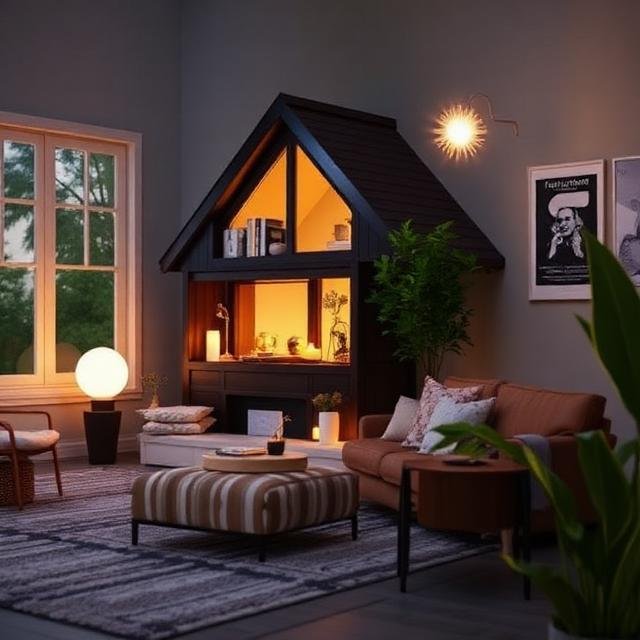
Let’s be honest—energy bills aren’t getting cheaper. Every month, you open that statement and wonder, “How did it get this high?” The good news? Technology is finally on your side. Energy-saving smart home technologies are changing the way we live, helping homeowners cut costs while reducing their environmental footprint.
This isn’t just about convenience anymore. It’s about efficiency, sustainability, and smarter living. From intelligent thermostats to automated lighting systems, modern smart homes can dramatically lower energy consumption without sacrificing comfort.
So if you’re curious about how to make your home greener and your bills smaller, you’re in the right place.
⚡ What Are Energy-Saving Smart Home Technologies?
Energy-saving smart home technologies are connected devices designed to monitor, manage, and reduce energy usage automatically. They use sensors, Wi-Fi connectivity, artificial intelligence, and automation to optimize how and when energy is used in your home.
Instead of running appliances blindly, these systems:
- Adjust temperature based on occupancy
- Turn off lights when no one’s in the room
- Optimize appliance usage during off-peak hours
- Track real-time electricity consumption
Think of it like giving your home a brain. Instead of guessing, it learns your habits and makes smarter decisions for you.
🌡️ Smart Thermostats: The Energy-Saving Powerhouse
If there’s one device that makes a noticeable difference, it’s the smart thermostat.
Traditional thermostats require manual adjustments. Smart thermostats, on the other hand, learn your routine. They automatically lower heating or cooling when you’re away and adjust before you return.
Why They Save Energy
- Automatically reduce heating/cooling during sleep or absence
- Remote control through smartphone apps
- Usage reports to track energy trends
- Integration with weather forecasts
Heating and cooling account for a major portion of household energy use. Even a small temperature adjustment can lead to significant savings over time. It’s like cruise control for your home’s climate—steady, efficient, and optimized.
💡 Smart Lighting Systems
Ever left the lights on all day? You’re not alone.
Smart lighting eliminates that problem entirely.
Key Features
- Motion detection
- Scheduled on/off times
- Dimming capabilities
- Remote access
LED smart bulbs already use less power than traditional bulbs. Combine that with automation, and you’re cutting energy waste dramatically.
For example, hallway lights can turn on only when motion is detected and automatically switch off after a few minutes. No reminders needed. No wasted electricity.
🔌 Smart Plugs and Smart Power Strips
Many devices continue drawing power even when turned off. This is called “phantom load” or standby power.
Smart plugs solve this quietly but effectively.
You can:
- Schedule devices to turn off at night
- Cut power to unused electronics
- Monitor individual device energy usage
Imagine your entertainment system automatically shutting down at midnight. It’s a small change, but over months and years, it adds up.
🏠 Smart Appliances
Modern refrigerators, washing machines, and dishwashers now come with smart features that optimize energy usage.
What Makes Them Efficient?
- Off-peak scheduling
- Eco modes
- Remote monitoring
- Usage tracking
For example, you can set your dishwasher to run during off-peak electricity hours when rates are lower. It’s like shopping for energy at a discount.
Smart appliances aren’t just convenient—they’re strategic.
☀️ Smart Solar Integration
If you’ve invested in solar panels, smart technology becomes even more powerful.
Smart home systems can:
- Monitor solar energy production
- Store excess power efficiently
- Prioritize solar energy use
- Shift energy usage based on availability
Instead of pulling from the grid, your home intelligently decides when to use stored or solar-generated electricity.
It’s like running your home on autopilot, guided by the sun.
🚿 Smart Water Heaters
Water heating is another hidden energy drain.
Smart water heaters allow you to:
- Schedule heating times
- Adjust temperature remotely
- Track energy usage
- Reduce standby heat loss
Why heat water all day when you only need it at specific times? Smart systems eliminate unnecessary heating cycles.
🌬️ Smart Blinds and Automated Window Systems
Natural light and temperature regulation play a huge role in energy efficiency.
Smart blinds can:
- Open during winter to let sunlight warm rooms
- Close during summer to block heat
- Adjust automatically based on time or temperature
This reduces the workload on your HVAC system. It’s like giving your heating and cooling system a helping hand.
📊 Energy Monitoring Systems
You can’t manage what you don’t measure.
Energy monitoring systems provide real-time insights into:
- Total electricity usage
- High-consumption devices
- Daily, weekly, and monthly trends
- Cost breakdowns
Seeing actual data changes behavior. When you know which devices consume the most energy, you can make smarter decisions.
Knowledge becomes power—literally.
🌎 Environmental Impact
Energy-saving smart home technologies don’t just lower bills—they reduce carbon footprints.
Lower energy consumption means:
- Fewer fossil fuels burned
- Reduced greenhouse gas emissions
- Lower environmental strain
Every automated adjustment contributes to sustainability. Small changes across millions of homes create a massive collective impact.
💰 Cost vs. Savings: Is It Worth It?
Many people hesitate because of upfront costs. But think long-term.
| Technology | Initial Cost | Long-Term Savings Potential |
|---|---|---|
| Smart Thermostat | Moderate | High |
| Smart Lighting | Low to Moderate | Moderate |
| Smart Plugs | Low | Moderate |
| Smart Appliances | Higher | High |
| Energy Monitoring | Moderate | High |
Most devices pay for themselves over time through reduced energy bills. Plus, many utility companies offer rebates for installing energy-efficient technology.
It’s not just an expense—it’s an investment.
🛠️ Easy Ways to Start
You don’t need to automate everything overnight.
Start with:
- Smart thermostat
- Smart LED bulbs
- Smart power strips
Once you see the savings and convenience, expanding becomes an easy decision.
⚠️ Common Mistakes to Avoid
While energy-saving tech is powerful, avoid these pitfalls:
- Ignoring Wi-Fi stability
- Overcomplicating automation rules
- Forgetting firmware updates
- Buying incompatible devices
Keep your setup simple and scalable.
🏡 The Future of Energy-Efficient Homes
Technology continues evolving. AI-driven automation will soon predict energy usage even more accurately. Homes will adapt in real-time based on weather patterns, occupancy, and energy pricing.
Imagine a house that knows when electricity rates drop and automatically runs appliances. Or a system that adjusts temperature based on the number of people in a room.
That future is already beginning.
Final Thoughts
Energy-saving smart home technologies are transforming how we manage power. They reduce waste, lower utility bills, and help protect the environment—all while making daily life more comfortable.
You don’t need a fully automated mansion to benefit. Even a few smart devices can significantly impact your energy consumption. Start small, build gradually, and let your home do the hard work for you.
Saving energy doesn’t mean sacrificing comfort. With smart technology, you can have both.