Author: ketandev1999

  • **How to Use Technology Wisely: A Practical Guide Backed by Evidence**

    **How to Use Technology Wisely: A Practical Guide Backed by Evidence**

    Header image source: Train Your Teens to Manage Technology Wisely – Plugged In via Plugged In via Google — cropped to 16:9 and colour-adjusted.

    Key takeaways

    • Set strict time boundaries for work, leisure, and social media
    • Model healthy tech habits for kids and engage alongside them
    • Use tech as a tool—not a crutch—for productivity and connection

    Technology is only as wise as the hands that hold it. Use it with intention—clear boundaries, self-awareness, a refusal to let it replace real life—and it becomes a tool for productivity, connection, and growth. Use it mindlessly, and it drains time, relationships, and mental health.

    The formula isn’t complicated:

    1. Set strict time boundaries for work, leisure, and social media—and enforce them like your well-being depends on it. Because it does.
    2. Ask yourself daily: Is my tech use crowding out family, responsibilities, or sleep? If the answer is yes, cut it back.
    3. Be the user, not the used. Technology should serve your goals, not the algorithms designed to hijack attention.
    4. Model the behavior you want to see. Kids adopt your habits—good or bad.
    5. Engage alongside younger users. Co-viewing content and discussing it teaches discernment, not passive consumption.
    6. Schedule offline time. Meals, mornings, evenings—tech-free zones prevent overuse.

    That’s the answer. The rest is execution. And most people fail at it.


    Why Unwise Tech Use Keeps Winning

    The evidence is everywhere. Families sit together in silence, scrolling instead of talking. Productivity collapses under the weight of Slack, email, and TikTok. Parents default to screens as babysitters. And as devices get faster, cheaper, and more addictive, the problem isn’t just persisting—it’s worsening.

    Jehovah’s Witnesses’ Awake! magazine puts it bluntly: "Unwise use of digital technology can be a problem regardless of what it’s called. " The issue isn’t the tech itself—it’s the lack of intention behind it. When screens crowd out family time, responsibilities, or sleep, they stop being tools. They become traps.

    The same article warns: "As new devices make accessing and transmitting data easier and faster, unwise use of technology will likely grow. " We’re not just dealing with smartphones anymore. Smartwatches buzz with notifications. AI assistants anticipate needs. VR headsets promise to replace reality. The more seamless tech becomes, the harder it is to notice when it’s taking over.


    What Happens When We Get It Right?

    Wise tech use isn’t about rejection—it’s about strategic engagement. The data (or at least the guidance from organizations tackling this) shows clear benefits when people implement boundaries:

    Stronger Family Bonds

    FamilyLife, a Christian organization focused on relationships, emphasizes that parents who model healthy tech habits see better behavior in their kids.** That shouldn’t surprise anyone—kids mimic what they see. If you’re glued to your phone during dinner, they’ll do the same. If you put it away and engage, they learn that real-world interactions matter more than digital ones.

    But modeling isn’t enough. Parents need to engage alongside their teens. FamilyLife’s advice? FamilyLife’s advice? Parents need to engage with technology alongside their teenagers to help them learn to use it in a way that honors themselves and their faith.** Watch YouTube videos together. Discuss social media posts. It’s not policing—it’s teaching critical thinking.

    Higher Productivity

    Medium writer Tofe Evans argues that the best way to use technology for productivity is to be intentional about when and how you use it. That means:

    • Blocking distractions (website blockers during work hours).
    • Batching notifications (checking email twice a day instead of reacting to every ping).
    • Using tech as a tool, not a crutch (setting a timer for focused work, then stepping away).

    Evans’ key insight? ** Most people use it to multitask, which studies show is a myth—your brain isn’t doing two things at once. It’s just switching rapidly, losing efficiency each time.

    Better Digital Literacy

    When parents co-use tech with their kids, **teens develop discernment. FamilyLife’s guidance suggests that when parents engage with technology alongside their teenagers, it helps them learn to use it wisely.

    This isn’t just about screen time limits—it’s about **active guidance.

    Less Regret

    Jehovah’s Witnesses’ Awake! Jehovah’s Witnesses’ Awake! magazine points out that limiting how long you use digital technology helps avoid misuse.** The logic is simple: If you decide in advance how long you’ll spend on social media, you’re less likely to look up and realize you’ve lost an hour. The same goes for work—if you set a cutoff time, you’re less likely to burn out.


    How to Actually Implement Wise Tech Use

    Knowing the problem and the benefits is useless without action. Here’s how to make it stick:

    For Parents: Set Expectations and Engage

    1. Define screen time rules. No phones during meals. One hour of leisure screen time after homework.
    2. Co-view content. Watch YouTube videos together. Discuss social media posts. Ask questions.
    3. Model the behavior. If you want your kids to read instead of scroll, put your phone down and pick up a book.

    FamilyLife’s advice is clear: "Parents should model responsible technology use and set reasonable expectations for their children’s usage. " That means no double standards—if you ban phones at the dinner table, you can’t sneak glances at yours.

    For Individuals: Audit and Automate

    1. Conduct a tech audit. Track your usage for a week (most phones have screen time reports). Ask: Which apps are serving me, and which are wasting my time?
    2. Schedule tech-free blocks. The first hour of the day, meals, and the last hour before bed should be device-free.
    3. Automate boundaries. Use app timers, grayscale mode (which makes phones less addictive), and website blockers to reduce temptation.

    ** The key word? Stick. Most people set limits, then ignore them. Wise tech use requires enforcement.

    For Students: Use Tech as a Tool, Not a Crutch

    Using technology wisely during the school year is important for modern kids.** That means:

    • Using apps for flashcards or research, not passive scrolling.
    • Balancing online study with offline reading and note-taking.
    • Turning off notifications during study sessions.

    Schools are starting to catch on. The South African International School (SAIS) advises parents to help children maintain a balance between online and offline time.** That means setting expectations for when screens are allowed (after homework) and when they’re not (during family time).


    Can Campaigns and Communities Help?

    Individual discipline only goes so far. Culture shifts require collective action. That’s where campaigns like No One Cares’ digital initiative come in.

    The startup, with 27 million followers, is launching a campaign **"encouraging youth to use technology and social media wisely." No One Cares is targeting youth in their campaign. That’s a big deal—most anti-tech-overuse campaigns preach to parents, not the kids actually glued to their screens.

    But campaigns aren’t enough. Schools and workplaces need to step up. Some institutions, like SAIS, already provide guidelines for parents. Others could:

    • Enforce "digital wellness" policies (no emails after 7 PM).
    • Teach digital literacy as part of the curriculum.
    • Create tech-free zones (libraries, cafeterias).

    The missing piece? **Self-assessment. Jehovah’s Witnesses’ magazine suggests evaluating if technology use is causing neglect of important things. If the answer is no, it’s time to adjust.


    Why Willpower Isn’t Enough

    Here’s the hard truth: Tech is designed to be addictive. Social media apps use infinite scroll, autoplay, and notifications to keep you hooked. Smartphones are engineered to demand attention. Unlike cars (which have seatbelts) or cigarettes (which have warning labels), there are no built-in safeguards for digital overuse.

    Jehovah’s Witnesses’ magazine highlights this imbalance: "As new devices make accessing and transmitting data easier and faster, unwise use of technology will likely grow. " The more seamless tech becomes, the less friction there is between you and your next dopamine hit.

    This isn’t an accident—it’s by design. Every notification, like, and swipe is a variable reward, triggering the same brain chemistry as gambling.

    So what’s the solution? Policy changes. Schools could enforce screen time limits. Workplaces could ban after-hours emails. Governments could regulate addictive design (as some countries are starting to do with social media).

    But until then, the burden falls on individuals. And that’s a problem—because willpower alone isn’t enough.


    Will Tech Use Get Wiser—or More Chaotic?

    Optimists point to growing awareness. Campaigns like No One Cares’ are reaching millions. Books like Digital Minimalism and Stolen Focus are becoming bestsellers. People are starting to question their tech habits.

    Pessimists, however, have a stronger case. Faster, smarter devices will make unwise use harder to resist. AI assistants will anticipate needs before we even think of them. VR will blur the line between digital and real life. And as Jehovah’s Witnesses’ magazine warns, "Unwise use of technology will likely grow. "

    The middle path? A cultural shift toward intentionality. That means:

    • Normalizing tech-free spaces (restaurants, parks).
    • Valuing presence over engagement (fewer likes, more real conversations).
    • Treating tech as a tool, not a lifestyle.

    But here’s the catch: This shift requires trade-offs. You’ll miss viral trends. You’ll disappoint algorithms. You’ll have to say no—to yourself, to your kids, to the endless scroll.

    Is it worth it?


    What You Gain from Using Tech Wisely

    The benefits aren’t just theoretical—they’re measurable.

    More Time

    Jehovah’s Witnesses’ magazine puts it simply: "By making the best use of time, people can avoid misusing digital technology. " That means reclaiming hours lost to doomscrolling, binge-watching, or mindless app-switching. Those hours add up—imagine what you could do with an extra 10, 20, or 30 hours a month.

    Better Relationships

    FamilyLife emphasizes that parents should model responsible technology use.** That makes sense—when parents put down their phones, kids feel seen. When families have tech-free meals, conversations deepen.

    Greater Control

    Medium’s Tofe Evans argues that the best way to use technology for productivity is to be intentional about when and how you use it.** Instead of reacting to every notification, you decide when to engage. Instead of letting algorithms dictate your mood, you curate your digital diet.

    A Legacy

    FamilyLife’s advice is clear: "Parents should model responsible technology use. " The habits you teach your kids today will shape their relationship with tech for decades. Do you want them growing up in a world where screens come first? Or one where real life does?


    The Hard Truth: Wise Tech Use Requires Sacrifice

    Here’s what no one tells you: Using tech wisely means missing out.

    • You’ll miss viral memes. And that’s okay.
    • You’ll disappoint algorithms. They’ll survive.
    • You’ll have to say no—to yourself, to your kids, to the endless scroll.

    But here’s what you’ll gain:

    • Time you didn’t know you had.
    • Relationships that actually matter.
    • Control over your attention.
    • A legacy of intentionality.

    The question isn’t Can you afford to use tech wisely? It’s Can you afford not to?


  • **Technology and Science?: How They Intertwine, Where They Diverge, and Why It Matters**

    **Technology and Science?: How They Intertwine, Where They Diverge, and Why It Matters**

    Header image: File:Mongolian Technology and Science University.jpg by Chinneeb, CC BY-SA 3.0, via wikimedia via Openverse — cropped to 16:9 and colour-adjusted.

    Key takeaways

    • Science explains why things happen; technology builds tools that apply that knowledge
    • Feedback loops connect scientific discovery to technological advancement and back again
    • Different fields depend on science to varying degrees—mechanical tech often advances without it

    Scientific understanding of electron behavior enabled transistor development. Technological advances in electronics enabled microprocessor development. Advancements in computing technology enable simulation of complex systems. That’s the loop. And it’s tighter than ever.

    Science and technology aren’t interchangeable. Science chases understanding—why electrons behave the way they do, how proteins fold, what dark matter might be. Technology chases utility—faster chips, better drugs, cleaner energy. One produces papers. The other produces products. One wins Nobels. The other wins market share. But strip away the labels, and you’ll find they’re locked in a feedback loop that’s become the engine of modern progress.

    That loop isn’t uniform. Some technologies sprint ahead with barely a whisper of scientific theory. Others crawl without it. Understanding the difference isn’t academic. It’s the difference between funding the right research, building the right tools, and avoiding ethical trainwrecks.


    The Divide: Goals, Methods, Outputs

    Science asks why. Technology asks how. Science delivers theories, laws, models—abstract frameworks that explain reality. Technology delivers tools, processes, systems—concrete solutions that change it. The scientific method demands experimentation, peer review, reproducibility. Technological development demands design, iteration, market validation. You don’t test a hypothesis with a hammer. You don’t build a bridge with a particle accelerator.

    The CK-12 Foundation nails it: science and technology serve different masters. Science seeks knowledge. Technology seeks application. That doesn’t make one superior—just measured by different yardsticks. A scientific breakthrough might earn a Nobel. A technological one might earn a billion. Some breakthroughs achieve both scientific recognition and practical application.


    The Loop: How They Feed Each Other

    The relationship isn’t linear. It’s a feedback loop. Science enables technology. Technology accelerates science. Consider electronic technology. Scientific understanding of electron behavior developed. This led to transistor development. Transistors led to computers. Computers now simulate quantum systems. The cycle never ends.

    Analysis shows that science provides the knowledge base. Technology provides the tools. Without microscopes, no cell biology. Without telescopes, no modern astronomy. Without particle accelerators, no Standard Model. And without the Standard Model, no next-gen quantum tech.

    CRISPR is another textbook case. The discovery of bacterial immune systems (CRISPR) led to a gene-editing tool. That tool is now used to study gene function, model diseases, and attempt germline editing. Each scientific advance opens new technological doors. Each technological advance raises new scientific questions.


    Field-Specific Dependencies: When Science Is Optional

    The relationship shifts depending on the field. Some technologies advance with minimal scientific input. Others are utterly dependent.

    Mechanical tech is the poster child for independence. Mechanical inventions often need little science. The steam engine, printing press, bicycle—all emerged without deep theoretical understanding. Early inventors didn’t need deep theoretical understanding. Early aviation pioneers didn’t need deep theoretical understanding. These inventions came from observation, trial and error, incremental improvement. Science arrived later to explain why they worked.

    Electrical, chemical, and nuclear tech tell a different story. These fields demand scientific training. No semiconductor physics? No transistors. No molecular biology? No new drugs. No nuclear fission? No reactors. Most advances in these fields require serious scientific groundwork. There’s no accidental discovery of a new battery chemistry or high-temperature superconductor.

    Biotech sits somewhere in between. It needs both scientific discovery (genetics, biochemistry) and engineering (lab techniques, manufacturing). mRNA vaccines relied on decades of RNA biology research, lipid nanoparticle science, and immunology. But they also needed advancements in manufacturing, delivery systems, and clinical trials. Without either, no vaccines.


    The Limits: What Happens Without the Other

    Technology can succeed without science—briefly. A prototype might work. A product might sell. But without scientific understanding, scaling and improving become nearly impossible. Even successful technology alone provides an insufficient basis for true innovation. You can build a working steam engine without thermodynamics, but you can’t optimize it for efficiency or scale it for industry. You can invent a transistor without quantum mechanics, but you can’t shrink it to nanoscale or integrate billions onto a chip.

    Science acts as technology’s conscience. It provides constraints, ethics, long-term vision. Without it, tech risks becoming a runaway train—powerful but directionless. Look at AI. The last decade saw staggering progress driven by engineering—better algorithms, more data, faster hardware. But without research into alignment, interpretability, and safety, we’re flying blind. The tech works. We don’t know why—or what it might do next.

    The reverse is also true. Science without technology is limited. Theoretical breakthroughs can languish for decades without the tools to test them. String theory remains unproven because we lack the tech to observe its predictions. CRISPR’s discovery was scientific, but its impact depends on tech—delivery systems, off-target detection, clinical applications.


    Innovation: Where They Converge

    Innovation sits at the top. It’s the application of science and technology to create value—economic, social, environmental. They can be framed as nested categories. Science is the foundation. Technology is the toolkit. Innovation is the outcome.

    Engineering bridges the gap. It takes scientific knowledge and designs real-world solutions. Renewable energy is a perfect example. Photovoltaics science explained how light interacts with semiconductors. That led to solar cells—a tech breakthrough. But turning cells into efficient, scalable, affordable panels required engineering—materials science, manufacturing, system integration. Without engineering, solar power remains a curiosity, not a viable energy source.

    Together, science and technology drive human progress. Vaccines, computing, agriculture, transportation—none exist without their interplay. Science tells us how mRNA works. Technology packages it into a vaccine. Innovation delivers it to billions.


    AI: The Ultimate Blur

    AI blurs the lines more than any other field. It’s both science and technology. Machine learning theory, neural networks, optimization algorithms—all grounded in math and stats. But AI is also a tool—image recognition, NLP, recommendation systems, autonomous vehicles.

    Some AI advances came from science. Deep learning built on decades of neural network research. Others—like prompt engineering or reinforcement learning for robotics—are more empirical, driven by trial and error.

    Data is the glue. Scientific models (transformer architectures) need tech infrastructure (GPUs, data centers, large-scale datasets). The field moves so fast it’s often unclear whether a breakthrough is scientific or technological. AlphaFold was both—a scientific achievement in protein folding and a tech tool for drug discovery.

    Field-specific observations apply here too. AI straddles the line, making it a case study in how science and tech can evolve together—or diverge.


    The Future: Will They Merge?

    The trend lines point to deeper entanglement. Synthetic biology, quantum computing, nanotech—all push both science and tech boundaries. Synthetic biology blends scientific discovery (genetic circuits) with tech application (engineering organisms for medicine or materials). Quantum computing demands scientific research (qubit coherence, error correction) and tech development (cryogenics, control systems, algorithms).

    But there’s a risk. As tech outpaces science, we create tools we can’t control. AI alignment is exhibit A. We’re building powerful AI without fully understanding its workings or implications. The same goes for gene editing, geoengineering, even social media algorithms. Tech without science invites unintended consequences.

    The open question: will emerging fields demand new collaboration models? Will we need hybrid disciplines where scientists and engineers work side by side from day one? Or will the feedback loop suffice, with science and tech advancing in parallel but distinct tracks?


    Why It Matters: Policy, Industry, Ethics

    The distinction isn’t just academic. It shapes funding, strategy, ethics.

    Funding priorities: Governments and institutions must allocate limited resources. Basic science (fundamental physics, biology) or applied tech (clean energy, AI)? The Belfer Center’s analysis suggests both are necessary, but the balance varies by field. Mechanical tech might need less science. Electrical or chemical tech demands more. Conflating the two risks underfunding critical research—or wasting money on dead ends.

    Industry strategies: Companies face similar trade-offs. R&D (scientific discovery) or engineering (tech application)? Pharma needs both—basic research into drug targets and engineering for delivery systems. Software might focus more on engineering, iterating on existing tech. But even software benefits from scientific research—algorithms, AI, human-computer interaction.

    Ethical considerations: Science acts as tech’s conscience. Without it, we risk building tools we can’t control or understand. CRISPR is the cautionary tale. The scientific discovery enabled tech applications—curing genetic diseases. But it also raised ethical questions about germline editing, designer babies, unintended consequences. Science provides the framework for asking these questions. Tech provides the tools to answer them—or ignore them.

    The CRISPR baby scandal in 2018 drove this home. Some researchers have attempted human germline editing, raising ethical concerns. Such experiments raise concerns about both ethics and scientific responsibility. He bypassed consensus on germline editing, jumping straight to application without understanding the risks. The result was widespread concern and calls for greater oversight.


    The Bottom Line

    Science and technology? Distinct but inseparable. Science studies nature. Technology builds on that knowledge to create tools. Science seeks understanding. Technology seeks utility. Together, they drive progress.

    But their relationship isn’t one-size-fits-all. Mechanical tech can advance with minimal science. Electrical, chemical, nuclear tech demand deep scientific groundwork. Biotech, AI, and emerging fields blur the lines, requiring both.

    The distinction matters. It shapes funding, strategy, ethics. Ignore it, and we waste resources, stall innovation, or create tools we can’t control. Embrace it, and we unlock their full potential—progress that’s not just powerful, but purposeful.

    So, science and technology? Not the same. But together? Unstoppable. The question isn’t whether they’ll merge. It’s whether we’ll guide their evolution—or let them guide us.


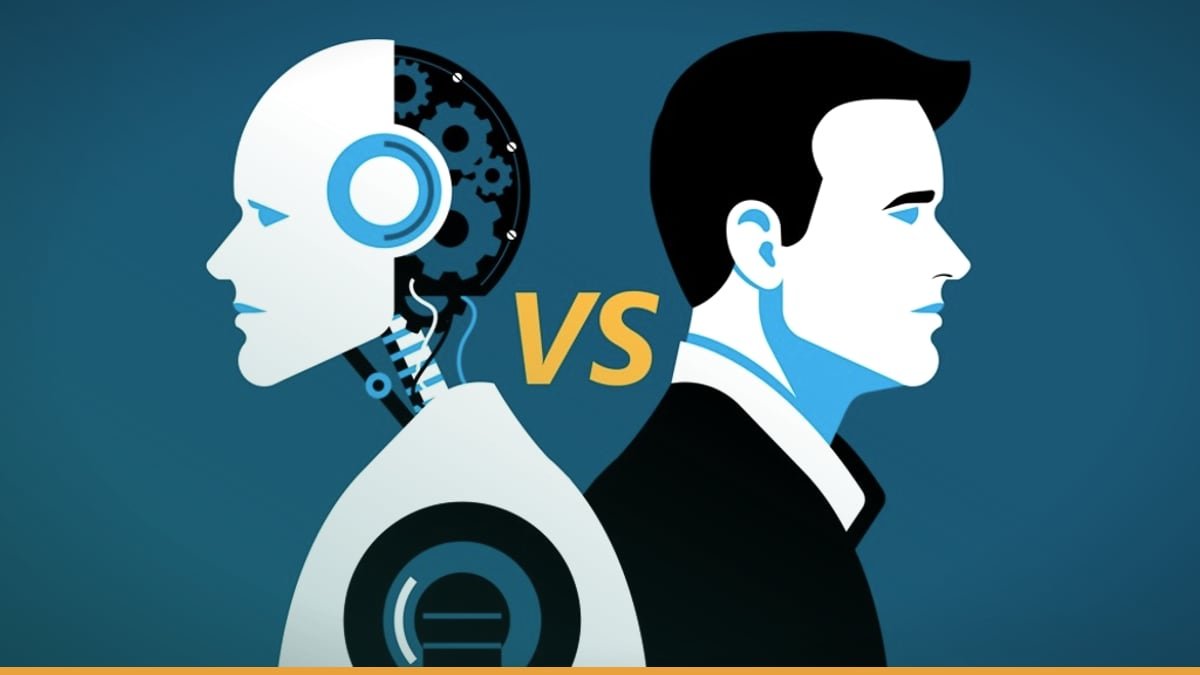
  • **AI vs. Technology: A False Dichotomy—or the Defining Goal of Our Era?**

    **AI vs. Technology: A False Dichotomy—or the Defining Goal of Our Era?**

    Header image: Man vs. Machine | Biology vs Technology SU Amsterdam 2013 – 19928 by 4v4l0n42, CC BY 2.0, via flickr via Openverse — cropped to 16:9 and colour-adjusted.

    Key takeaways

    • AI isn’t rival to technology but its most ambitious expression
    • AI depends entirely on general tech like semiconductors and cloud
    • AI redefines technology’s possibilities by aiming to replicate human thought

    AI isn’t just another tool. It’s a goal of technology: replicating human-like intelligence. That isn’t a "vs. "—it’s a hierarchy. If technology is the broader category of tools that extend human potential, AI is the subset chasing the ultimate prize. Automating not just tasks, but human-like intelligence.

    The framing of "AI vs. technology" is misleading. AI isn’t an alternative to technology. It’s an expression of what technology can aspire to.

    Here’s the kicker. AI depends entirely on general technology—semiconductors, cloud computing, data infrastructure—even as it transforms and strains those same systems. It’s a parasitic innovator, feeding on the very tools it’s redefining. So the real question isn’t "AI vs. So the real question isn’t "AI vs. technology" but what happens when technology’s goal becomes replicating human thought.


    The Hierarchy: How AI Fits Into (and Depends On) General Technology

    AI doesn’t exist in a vacuum. It’s embedded in the technological ecosystem of the 2020s, from search engines to medical diagnostics. But it’s also accelerating that ecosystem in ways we’re only beginning to grasp.

    Take the infrastructure that powers AI.

    Compute. Nvidia’s GPUs and Google’s TPUs are essential for the AI gold rush. Without these specialized chips, training large language models would be impossible. Nvidia’s market cap has surged significantly. A direct reflection of AI’s hunger for compute power.

    Data. Cloud providers store and process the petabytes of data needed to train models. APIs and open-source frameworks democratize access. But they’re built on decades of general-purpose software development.

    Algorithms. AI’s breakthroughs are enabled by foundational technologies. Python. Linear algebra libraries. Optimization techniques that predate the current AI boom.

    This isn’t just dependence. It’s symbiosis. AI is a force multiplier for general technology. But it’s also a stressor. The energy demands of training large language models are significant. Data centers are scrambling to secure power contracts. Chip supply chains are stretched thin. AI isn’t just riding the wave of technological progress—it’s reshaping the ocean.


    The Ambition: Why AI’s Goal Makes It Different

    Traditional technology augments human capability. A calculator speeds up arithmetic. A tractor multiplies farming efficiency. AI, however, aims to replace or surpass human cognition in specific domains. That’s not incremental. It’s a phase shift.

    Consider two real-world examples.

    WAXAL’s African Language Models Hundreds of millions in Sub-Saharan Africa speak over 2,000 distinct languages. Most technology—search engines, voice assistants, educational tools—only supports a handful. WAXAL, an open-access speech technology initiative, doesn’t just translate these languages. It enables understanding and generation of underrepresented tongues. Without AI, this problem would require an impractical army of human translators. AI doesn’t just scale technology. It makes previously impossible solutions feasible.

    Kardi Ai’s Cardiac Monitoring Launching in Hyderabad on September 26, 2024, Kardi Ai’s AI-powered system doesn’t just record cardiac data. It interprets it in real time. Traditional monitoring relies on periodic check-ups, where doctors review snapshots of data. Kardi Ai flags anomalies as they happen, catching issues that might slip through the cracks. This isn’t just automation. It’s augmented cognition. AI acts as a tireless, hyper-attentive partner to human clinicians.

    The difference between AI and general technology isn’t just capability. It’s ambition. A tractor doesn’t aim to be a farmer. AI isn’t content to be a tool. It’s gunning for human-like reasoning, perception, and decision-making. That’s what sets it apart.


    The Real-World Impact: AI as Technology’s Force Multiplier

    AI’s most transformative power lies in its ability to take existing technology and make it orders of magnitude more powerful, accessible, or precise. The "vs. " framing misses this entirely. AI isn’t competing with technology. It’s supercharging it.

    Take WAXAL’s work. Before AI, speech technology for African languages was a non-starter. The sheer diversity of languages—over 2,000 in Sub-Saharan Africa alone—made manual development of voice assistants or translation tools economically unviable. AI changes the equation. By leveraging large-scale data collection and machine learning, WAXAL can train models that understand and generate speech in underrepresented languages. This isn’t just a technical achievement. It’s a democratizing one. AI is bridging gaps that general technology alone couldn’t touch.

    Or look at Kardi Ai. Continuous cardiac monitoring isn’t new. But AI makes it scalable. Without AI, analyzing weeks or months of ECG data would require an army of cardiologists. With AI, the system does the heavy lifting, flagging potential issues for human review. This isn’t about replacing doctors. It’s about giving them superpowers. AI takes a tool—cardiac monitoring—and turns it into a platform for proactive, personalized care.

    The pattern is clear. AI doesn’t just improve technology. It redefines what technology can do. The question isn’t "AI vs. The question isn’t "AI vs. technology" but how AI is transforming the tools we already rely on.


    The Infrastructure Paradox: AI’s Dependence on (and Strain of) General Technology

    AI’s reliance on general technology is a double-edged sword. On one hand, AI wouldn’t exist without the foundational infrastructure—semiconductors, cloud computing, data networks—that powers it. On the other, AI is straining that infrastructure to its limits.

    Energy. Training large language models consumes significant electricity. Data centers are scrambling to secure renewable energy contracts. Some regions are hitting grid capacity limits.

    Hardware. Nvidia’s dominance in GPUs isn’t just a success story. It’s a bottleneck. Chip shortages and supply chain disruptions can stall AI progress overnight.

    Data. AI’s hunger for data is insatiable. Privacy concerns, regulatory hurdles, and the sheer cost of data collection are becoming major constraints.

    This creates a feedback loop. AI accelerates demand for better technology—faster chips, more efficient algorithms, greener data centers. But general technology’s limits—energy costs, chip shortages, regulatory hurdles—constrain AI’s growth. The "vs. " framing ignores this tension. AI isn’t separate from technology. It’s entangled with it, pushing it forward while being held back by its weaknesses.


    The Critics: Why AI’s Ambition Might Outpace Its Foundations

    AI’s biggest risks may come from its successes, not its failures. Critics like Stuart Russell and Peter Norvig argue that every technology follows an S-curve. Initial rapid growth, followed by diminishing returns as physical or economic limits kick in. AI is no exception.

    The S-Curve Problem. Moore’s Law is slowing down. Energy costs are rising. The low-hanging fruit of AI—training models on vast datasets—may be nearing its limits. What happens when progress stalls?

    Ethical Risks. AI’s reliance on data raises thorny questions about bias, privacy, and control. In 2016, issues of fairness and misuse became central topics at machine learning conferences, with increased publications and funding. Unlike general technology—a hammer—AI is opaque. Its decisions can be hard to explain. Its outputs can reinforce societal biases.

    Cultural Impact. Philosopher Philip K. Dick argued that AI alters "our understanding of human subjectivity. " This isn’t just a technical concern. It’s a cultural one. When technology starts mimicking human thought, it changes how we see ourselves.

    The "AI vs. technology" debate often ignores these nuances. AI isn’t just another tool. It’s a force that reshapes the very foundations of technology, ethics, and society. The real question isn’t whether AI will win or lose against technology. It’s whether we’re prepared for the consequences of its success.


    The False Dichotomy: Why the "Vs. " Framing Misses the Point

    The idea that AI and technology are in opposition is fundamentally flawed.

    AI is a subset of technology. It’s not a separate category. It’s a specialized pursuit within the broader field of tools and systems designed to improve human capabilities.

    AI depends on general technology. Without semiconductors, cloud computing, and data infrastructure, AI wouldn’t exist. It’s not self-sufficient. It’s parasitic on the very systems it’s transforming.

    AI’s ambition redefines technology’s possibilities. Traditional technology augments human capability. AI aims to replace or surpass it in specific domains. That’s not just a difference in degree. It’s a difference in kind.

    Instead of "" the real questions are:

    • How is AI transforming general technology?
    • What happens when technology’s goal becomes replicating human intelligence?
    • Can general technology keep up with AI’s demands?

    The tension isn’t between AI and technology. It’s between AI’s aspirations and the limits of the technology that enables it.


    The Future: AI as Technology’s Next Evolutionary Step

    AI isn’t replacing technology. It’s becoming the dominant paradigm of what technology can achieve. The evidence is already here.

    Democratization. WAXAL is making speech technology accessible to hundreds of millions who were previously excluded. AI isn’t just for the tech elite. It’s becoming a public utility.

    Acceleration. AI-driven drug discovery is shortening R&D timelines. Climate modeling, materials science, and even creative fields like music and art are being transformed by AI’s ability to generate and optimize solutions at scale.

    Strain. Energy grids, chip supply chains, and data privacy regulations are struggling to keep up. AI’s growth is outpacing the infrastructure that supports it.

    The brief’s context is clear. AI’s integration into essential applications—healthcare, language, diagnostics—suggests it’s becoming as foundational as electricity. But unlike electricity, AI is dynamic. It learns, adapts, and evolves. The question isn’t whether AI will replace technology. It’s what comes next when technology’s goal is replicating human capability.


    The Bottom Line: AI Is Technology’s Most Ambitious Offspring

    The "AI vs. technology" debate is a distraction. AI isn’t a rival to technology. It’s technology’s ambitious offspring. It relies on general technology even as it transforms it. Its ambition—human-like intelligence—sets it apart from traditional tools. But its risks and limits stem from its dependence on—and strain of—the very systems that enable it.

    So what’s the takeaway? AI isn’t just another tool in the toolbox. It’s the goal that’s redefining what the toolbox can do. The real story isn’t "vs. " It’s what happens when technology’s aspiration becomes replicating human thought.

    And more importantly—are we ready for it?


  • **Technology vs Nature Painting?: How Artists Visualize the Conflict—and Why It Matters**

    **Technology vs Nature Painting?: How Artists Visualize the Conflict—and Why It Matters**

    Header image source: Nature vs Technology Painting by Lesley Brewer-Wright | Saatchi Art via Saatchi Art via Google — cropped to 16:9 and colour-adjusted.

    Key takeaways

    • Technology vs nature painting isn’t coexistence but confrontation in contemporary art
    • Most nature art avoids technology because the tension is too raw and unresolved
    • WAXAL reveals how tech access gaps shape whose nature gets represented

    Technology vs nature painting. Not a polite disagreement. Not a gentle evolution. A collision. Lesley Brewer-Wright’s Nature vs Technology doesn’t whisper—it shouts. 2,000 Pinterest searches for “nature vs technology drawings” don’t lie. The curator’s selection reveals most nature art still excludes technology. This isn’t coexistence. It’s a deliberate staging of technology as intruder, disruptor, redefiner. And the most unsettling part? We haven’t actually confronted it.


    The Artists Who Aren’t Afraid of the Fight

    Lesley Brewer-Wright’s Nature vs Technology measures 23 inches by 23 inches. Mixed media. “Other materials.” That isn’t just a description—it’s a declaration. The scale is intimate. Small. Forces you to lean in. Confront the clash of organic and synthetic textures up close. No grand landscape. No sweeping vista where technology lurks on the horizon. Just a square of tension. A microcosm of something larger.

    Matilde Estrada’s 2021 Nature vs. Technology doesn’t play nice. Her work wasn’t designed for mere aesthetic appeal. The goal was explicit: “bring attention to how technology has evolved and affected the environment.” No subtlety. No softening. Estrada doesn’t invite admiration—she demands acknowledgment. Of damage. Of change. Of something irrevocable.

    What’s striking about both works is how the medium serves the message. Mixed media isn’t just style—it’s metaphor. Brewer-Wright’s “other materials” could be anything. Recycled circuit boards. Shredded cables. Fragments of the tech she’s critiquing. Estrada’s approach is just as direct. If technology alters nature, the art should feel altered. These aren’t paintings that let you look away.


    The Search Trends Prove This Isn’t Just Art—It’s a Cultural Obsession

    2,000 Pinterest searches for “nature vs technology drawings.” 564 for “technology vs nature art.” These aren’t just numbers. They’re proof. People aren’t passively consuming this theme—they’re hunting it. Face-painting trends frame it as a creative way to bring together natural and artificial elements. A battle. Not a dialogue.

    That word—“showdown”—matters. It suggests people aren’t looking for reconciliation. They’re looking for drama. Tension. Conflict. The sheer volume of searches points to something deeper than aesthetic curiosity. It’s cultural anxiety manifesting in visual form. People don’t just want to see nature vs technology. They want to understand it. Process it. Maybe even pick a side.


    The Curator’s Dilemma: Why Most Nature Art Still Ignores Technology

    A curator assembled nine paintings exploring the relationship between art, nature, and technology. Four included technology. Less than half.

    This isn’t an oversight. It’s a statement.

    The scarcity of tech in nature art isn’t about preference—it’s hesitation. Artists have painted nature for centuries. Technology is the new intruder. The tension is too raw. Too unresolved. How do you paint a wind turbine without making it a monument to progress or a scar on the landscape? How do you depict a drone without turning it into savior or predator?

    The curator was “intrigued by how technology changed the message of nature.” That’s the point. Technology doesn’t just add to nature art—it alters it. A landscape with a power line isn’t just a landscape with a power line. It’s redefined. Politicized. Commodified. Uncomfortable. So artists avoid it. But avoidance isn’t neutrality. It’s a choice to ignore the elephant in the room.


    **Beyond the Canvas: How Technology Is Reshaping How We Experience Nature (and Art)**

    WAXAL launched in March 2026. A “large-scale open resource for African language speech technology.” Its goal? To address the fact that hundreds of millions in Sub-Saharan Africa have been “unable to access essential technology in their native tongues.” Over 2,000 distinct languages exist in the region. Most tech—AI assistants, educational tools—has ignored them.

    This isn’t just about language. It’s about representation. Who gets to document nature in a tech-driven world? How do you share your relationship with the environment when the tech mediating that relationship doesn’t speak your language? The “technology vs nature” debate isn’t just environmental—it’s cultural. And art that ignores this misses the point entirely.

    WAXAL’s existence exposes a critical blind spot. Most “” art centers Western perspectives. Technology as villain or tool of progress. But what about communities where tech isn’t even accessible in their own language? Where does nature fit into that equation? The art world hasn’t grappled with this. But it needs to.


    The Paradox: Technology as Both Villain and Savior

    Face-painting trends present nature and technology as contrasting elements. The reality is messier. Some artists don’t just depict technology as a threat—they use it to enhance nature art. Brewer-Wright’s mixed media work doesn’t just juxtapose organic and synthetic materials—it blends them. The result isn’t a clear “vs” but a hybrid. A murky middle ground where technology and nature aren’t opposites but codependents.

    This is the paradox at the heart of the theme. Technology isn’t just destroying nature—it’s enabling new ways to document, preserve, and experience it. Drones capture deforestation in real time. AI models predict climate patterns. Digital archives preserve Indigenous knowledge that might otherwise vanish. So is technology the villain? Or the reluctant hero?

    The most compelling art doesn’t pick a side. It forces the viewer to ask: Can innovation ever be in harmony with nature? Or is the tension inherent? Unavoidable? The price of progress?


    The Missing Pieces: What Most “Technology vs Nature” Art Ignores

    WAXAL’s focus on African languages addresses fundamental access to technology. And whose gets erased. Most “tech vs nature” art centers on Western landscapes. Melting glaciers. Smog-choked cities. Deforested Amazon. But what about the ecosystems in Sub-Saharan Africa? Tech’s impact is just as profound there—just less visible in global art.

    The theme’s popularity in search trends—2,000 people looking for “nature vs technology drawings”—contrasts sharply with its limited scope in galleries. This isn’t just a blind spot. It’s a gap. The conversation is dominated by dystopian imagery of tech-run-amok. But it’s missing the stories of communities where technology hasn’t even arrived yet. What does “nature vs technology” mean in a place where tech is still a novelty? Or where it’s being used to exploit rather than preserve?

    If artists want to truly explore this tension, they need to move beyond the obvious. They need to ask: Whose nature is being saved—or destroyed—by technology? And who gets to decide?


    The Call to Action: Art Isn’t Just a Mirror—It’s an Invitation

    Pinterest’s search data shows significant interest in this theme. Face painting. Drawings. These aren’t passive acts. They’re participatory. The curator’s gallery selection reflects contemporary artistic concerns. The curator’s approach highlights how technology affects artistic expression. That wasn’t accidental. It was deliberate. Turning observation into engagement.

    The next step isn’t just more paintings. It’s more conversations. The “technology vs nature” theme isn’t just a visual trend—it’s a cultural reckoning. And art has always been a way to process reckonings. But processing isn’t enough. The question isn’t just how technology affects nature. It’s what we’re going to do about it.

    So here’s the open question: If art is framing technology as both threat and tool, what does that mean for the rest of us? Are we just spectators? Or are we part of the showdown?


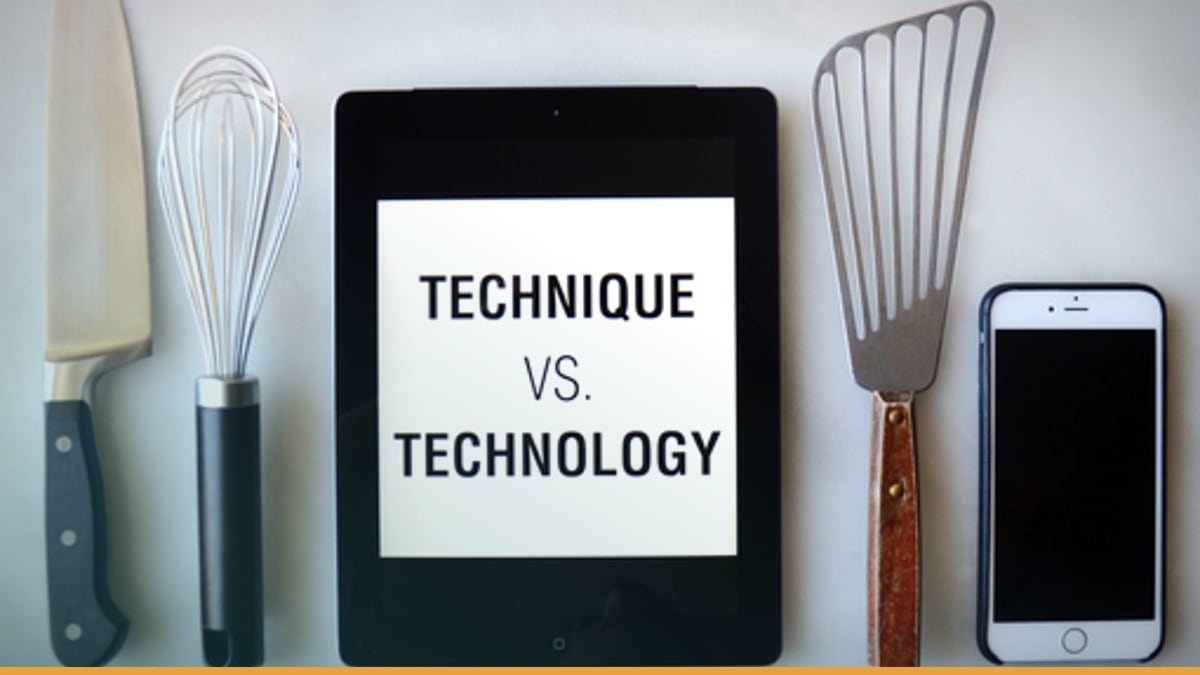
  • **Technology vs. Technique: Why the Real Answer Is Both**

    **Technology vs. Technique: Why the Real Answer Is Both**

    Header image source: Technology Vs Technique. The term “Technology” comes from the… | by Neha Chechi | Medium via Medium via Google — cropped to 16:9 and colour-adjusted.

    Key takeaways

    • Technology enables new techniques but requires human skill to deploy effectively
    • Integration of tech and technique avoids up to 80% rework in construction
    • Real estate lags in tech adoption but gains come from aligned workflows

    Technology vs. technique? The debate isn’t new. But the numbers don’t lie—technology integration can avoid up to 80% rework and reduce construction time by up to 25%. The answer wasn’t choosing one over the other. It was recognizing they’re inseparable. Ignore one, and the other collapses.

    This isn’t abstract. Technology is just hardware without the human skill to deploy it. Technique hits hard limits without technology’s scalability. The future belongs to those who stop seeing them as competing philosophies and start treating them as a single system.


    Where Technology Ends and Technique Begins

    Technology isn’t just gadgets. It’s a system—tools, principles, collaboration across fields. Technology involves complex systems, scientific knowledge, and industrial application. That’s the what: technology tools and systems.

    Technique is the how. Individual. Procedural. Human. A surgeon’s hand movements. A construction crew’s workflow. The method of tagging materials with RFID. Techniques have existed universally across human history, while "technology" as a distinct category is modern. Before industrialization, craftsmanship and agriculture thrived without the label. Now, they’re intertwined.

    The overlap is where progress happens. Technology enables new techniques—AI-assisted design. Techniques determine how effectively technology is used—interpreting BIM data. Technology is the principle behind the gadget; technique is the method of implementing it. One without the other is either a tool gathering dust or a skill hitting a ceiling.


    Why Techniques Came First—and Why That Matters

    For most of human history, "technology" didn’t exist as a category. Techniques did. Blacksmiths honed their craft. Farmers developed irrigation. Builders refined construction methods. Modernity formalized tools into a distinct sphere, driven by industrialization and scientific revolutions.

    This explains why sectors like construction lagged in tech adoption. Their techniques were already "good enough. " Masonry, timber framing, bricklaying—these evolved over millennia without RFID or BIM. But as projects grew larger and more complex, the limits of technique alone became clear. Construction techniques innovated incrementally, but integrated tech—visualization tools, management systems—were slow to catch on. The ROI wasn’t obvious until scale demanded it.

    Techniques don’t become obsolete. They adapt. The best masons today still rely on age-old methods, but drones survey sites, BIM models guide layouts, and RFID tracks materials. The tools changed. The techniques evolved with them.


    The Efficiency Paradox: Why Technology Alone Is Useless

    Here’s the hard truth: technology is only as good as the techniques that deploy it. Technology integration can avoid up to 80% rework and reduce construction time by up to 25%, but these gains don’t come from tech alone. They came from integration—visualization tools paired with skilled modeling workflows, construction management systems combined with adapted coordination techniques.

    Take RFID tracking. On paper, it eliminates paper-based inefficiencies, reduces cost overruns, and streamlines material access. In practice? It’s useless unless site teams adopt standardized tagging methods, update inventory protocols, and integrate the data into their workflows. "RFID technology integration helps track materials… in paperless ways, reducing cost and time overruns. " But the key word is integration. The tech doesn’t replace the technique. It amplifies it.

    The same applies to BIM. A 3D model is just a pretty picture unless architects, engineers, and contractors align their techniques—collaborative review processes, clash detection workflows, data-sharing protocols. Without those, BIM is just another file sitting on a server. The efficiency gains come from the marriage of tech and technique.


    Why Real Estate Is Playing Catch-Up

    The construction industry currently allocates less than 1.5% of total revenue to technology. That’s projected to rise to at least 5% short-term and around 10% medium-term. Why the lag? It’s not resistance. It’s misaligned incentives. For centuries, techniques were sufficient. Why fix what isn’t broken?

    The turning point came when scale and complexity outpaced human techniques alone. Smart home standards like Z-Wave and ZigBee now allow buyers to control systems via apps, but only if installation techniques follow digital-first protocols. Digital handover tools—cloud-based manuals, warranty tracking—reduce post-construction headaches, but only if builders adopt standardized data-entry techniques.

    This represents a perfect communion. But that communion doesn’t happen organically. It requires deliberate alignment—training crews on new tools, redesigning workflows around digital collaboration, measuring ROI not just in dollars saved but in rework avoided. The gap isn’t technological. It’s procedural.


    How Technology Rewrites What’s Possible

    Technology doesn’t just optimize existing techniques. It redefines them. The most exciting advances bridge gaps between disciplines. Smart home apps let buyers control lighting, security, and HVAC post-handover. But that only works if installation techniques align with digital standards—Z-Wave/ZigBee compatibility, network segmentation, user-friendly interfaces.

    This is where technology’s multidisciplinary nature shines. AI-assisted design tools generate structural layouts, but engineers still need techniques to validate them against real-world constraints. Drones survey sites faster than human crews, but surveyors must interpret the data and integrate it into BIM models. The tech enables cross-disciplinary techniques that would’ve been impossible a decade ago.

    Technology involves art, industry, benefit, scientific knowledge, and method. Technique is the specialized procedure within a field. The magic happens when they intersect. Data science informs construction methods. IoT sensors optimize building maintenance. AI predicts material failures. All enabled by tech. All executed through refined techniques.


    Why Humans Still Outperform Pure Automation

    Automation gets the hype. Technique delivers the results. RFID tracks materials, but human techniques determine how efficiently they’re deployed. BIM models clash-detect automatically, but engineers must interpret the conflicts and propose solutions. Even in tech-heavy sectors, mastery of technique separates leaders from laggards.

    Consider surgical robots. They enhance precision, but the surgeon’s technique—hand-eye coordination, decision-making under pressure—still determines outcomes. The same applies to construction. AI generates design options, but architects and engineers select the best one based on aesthetics, structural integrity, and cost. Technique isn’t being replaced. It’s being augmented.

    Some techniques are being automated. AI-driven design tools generate floor plans based on zoning laws and client briefs. But even here, human oversight is critical. The tool suggests a layout. An architect’s technique—understanding spatial flow, material constraints, client psychology—refines it into something usable.

    The implication is clear: the future isn’t tech or technique. It’s tech-enabled technique. The winners will treat automation as a force multiplier, not a replacement.


    Real Estate’s Blueprint for Integration

    Real estate is the poster child for why technology and technique must evolve together. Technology integration can avoid up to 80% rework and reduce construction time by up to 25%, and these gains don’t come from a single breakthrough. They came from integrated adoption:

    • Visualization tools (BIM): Reduced errors, but only when teams adopted collaborative modeling techniques.
    • Construction management systems: Cut delays, but required procedural changes in coordination and reporting.
    • RFID tracking: Eliminated paper-based inefficiencies, but demanded standardized tagging methods.
    • Smart home standards (Z-Wave/ZigBee): Enabled app-based control, but only if installation techniques followed digital protocols.

    Each technology solved a specific problem. Their full potential was unlocked by complementary techniques. RFID doesn’t just track materials. It requires site teams to scan tags consistently and update inventory in real time. BIM doesn’t just create 3D models. It demands cross-disciplinary review processes to catch clashes before they become costly mistakes.

    "Technology integration happening at all levels. " But integration is the key word. The sector’s gains stem from marrying tech’s scalability with technique’s precision. Neither alone would’ve delivered the same results.


    The Next Frontier: Pushing the Convergence Further

    The future isn’t about choosing technology or technique. It’s about pushing their convergence further. AI-assisted techniques will guide construction methods. Predictive modeling will inform design decisions. Automation will handle repetitive tasks while humans focus on high-value technique.

    But risks loom. Over-reliance on tech without refining techniques leads to brittle systems. AI-generated designs might ignore practical constraints. Automated workflows might miss edge cases. The antidote? Treating technology and technique as equal partners.

    The opportunity is massive. Drones will survey sites faster, but engineers will interpret the data. AI will generate design options, but architects will refine them. RFID will track materials, but site teams will optimize their deployment. The winners will see technology as a toolkit and technique as the craftsmanship to wield it.

    The open question isn’t whether technology or technique will dominate. It’s how quickly sectors will realize they’re two sides of the same coin—and start investing in both. Because the sectors that figure this out first won’t just build faster. They’ll build smarter.


  • **”Technology vs. Nature Poster? The Evidence, Trends, and What It Really Means”**

    **”Technology vs. Nature Poster? The Evidence, Trends, and What It Really Means”**

    Header image: Technology vs Nature by Prazeres, CC BY-SA 3.0, via Wikimedia Commons — cropped to 16:9 and colour-adjusted.

    Key takeaways

    • Commercial platforms drive ‘technology vs nature’ poster demand through eye-catching designs
    • Visuals range from didactic conflict to ambiguous hybridization, revealing cultural anxieties
    • AI-generated art risks saturating the market with surreal but derivative conflict imagery

    The "" poster isn’t just popular—it’s everywhere. Over 2,000 Pinterest searches for "Nature vs technology drawings" don’t lie. Redbubble sells custom-cut posters on bright white stock, engineered for "sharp images and vibrant color reproduction. " Dreamstime hosts 116 vectors on the theme. Magnific.com gives away free "Tech nature poster" resources. Fine Art America’s "technology posters" category stretches from abstract designs to hyper-realistic machines. CartoonStock markets its "nature vs. technology" cartoons as tools for "illustrating articles or presentations. "

    So, does the "technology vs. nature" poster exist? Absolutely. But the real story isn’t whether it exists—it’s why it’s inescapable, what it actually shows, and what that says about us. Spoiler: It’s not the simple battle the phrase suggests. These posters don’t just depict conflict. They reveal a spectrum of human anxieties, hopes, and contradictions about progress and the planet.


    The Commercial Engine: Why This Theme Won’t Die

    The sheer volume—116 illustrations on Dreamstime, free vectors on Magnific.com, entire categories on Fine Art America—points to a self-sustaining cycle. Platforms feed demand, artists supply it, buyers (educators, marketers, activists) perpetuate it. But let’s talk mechanics.

    Redbubble’s "custom cut" posters aren’t just about messaging. Bright white bases guarantee "sharp images and vibrant color reproduction. " Translation: These posters are designed to stand out, not necessarily to provoke. That’s telling. The theme sells because it’s eye-catching, not because it’s profound.

    Fine Art America’s range includes everything from abstract designs to literal machines and robots, explicitly tying the theme to "man’s connection with technology. " The breadth matters. It’s not just robots invading forests. It’s relationships—domination, symbiosis, irony, nostalgia. The commercial success proves cultural stickiness, but it also risks turning a complex idea into a cliché.

    Their cartoons are positioned as tools for "illustrating articles or presentations," targeting professionals like journalists and academics. This suggests the theme isn’t just decorative—it’s functional. It’s shorthand for a conversation we’re already having: What is technology doing to us? To the planet?

    But here’s the catch: Commercialization might be diluting its impact. More on that later.


    The Audience Breakdown: Who’s Actually Buying (and Why)

    The split in audience is stark.

    1. Educators and Activists: Tags like "Save the environment poster for kids" and "Earth and science" suggest these posters teach children about environmentalism and STEM. The message here is simplified: technology harms nature, and we need to save it.
    2. The tone here is more nuanced: Is our relationship with technology sustainable? What does it mean for humanity?

    This divide exposes a tension. Are we teaching the next generation to fear technology, or to question its role? The "save the environment" posters for kids lean toward moral lessons. The adult-oriented content leans toward existential questions. That’s not just a difference in audience—it’s a difference in worldview.

    Fine Art America’s "technology posters" category includes works ranging from "abstract designs" to "realistic portrayals of machines, computers, and robots. " The abstract pieces invite interpretation—what does a circuit board merging with a tree mean? The realistic ones emphasize tangible conflicts: drones in forests, factories belching smoke. The former is open-ended. The latter is didactic.

    Which approach works better?


    The Visual Language: How Aesthetics Frame the Debate

    The visual diversity is vast, but most posters fall into a few key tropes:

    1. Juxtaposition

    The most common approach: side-by-side contrasts. A tree next to a smartphone. A forest next to a server farm. A bird next to a drone. These posters don’t just show conflict—they force the viewer to compare. The implication is clear: These two things don’t belong together.

    But is that true? Nature and technology do coexist—just not always in obvious ways. A smartphone is made of rare earth minerals mined from the earth. A server farm consumes energy, often from fossil fuels. The conflict isn’t just visual—it’s systemic.

    2. Hybridization

    Some posters merge technology and nature into a single form. A robot with vines growing from its circuits. A city skyline made of trees. A human face half-machine, half-leaf. These designs suggest integration, not opposition. They’re more optimistic—or at least more ambiguous—than juxtaposition posters.

    But they’re also more abstract. What does a biomechanical hybrid mean? A warning about transhumanism? A celebration of bioengineering? A fantasy about post-human evolution? The viewer fills in the blanks.

    3. Satire and Irony

    Some posters exaggerate the conflict for comedic or critical effect. A factory belching smoke shaped like a tree. A smartphone with roots instead of apps. A robot hugging a tree while bulldozing a forest. These designs use humor to highlight the absurdity of the "vs. " framing.

    Satire works because it exposes contradictions. But it also risks trivializing the issue. If a poster is funny, does it still matter? Or does it just become another meme?

    Color Palettes and Composition

    The choice of colors and composition reinforces the message:

    • Bright whites (Redbubble): Suggest modernity, clarity, sharpness. These posters feel designed, not organic.
    • Earth tones: Imply nature, sustainability, warmth. These posters feel grounded.
    • Clashing colors (neon vs. green): Heighten tension. These posters scream conflict.

    leaves, gears vs. flowers. The former is metaphorical. The latter is literal. Metaphorical posters invite interpretation. Literal ones demand it.

    The most shareable designs simplify the conflict. They’re visually striking, but they don’t always deepen the conversation. That’s a problem.


    The Missing Middle: What Most Posters Ignore

    Here’s the thing: No renewable energy tech. No circular economies. No symbiotic human-tech ecosystems. The "vs. "

    Why the gap?

    1. Market Forces

    Conflict sells. Harmony is harder to dramatize. A poster of a solar panel isn’t as visually striking as a robot strangling a tree. But that doesn’t mean it’s less important.

    2. Cognitive Bias

    Humans notice problems more than progress. We’re wired to pay attention to threats, not solutions. A poster about deforestation grabs attention. A poster about reforestation feels like a PSA.

    3. Artistic Limitations

    Solutions require specificity. A poster about lab-grown meat or carbon capture tech risks datedness or niche appeal. Abstract conflict is timeless. Practical solutions are not.

    The omission is telling. These posters reflect anxiety more than agency. We’re better at critiquing the problem than imagining fixes. That’s a cultural failure, not just an artistic one.


    The AI Wildcard: How Technology Is Changing the Poster Itself

    Pinterest’s "AI and humanity" tag under "technology vs nature" content suggests a new frontier: AI-generated art.

    AI’s Role

    AI can generate "technology vs nature" posters in seconds. The results are often surreal—melting circuits, biomechanical hybrids, dystopian landscapes. These designs add a new layer: fantasy. They’re not just depicting conflict. They’re imagining it.

    But AI also risks flooding the market with derivative work. If every artist can generate a "" poster in seconds, does the theme lose its impact? Does it become noise?

    Impact on Artists

    Stock assets (Dreamstime, Magnific) may become training data for AI, blurring the line between human and machine creativity. That’s a threat to artists—but it’s also an opportunity. AI can handle the clichés, freeing humans to explore more nuanced ideas.

    New Tropes

    AI-generated art often leans into surrealism. Expect more:

    • Dystopian hybrids: Machines consuming nature, or nature reclaiming machines.
    • Biomechanical fantasies: Humans merging with plants, or cities growing like forests.
    • Absurdist satire: Robots hugging trees while bulldozing forests.

    The irony? The tools amplifying this theme might also render it obsolete by saturating the market.


    The Societal Mirror: What These Posters Reveal About Us

    CartoonStock’s framing positions these posters as "a smart take on our evolving relationship with technology. " That’s accurate. These posters aren’t just art—they’re cultural commentary.

    Generational Divide

    • Kids’ posters: Moral lessons ("save the environment"). Technology is the villain. Nature is the victim.

    . Technology is ambiguous. Nature is a mirror.

    Geographic Nuance

    Are these posters more popular in tech hubs (Silicon Valley) or regions facing environmental crises (wildfire zones)? The brief doesn’t say, but the answer would reveal a lot. Tech hubs might produce posters about innovation. Crisis zones might produce posters about survival.

    Political Undercurrents

    Most posters lean toward the former. That’s not surprising—criticism is easier than hope.

    The Rorschach Test

    Your reaction to these posters says more about you than the art:

    • Fear? You see technology as a threat.
    • Hope? You see it as a tool.
    • Indifference? You’ve accepted the status quo.

    The Future: Will the Theme Evolve or Fade?

    Where is this going?

    Optimistic Projection

    Posters will increasingly depict solutions, not just conflicts. Expect more:

    • Renewable tech: Solar panels, wind turbines, lab-grown meat.
    • Circular economies: Recycling, upcycling, zero-waste designs.
    • Symbiotic ecosystems: Cities that breathe, tech that heals nature.

    Pessimistic Projection

    AI-generated clichés will dominate. The theme will become noise—visually striking but intellectually empty.

    Realistic Projection

    The "vs. " framing will persist because it’s emotionally resonant. But new subgenres will emerge:

    • Tech nostalgia: Retro-futurism, analog vs. digital.
    • Post-human nature: What happens when nature and tech merge?
    • Irony and satire: Absurdist takes on the conflict.

    Key Question

    Will the next generation even see this as a conflict? Or will they take tech-nature integration for granted? The answer depends on whether we start depicting solutions—or keep wallowing in anxiety.


    The Verdict: Should You Make (or Buy) a "Technology vs. Nature" Poster?

    The Evidence

    • Pros:
    • Commercially viable (2,000 Pinterest searches, 116 Dreamstime vectors).
    • Cons:
    • Risk of cliché (AI-generated derivatives, oversimplification).
    • Datedness (solutions are underrepresented).
    • Emotional baggage (anxiety sells; hope doesn’t).

    Recommendations

    For Artists

    Push beyond "vs. " Explore:

    • Irony: A robot planting a tree while bulldozing a forest.
    • Symbiosis: A city that grows like a forest.
    • Satire: A smartphone with roots instead of apps.

    For Buyers

    Ask why you’re drawn to the theme:

    • Decoration? Fine, but don’t mistake it for activism.
    • Education? Great, but ensure it’s nuanced.
    • Therapy? Okay, but don’t let it reinforce anxiety.

    For Critics

    Demand more nuance. The conversation is stuck in 2010. Let’s move it forward.

    Final Thought

    These posters aren’t just answering a question—they’re shaping it. The real debate isn’t "" but what we choose to emphasize in the space between.

    So, is there a "technology vs. nature" poster? Yes. But the more interesting question is: What comes next?


  • **Technology vs Books Debate: What the Evidence Actually Shows**

    **Technology vs Books Debate: What the Evidence Actually Shows**

    Header image source: 242 Technology Vs Books Stock Photos – Free & Royalty-Free Stock Photos from Dreamstime via Dreamstime via Google — cropped to 16:9 and colour-adjusted.

    Key takeaways

    • Technology provides speed and access but risks fragmentation
    • Books foster deeper engagement and retention
    • Educators face tension between policy mandates and classroom realities

    Here’s the thing: nobody’s actually winning this fight. Technology delivers speed, convenience, scale—books deliver depth, retention, focus. That’s the trade-off. The real question isn’t which one to crown. It’s when to reach for each.

    Computers haven’t killed books. Not even close. The evidence keeps showing books foster deeper engagement while screens risk fragmentation—skimming over reading, multitasking over thinking. That tension isn’t fading. If anything, it’s sharpening as classrooms push more screens while teachers quietly keep the paperbacks on the shelves.


    Technology’s Case: Fast, Cheap, Everywhere

    “Significantly transformed our lives.” That’s not hype. A single tablet holds thousands of textbooks, research papers, multimedia. Instant access to global libraries isn’t a luxury anymore—it’s baseline.

    Digital tools enable learning that static textbooks can’t touch. Simulations, adaptive quizzes, embedded videos, collaborative annotation—these aren’t gimmicks. In STEM, interactive models of molecular structures or real-time data visualisations make abstract concepts tangible. A student can rotate a 3D DNA helix or tweak variables in a physics simulation in ways a printed diagram never could.

    Convenience is technology’s biggest win. No more heavy backpacks. Remote learners get the same materials as classroom students. Search functions replace page-flipping. But convenience isn’t effectiveness. Faster doesn’t mean better. The question is whether the speed comes at the cost of comprehension.


    Books’ Case: Quiet Resistance

    Books aren’t just surviving—they’re stubborn. The criticism of technology’s “alienating” effects isn’t nostalgia. Studies suggest physical books reduce multitasking and cognitive load. When you read a book, you’re not switching tabs every 47 seconds. No notifications. No social media temptation. You’re doing what cognitive scientists call “deep reading”—sustained, linear attention that strengthens comprehension and retention.

    This debate has dragged on for decades with zero evidence books will disappear. That’s telling. If books were truly inferior, they’d have vanished by now. Instead, universities still assign dense monographs. Writers still draft novels in notebooks. Researchers still cite printed journals. There’s a reason: books demand focus, and focus deepens learning.

    Is technology’s “alienation” effect a design flaw or an inherent limitation? Some argue distraction is baked into digital interfaces—endless hyperlinks, autoplay videos, algorithmic feeds. Others believe better design could fix it. But even well-designed digital reading tools struggle to replicate the tactile, immersive experience of a physical book. The weight of a book in your hands, the progress marked by page numbers, no battery anxiety—these aren’t trivial. They shape how we engage.


    Policy vs. Practice: The Teacher Backlash

    There’s a “frustrating tension” between policy and practice. Policymakers push technology in classrooms, citing access, equity, future-readiness. Teachers resist. They see the trade-offs firsthand: students who skim instead of read, who struggle with long arguments, who multitask during lessons.

    Educators keep asking how much technology is “enough.” The answer isn’t obvious. Some schools went 1:1 with devices, only to roll back when test scores stagnated or engagement dropped. Others banned screens entirely for younger students, citing developmental concerns. The inconsistency suggests we don’t know the optimal balance yet.

    That’s not just philosophy—it’s practice. Group projects on shared documents can foster collaboration or enable free-riding. Digital discussion boards can democratise participation or flatten nuance. The same tool that connects students to global resources can disconnect them from the person next to them.

    Are policymakers overestimating technology’s benefits while underestimating books’ value? The evidence isn’t clear, but the skepticism is. Teachers aren’t Luddites. They’re on the front lines, and they’re telling us screens aren’t a panacea.


    The Attention Economy: How Screens Reshape Reading

    Digital reading encourages skimming. That’s not opinion—it’s documented behavior. Eye-tracking studies show readers on screens spend less time per page, jump between sections more, retain less than print readers. The “F-shaped” reading pattern—scanning the first few lines, then skimming down the left side—is common on screens but rare in books.

    Multitasking is another issue. A student reading a digital textbook might also be checking messages, browsing social media, listening to music. Each task switch incurs a “cognitive cost”—the brain needs time to reorient. Over time, this erodes the ability to sustain attention on a single task.

    The “Battle of Ideas” event highlighted concerns about technology’s impact on focus and comprehension. The worry isn’t just distraction—it’s the kind of thinking technology encourages. Digital reading is often about efficiency: find the answer, move on. Book reading is about engagement: wrestle with ideas, make connections, linger on complex passages.

    Does technology train students for quick information consumption rather than critical thinking? That’s the fear. If students spend more time skimming than reading, they may struggle with tasks requiring deep focus—writing a thesis, analysing a novel, solving complex problems. The risk isn’t that technology will replace books. It’s that it will replace the kind of thinking books demand.


    The Hybrid Future: Matching Tools to Tasks

    This debate won’t end soon, and that’s fine. Both tools will coexist because they serve different purposes. The challenge is figuring out when to use each.

    Some subjects thrive on technology’s interactivity. STEM fields, for example, benefit from simulations, data visualisations, collaborative problem-solving. A biology student can explore a 3D cell model, manipulate variables in a genetics simulation, annotate a shared lab report with peers. These experiences are difficult, if not impossible, to replicate in a textbook.

    Other subjects still rely on books. Literature, philosophy, history often require sustained attention to long-form arguments. A novel isn’t just information—it’s an experience. The pacing, the language, the structure demand focus. A digital version can deliver the text, but it can’t replicate the immersion of a physical book.

    The optimal approach isn’t “either/or” but strategic integration. A history class might use digital archives for primary sources but assign printed books for analytical essays. A science class might use simulations for experiments but textbooks for foundational concepts. The key is matching the tool to the task.


    The Unanswered Question: How Much Is Enough?

    Educators still struggle with “how much technology is enough” in classrooms. No clear guidelines exist. Some schools mandate screen time; others limit it. Some teachers embrace digital tools; others avoid them. The inconsistency reflects broader uncertainty: we don’t yet know the long-term effects of technology on learning.

    Are schools adopting technology out of necessity or proven effectiveness? Cost plays a role. Digital textbooks are often cheaper than printed ones, especially for cash-strapped districts. Access is another. Low-income students benefit from free digital resources. But convenience and cost aren’t educational impact.

    The bigger question is whether technology is changing how students learn, not just how they access information. If screens encourage skimming and multitasking, are we training a generation of superficial thinkers? Or are we adapting to a new kind of literacy—one that prioritises speed and agility over depth and reflection?


    The Stakes: What’s Really on the Line

    This debate affects how students learn, retain, and engage with knowledge. That’s not hyperbole. The choices we make today will shape tomorrow’s thinkers.

    If technology alienates students, it may undermine long-term learning outcomes. Distraction isn’t just a short-term problem—it can rewire attention spans. A student who spends years skimming digital texts may struggle with the sustained focus required for advanced study. The risk isn’t just lower test scores. It’s a generation less capable of deep work.

    The real risk isn’t choosing wrong. It’s failing to adapt strategies as evidence evolves. The debate is valuable because it forces us to question assumptions. Are we prioritising convenience over comprehension? Speed over depth? Access over engagement? These aren’t abstract questions. They have real consequences for how students learn.


    The debate isn’t over. That’s okay.

    Neither technology nor books are universally superior. Each has strengths and weaknesses. Technology excels at speed, access, interactivity. Books excel at depth, focus, retention. The mistake is treating this as a binary choice.

    Instead of picking sides, educators should focus on when and how to use each tool. A history class might use digital archives for primary sources but assign printed books for analytical essays. A science class might use simulations for experiments but textbooks for foundational concepts. The goal isn’t to replace books with technology or vice versa. It’s to leverage the strengths of each.

    What kind of learners do we want to cultivate? What kind of thinking do we value? The answers aren’t obvious. But they’re worth pursuing. The future of learning isn’t about choosing between screens and pages. It’s about using both wisely—and asking why.


  • Technology vs. Technologies: Why the Distinction Matters More Than You Think

    Technology vs. Technologies: Why the Distinction Matters More Than You Think

    Header image source: Human Race Vs Technology via LinkedIn via Google — cropped to 16:9 and colour-adjusted.

    Key takeaways

    • ‘Technology’ refers to abstract fields while ‘technologies’ denotes specific tools
    • Precision in terminology impacts funding, regulation, and adoption
    • The distinction shapes how we frame innovation’s role in society

    "Technology" refers to a general field or abstract study of tools. "Technologies" refers to specific, countable instances of those tools. That’s the distinction. Simple, but not trivial. It’s the difference between talking about medicine as a discipline and listing the actual drugs, devices, and procedures that save lives. One is a concept. The other is a toolbox.

    This isn’t just grammar. It’s a framework that shapes how we discuss innovation, fund research, and deploy solutions. The singular form dominates when we talk about broad categories—"medical technology," "green technology," "information technology. " The plural appears when we’re listing concrete applications—gene-editing technologies, renewable energy technologies. Ignore this distinction, and you risk muddying communication in technical, academic, and professional contexts. Precision isn’t optional here. It’s required.


    The Grammar Behind the Divide

    The singular/plural split reflects English’s treatment of "technology" as both a mass noun and a count noun. That duality isn’t arbitrary. It mirrors how we categorize innovation.

    For example:

    • In general contexts, "technology" is uncountable. Technology is defined as the practical application of scientific knowledge, especially in a particular area. Here, "technology" is a domain—agricultural technology, space technology, nanotechnology—each treated as a singular entity.
    • In specific contexts, it becomes countable. Wordhippo’s analysis confirms this: while the plural can sometimes remain "technology" (e.g., "different technology sectors"), "technologies" is preferred when listing items (e.g., "AI, blockchain, and quantum technologies").

    The ambiguity stems from etymology. "Technology" descends from Greek tekhnē (art or craft) + -logia (study of), making it inherently abstract. Pluralizing it ("technologies") forces concreteness. It transforms a vague domain into tangible, deployable tools.


    Usage Data: Where Each Form Dominates

    Empirical evidence shows a clear dominance of the singular form, but with critical nuances.

    Research shows that the singular technology is much more popular than the plural technologies in common usage. That makes sense.

    But plural usage spikes in technical and professional writing, particularly when:

    • Listing specific tools (e.g.
    • Comparing subfields (e.g., "Western vs.
    • Discussing implementation (e.g.

    The singular’s ubiquity risks erasing specificity. Calling a wind turbine "technology" is accurate but vague. It could refer to anything from a smartphone to a nuclear reactor. This isn’t just semantics. It’s about how we scope problems and solutions.


    The Epistemological Split: Domains vs. Discrete Tools

    The distinction maps onto how experts categorize knowledge. It reflects deeper divides in how we conceptualize innovation.

    "Technology" as a domain: A unifying framework, like "information technology" (IT) or "biotechnology. " Information Technology (IT) is a specialized branch of technology focused on managing and processing information using computers, software, and networks. This framing is useful for discussing overarching trends ("") but obscures the diversity within the field.

    "Technologies" as instances: Countable, deployable tools within a domain. For example: IT technologies include routers, switches, and wireless LAN technologies. These are discrete tools with specific functions.

    • Non-IT technologies: A wind turbine (technology) vs. its gearbox and blade designs (technologies). The singular form abstracts away details. The plural form surfaces them.

    This isn’t just about grammar. It’s about how we frame innovation’s role in society.

    Take the brief’s example: "All IT is technology, but not all technology is IT. " IT is a domain (singular). Its technologies (plural) include servers, firewalls, encryption algorithms. The singular form unifies. The plural form specifies.


    The Professional Cost of Imprecision

    Misusing "technology" and "technologies" can undermine clarity in high-stakes contexts.

    Funding proposals: Calling a project "" suggests a broad breakthrough—something that could revolutionize an entire field. "New technologies" implies multiple tools. Grant reviewers might interpret the singular as hype and the plural as substance.

    Regulation: Laws targeting "AI technology" might cover the entire field, potentially overreaching. "AI technologies" could exempt certain applications (e.g., rule-based systems), allowing for more nuanced policymaking.

    Adoption: Companies pitching "blockchain technology" sound visionary. Those offering "blockchain technologies" sound practical (e.g., smart contracts, private ledgers). The singular form sells a dream. The plural form sells a product.

    The EU’s AI Act uses both forms strategically:

    • "High-risk AI technology" (singular) frames AI as a cohesive field with shared risks.
    • "High-risk AI technologies" (plural) refers to specific systems (e.g., biometric surveillance tools), allowing for targeted regulation.

    This isn’t just about legal precision. It’s about how we allocate accountability.


    The Philosophical Undercurrent: Unity vs. Plurality

    The singular/plural divide reflects competing visions of progress.

    This view dominates pop culture and policy narratives. It treats innovation as an autonomous, deterministic phenomenon.

    "Technologies" as plural: A collection of tools with distinct affordances, risks, and histories ("nuclear technologies vs. solar technologies"). This aligns with science and technology studies (STS), which emphasize context, contingency, and the social construction of tools. Here, innovation isn’t a monolith. It’s a patchwork of choices, trade-offs, and unintended consequences.

    The singular form can erase the human element. It forces us to ask: Which technologies? Designed by whom? For what purpose?


    When the Distinction Blurs: Edge Cases

    Not all usages fit neatly into the singular/plural divide. Some edge cases reveal the framework’s flexibility—and its limitations.

    "Green technologies" (plural) refers to specific tools (e.g., solar panels, electric vehicles). The singular form unifies. The plural form diversifies.

    Emerging fields: "Neurotechnology" (singular) as a discipline vs. "neurotechnologies" (plural) like brain-computer interfaces and optogenetics. The singular form is useful for discussing the field’s potential. The plural form is necessary for discussing its applications.

    Some companies use technology (singular) to convey cohesion and vision. Other companies use technologies (plural) to highlight diversity. The singular form sells a brand. The plural form sells products.

    Rule of thumb: If you can list examples, use plural. If you’re discussing a field’s impact or broad trends, use singular. The distinction often comes down to whether you’re abstracting or specifying.


    The Future: Will the Plural Form Rise?

    Two trends suggest that "technologies" may grow in prominence.

    1. Proliferation of tools: As innovation accelerates—especially in AI, biotech, and quantum computing—discrete "technologies" become more salient than abstract "technology. " The singular form struggles to capture the diversity of tools emerging from these fields. "AI technology" is increasingly inadequate to describe applications from large language models to robotic process automation.
    1. These aren’t single domains but ecosystems of tools, each with its own development trajectory, risks, and opportunities. The plural form is better suited to this complexity.

    Counterpoint: The singular form will persist where unifying narratives are needed. "Technology policy," "tech ethics," and "digital transformation" rely on the singular form to discuss overarching trends. The plural form excels at specificity. The singular form excels at vision.


    How to Choose: A Decision Framework

    Still unsure? This checklist can help:

    | Use "technology" (singular) when… | Use "technologies" (plural) when… | |—————————————|—————————————| | Discussing a broad field (e.g., "biotechnology"). | Listing specific tools (e.g. | | Describing general impact (e.g. | Comparing subfields (e.g., "Western vs. | | Referring to a singular domain (e.g., "information technology"). | Highlighting implementation (e.g., "adopting new manufacturing technologies"). | | Abstracting away details (e.g., "technology is advancing"). | Emphasizing diversity (e.g. | | Discussing a field’s potential (e.g., "AI will transform industries"). | Discussing tangible implementations (e.g., "these AI technologies have X limitations"). |

    Pro tip: If you can replace "technology" with "tools" or "methods," pluralize it. For example:


    Precision as a Professional Superpower

    The "" debate isn’t pedantic. It’s a microcosm of how we categorize progress. The singular form unifies. The plural form specifies. Choosing between them shapes whether your audience sees a monolithic force or a toolbox of options.

    In an era where innovation is both celebrated and scrutinized, that choice matters. The distinction isn’t just about grammar. It’s about how we frame the future.

    And in a world where precision can mean the difference between clarity and confusion, that’s not just a stylistic choice. It’s a professional superpower.

    The question isn’t just "" It’s what kind of conversation are we having? Are we discussing a force of nature or a set of tools? The answer shapes everything that follows.


  • **Technology vs Nature Drawing Easy with Pencil? The Evidence, Techniques, and Why It’s Trending**

    **Technology vs Nature Drawing Easy with Pencil? The Evidence, Techniques, and Why It’s Trending**

    Header image: Park ranger demonstrating nature drawing at Oasis of Mara (49659530023).jpg) by Joshua Tree National Park, Public domain, via Wikimedia Commons — cropped to 16:9 and colour-adjusted.

    Key takeaways

    • Pencil’s raw lines force contrast between nature and tech
    • 3,000+ Pinterest searches show demand for easy, imperfect sketches
    • Amateurs drive the trend with low-skill, high-impact compositions

    899 searches for "Technology vs nature drawing" on Pinterest. 2,000 for "Nature vs technology drawings. " That’s nearly 3,000 people searching for ideas and inspiration on this theme. Not digital brushes. Not ink. Pencil. And that’s no accident.

    This isn’t about technical prowess. It’s about ease. Pencil doesn’t just allow the tension between nature and technology—it forces it. No gradients to soften the edges. No layers to obscure the divide. Just raw, monochrome lines that make the conflict impossible to ignore. The numbers prove it: people aren’t searching for hyper-realistic renders or polished vectors. They want something immediate. Something that feels human. Pencil delivers.


    The Data Doesn’t Lie: Pencil is the Medium of Choice

    The combined Pinterest searches show significant interest in this theme. That’s not noise—it’s a trend. And the fact that "drawings" (plural) outpaces "drawing" (singular) tells you everything. People aren’t just admiring finished pieces. They’re looking for inspiration. Tutorials. Starting points. They want to create, not just consume.

    Dreamstime has 116 illustrations and vectors on this theme. Professionally crafted. Polished. And yet, they don’t seem to be driving the same demand. Why? Because stock art lacks the one thing pencil sketches have in spades: imperfection. A vector illustration might have perfect symmetry, but it also feels sterile. A pencil drawing, with its smudges, uneven lines, and visible eraser marks, carries the weight of a human hand. That’s what people are responding to. The trend isn’t about perfection. It’s about contrast—and pencil’s organic texture is the perfect foil for technology’s rigid lines.


    The Showdown: How Artists Frame the Battle

    There is a story about a ‘drawing showdown’ exploring where nature and technology collide through art. And that’s exactly how artists are approaching it. This isn’t about blending nature and tech into some harmonious utopia. It’s about juxtaposition. Trees growing from circuit boards. Robots tending gardens. Human faces split down the middle—one side organic, the other mechanical. The best examples don’t just place nature and tech side by side. They force them into direct conflict, using the medium itself to underscore the tension.

    CartoonStock’s cartoons are a masterclass in this. Some depict literal clashes—a tree sprouting from a laptop keyboard. Others lean into irony—a bird building its nest with Ethernet cables. The recurring motifs are telling:

    • Literal splits: Half nature, half tech. A face divided down the middle.
    • Symbolic contrasts: Roots vs. cables. Leaves vs. screens. Water vs. binary code.
    • Meta-commentary: Using pencil (an ancient tool) to critique digital futurism.

    The "showdown" framing is key. This isn’t a gentle merging of worlds. It’s a battle. And pencil’s simplicity makes the stakes clearer. A digital painting might soften the edges, but a pencil sketch forces you to pick a side—or at least acknowledge the divide.


    Why Pencil Beats Digital Here: The Unfair Advantage

    There’s no data on digital tools in the brief, but the implied contrast is obvious: pencil’s organic texture vs. tech’s rigid lines. And that’s not a flaw—it’s a feature. Here’s why pencil outperforms digital in this niche:

    1. Line control: Soft gradients for nature (foliage, skin, water) vs. hard edges for tech (gears, wires, screens). Pencil lets you shift from delicate shading to bold strokes in a single motion. Digital brushes can’t replicate that without looking artificial.
    2. Erasability: Conceptual art thrives on iteration. Want to test whether a tree’s roots should be USB cables or fiber optics? Pencil lets you experiment without committing. Digital layers can achieve the same, but they lack the tactile feedback that makes the process feel alive.
    3. Materiality: Graphite’s physicality mirrors nature’s tangibility. A smudge on paper feels like soil. A sharp line feels like steel. Digital art can simulate these textures, but it’ll always feel like a simulation. Pencil’s "imperfections" add authenticity to the theme.

    Digital art could mimic this. But it’d feel like a gimmick. The whole point of the nature vs. tech theme is to highlight the divide between the organic and the artificial. Pencil’s rawness reinforces that divide. Digital’s precision risks smoothing it over.


    The Accessibility Paradox: Why "Easy" Fuels the Trend

    2,000 searches for "Nature vs technology drawings" (plural). That’s the key. People aren’t just looking for art. They’re looking for ways to make it themselves. And that’s where pencil’s low skill floor becomes its greatest strength. This trend isn’t dominated by master draftsmen. It’s fueled by amateurs, students, hobbyists—people who want to explore the theme without needing years of training.

    Pencil enables:

    • Amateur participation: You don’t need to know anatomy to sketch a half-human, half-robot face. A few basic shapes and some shading are enough to convey the idea.
    • Rapid iteration: Want to test whether a circuit-board forest works better than a gear-filled meadow? Pencil lets you try both in minutes.
    • Viral appeal: Simple compositions reproduce well on social media. Pinterest thumbnails favor bold contrasts, and pencil sketches deliver that in spades.

    The accessibility paradox is this: the trend’s popularity depends on pencil’s ease. If it required advanced skills, it’d be niche. But because anyone can pick up a pencil and start exploring, it’s become a cultural conversation. That’s not a bug. It’s the point.


    The Conceptual Trap: Where Pencil Drawings Fail

    Not every pencil drawing in this genre works. CartoonStock’s cartoons hint at common pitfalls. The failures usually stem from overcomplicating the theme or forgetting its core tension. Here’s where artists go wrong:

    1. Over-detailing: Adding too many tech elements—a robot holding a smartphone, wearing VR goggles, standing on a drone—dilutes the nature/tech dichotomy. The best drawings pick one strong contrast and let it breathe.
    2. Poor contrast: Using similar line weights for both sides—delicate branches vs. delicate circuits—makes the image feel muddy. Nature should feel soft and organic. Tech should feel sharp and mechanical.
    3. Literalism: Drawing a tree next to a laptop isn’t a showdown. It’s just two things in the same frame. The theme demands interaction: roots strangling wires, screens growing leaves, bodies splitting into flesh and metal.

    The best drawings feel effortless because they’re conceptually tight. Pencil’s simplicity forces artists to focus on the idea, not the execution. When it fails, it’s usually because the artist forgot that the medium’s strength is its constraints.


    Beyond Pencil: Where This Trend Could Evolve

    Dreamstime offers 116 nature vs technology illustrations and vectors for creative projects. So where might it go?

    1. Mixed media: Scan a pencil sketch and enhance it digitally—adding color selectively, or overlaying vector elements to sharpen the tech side. This keeps the handmade feel while adding precision.
    2. 3D hybrids: Apply pencil textures to 3D models—a tree with bark textured like a circuit board, or a robot with skin that looks hand-smudged. Imagine a Blender render with graphite shading.
    3. Generative AI: Train tools like Midjourney on pencil-style nature/tech splits. The results might lack the intentionality of hand-drawn work, but they could serve as inspiration or starting points.

    The core appeal will likely stay pencil-based. Digital versions risk losing the "handmade" tension that makes the theme compelling. The irony of using an ancient tool to critique new tech is too delicious to abandon.


    The Bigger Picture: Why This Theme Resonates Now

    The brief doesn’t include sociological data, but the zeitgeist is obvious. This trend taps into three major cultural currents:

    1. Climate anxiety: Nature as victim—e-waste trees—or antidote—tech-powered reforestation—to tech’s ecological cost.
    2. Tech dystopias: Nostalgia for analog in an era of algorithmic overload. Pencil feels like a rebellion against screens.
    3. Meta-commentary: Using pencil (old tech) to critique digital futurism adds a layer of irony. It’s art about tech, made with the tools tech is replacing.

    The platform thrives on aspirational, DIY creativity—exactly the kind of accessible, conceptual art this trend represents. It lets people engage with big ideas without needing big skills. That’s why the theme resonates. It’s not just about nature vs. tech. It’s about how we think about that divide. And pencil is the perfect tool to explore it.


    How to Try It Yourself: A Minimalist Guide

    You don’t need a tutorial. Just a pencil and an idea. Here’s how to start, based on the recurring motifs in the search data:

    1. Choose a split: Divide your paper vertically, horizontally, or diagonally. The split itself is the statement.
    2. Pick symbols:
    • Nature: Trees, animals, water, roots, leaves.
    • Tech: Circuit boards, gears, screens, wires, robots.
    1. Contrast lines:
    • Nature: Soft shading, curved lines, smudges for texture.
    • Tech: Hard edges, straight lines, cross-hatching for precision.
    1. Add irony: Subvert expectations. A bird’s nest made of cables. A flower growing from a USB port. A human brain wired like a motherboard.

    The beauty is in the constraints. Pencil’s limitations force creative solutions. The trend isn’t about skill. It’s about idea. So grab a pencil and start drawing the divide. The question isn’t whether pencil is easy. It’s whether you can make it matter.


  • **Technology vs Human? The Evidence Shows It’s Not a Battle—It’s a Choice**

    **Technology vs Human? The Evidence Shows It’s Not a Battle—It’s a Choice**

    Header image source: Human Vs. Artificial Intelligence: Why Finding The Right Balance Is Key To Success via Forbes via Google — cropped to 16:9 and colour-adjusted.

    Key takeaways

    • Technology reflects human choices, not inevitable outcomes
    • Human oversight prevents AI from becoming master over servant
    • Design must prioritize autonomy, transparency and augmentation

    Here’s the thing: the debate isn’t about technology versus humanity. It never was. Every algorithm, every brain-machine interface, every line of code is just a reflection of the choices we make. It’s whether we’ll design it to amplify what makes us human—or let it erode it instead.

    The evidence is clear. When technology serves human autonomy, creativity, and judgment, it enhances us. When it replaces those qualities, it diminishes us. This isn’t some grand philosophical battle. It’s a choice—one we’re making every day, often without realizing it.


    The False Binary: Why "Technology vs Human" Is a Distraction

    Technology is created by humans. It redefines what we can do, sure. But that’s not competition. That’s co-evolution. The deciding factor isn’t the technology itself. It’s how we interact with it.

    Machines are just tools. They whizz through automated, repetitive tasks. Nothing more. History shows this pattern again and again. Yet in each case, humanity didn’t resist—it adapted. Not by rejecting technology, but by reshaping it to serve human needs.

    It’s between technology as a servant and technology as a master. Right now, we’re flirting dangerously with the latter.


    Where Technology Enhances Humanity: Connection, Expression, Agency

    When used thoughtfully, technology doesn’t diminish us. It can make us more human. It enhances our ability to connect, express, and understand ourselves. But this doesn’t happen by accident. It happens by design.

    Social Technology and Empathy

    Video calls, translation apps, social media—these tools can deepen human connection. But the flip side is just as real. Algorithmic feeds and attention engineering erode empathy. They fuel polarization. Outrage. The difference isn’t the technology itself. It’s how we use it.

    AI as a Cognitive Amplifier

    These aren’t stories of human obsolescence. They’re stories of human augmentation.

    Neuralink’s brain-machine interface could help paralyzed people control devices with their minds. Make prosthetics feel real. That’s not dehumanizing. It’s re-humanizing. Restoring agency to those who’ve lost it.

    But there’s a catch. Neuralink’s tech was demonstrated with a monkey playing Pong. Some experts remain skeptical about how well it will scale to complex human tasks. The promise is real. The limitations are too. Technology can’t replace human judgment. It can only extend it.

    Education and Creativity

    No technology can replace a teacher. But it can change the teacher’s role. The best uses of generative AI in creative fields follow the same pattern. It’s a tool. Not a replacement.

    But the soul of the music still comes from the artist. The danger isn’t that technology will take over these roles. The danger is that we’ll let it. By designing systems that prioritize efficiency over empathy. Speed over creativity. Automation over human connection.


    Where Technology Diminishes Humanity: Autonomy, Judgment, Dignity at Risk

    The risks aren’t theoretical. They’re already here.

    The Deskilling Trap

    When machines take over jobs, humans risk becoming mere operators. Losing autonomy. Creativity. Judgment. This isn’t a future scenario. It’s happening now.

    Empathy.

    The result? Humans become monitors of systems. Not decision-makers. We stop thinking critically because the technology is supposed to do the thinking for us.

    The Loss of Judgment

    When technology replaces human judgment, we don’t just lose skills. We lose accountability. Pilots trusted the system. The system failed them.

    These aren’t glitches. They’re design flaws. Flaws that emerge when we assume technology is infallible.

    The philosophical question is unavoidable. If an AI makes a life-altering decision—a medical diagnosis, a parole ruling, a hiring choice—who is responsible? The programmer? The company? The machine itself? Right now, the answer is no one. And that’s a problem.

    Neuralink and the Slippery Slope

    But they also open a Pandora’s box.

    Could they be used for surveillance? For cognitive enhancement that creates a new class divide? Could they be hacked, turning our own minds against us?

    Some experts are skeptical about how well these technologies will scale to complex human tasks. But the bigger concern isn’t technical. It’s philosophical. If we outsource emotional regulation, memory, or even abstract reasoning to machines, what happens to our humanity?


    The Symbiosis Imperative: Why Organizations Must Design for Human-Tech Partnership

    Technology alone can’t fix bad processes, poor management, or low morale. Organizations that adopt AI or automation without rethinking workflows fail. Because technology isn’t a plug-and-play solution. It’s a multiplier. If your processes are broken, AI will just break them faster.

    The Failure of "Tech-First" Approaches

    The AI was supposed to revolutionize diagnostics. But it stumbled over real-world complexities. Unstructured medical data. The nuances of human communication.

    The lesson? Technology can’t fix cultural problems. It amplifies them.

    Symbiosis in Practice

    The companies getting it right are those that design for human-tech collaboration.

    • Healthcare: AI assists doctors, not replaces them. But the final call is always human.
    • Manufacturing: Cobots work alongside humans. Handling repetitive tasks while humans manage complex decision-making.
    • Customer service: AI handles routine queries. But humans step in for empathetic, nuanced interactions.

    This isn’t about replacing humans. It’s about freeing them to focus on what they do best.

    The Governance Gap

    AI is a "quadruple-use" technology. Capable of producing both beneficial and harmful outcomes independently. That’s why proactive regulation is critical.

    But they’re not enough. We need global cooperation. Because no single country can govern technologies like AI or brain-machine interfaces alone.

    The key principle? Human-in-the-loop design. Critical decisions—those affecting human dignity, livelihood, health, and freedom—must always remain subject to human oversight.


    The Master-Servant Paradox: Who’s Really in Control?

    Technology must remain humanity’s servant, never its master. But the line between the two is blurring.

    The Illusion of Control

    Social media algorithms were designed to maximize engagement. They succeeded. By fueling misinformation. Polarization. Mental health crises. These aren’t bugs. They’re features. Unintended consequences of systems designed without human oversight.

    The "black box" problem compounds this. Most AI systems operate in ways even their creators don’t fully understand. If an AI makes a biased hiring decision, who’s accountable? Right now, no one.

    Power and Agency

    Who gets to decide how technology is used? Right now, it’s a handful of tech giants, governments, and military institutions. Autonomous weapons. Surveillance capitalism. Algorithmic governance. These aren’t dystopian fantasies. They’re realities.

    Public participation is critical. Facial recognition bans. AI ethics boards. Democratic input into technology policy. These aren’t luxuries. They’re necessities.

    Existential Risks

    The day technology becomes humanity’s master, our very existence is at risk. This isn’t about Skynet-style AI apocalypses. It’s about subtler, more insidious shifts. Where technology dictates human values. Optimizing for efficiency over empathy. Data over dignity.

    History offers parallels. Each time, humanity adapted. But not without cost.


    The Human Qualities Technology Can’t Replace (And Why That Matters)

    Machines whizz through standardized tasks. But they lack human judgment. That’s not a flaw. It’s a feature. Because judgment is what makes us human.

    The Irreplaceables

    • Empathy and emotional intelligence: AI can mimic empathy. Chatbots can say "I understand. " But they don’t feel it. That matters in care work, therapy, leadership. Where human connection is everything.
    • Creativity and intuition: Human innovation emerges from subconscious connections. Serendipity. Lived experience. AI can generate art. But it can’t experience the world the way an artist does.
    • Ethical reasoning: Machines struggle with moral dilemmas. The trolley problem isn’t just a thought experiment. It’s a real-world challenge for AI in autonomous vehicles, healthcare, criminal justice.

    The Danger of Over-Reliance

    Outsourcing empathy to AI therapists. Creativity to AI artists. These risks atrophy of these skills.

    Technology can connect us. But it can also isolate us. If we let it.

    The Opportunity

    The flip side? Technology can free us to focus on what makes us human. Automation can handle repetitive tasks. So workers can focus on relationship-building. AI can crunch data. So scientists can focus on discovery.

    But this only works if we design technology to serve those goals. Right now, too often, we design it to serve efficiency. Profit. Engagement. Metrics that don’t align with human flourishing.


    The Path Forward: Designing Technology for Human Flourishing

    The deciding factor isn’t technology. It’s how we interact with it. Organizations must create symbiosis between people and technology. But symbiosis doesn’t happen by accident. It requires intentional design.

    Principles for Human-Centric Technology

    1. Autonomy: Users must retain control. Opt-outs for AI decisions. Explainable AI. User-friendly interfaces. These aren’t optional. They’re essential.
    2. Transparency: If we don’t understand how technology works, we can’t govern it. Open-source models. Algorithmic audits. Clear communication. Non-negotiable.
    3. Accountability: Humans must remain responsible for outcomes. Legal frameworks for AI harm. Liability for autonomous systems. Ethical guidelines. Critical.
    4. Augmentation, not replacement: Technology should enhance human capabilities. Not substitute them. Cobots. AI-assisted diagnostics. Adaptive learning platforms. These are examples of this done right.

    Policy and Governance

    Regulation isn’t the enemy of innovation. It’s a prerequisite for responsible innovation. These are steps in the right direction. But they’re not enough.

    We need global cooperation. Because technology doesn’t respect borders.

    Cultural Shifts

    • Education: We need to teach "human literacy" alongside STEM. Philosophy. Ethics. Emotional intelligence. Critical thinking.
    • Workplace redesign: Shorter workweeks. Focus on creativity. "Human-as-partner" models. These can help workers thrive in an automated world.
    • Public discourse: We need to shift the narrative. From technology versus humanity to how technology can serve humanity. The answer won’t come from Silicon Valley alone. It has to come from all of us.

    The Choice Is Ours—And Time Isn’t on Our Side

    Technology is a mirror. It reflects our values. Amplifies our strengths. Exposes our flaws. When it serves human agency, it enhances us. When it replaces human judgment, it diminishes us.

    The future isn’t predetermined. It’s a choice. Between designing tools that empower. And systems that control. The alternative isn’t dystopia. It’s irrelevance.

    The question isn’t whether technology will change humanity. It’s whether we’ll have the wisdom, courage, and humility to ensure that change is human-led.

    The clock is ticking. What’s our next move?