
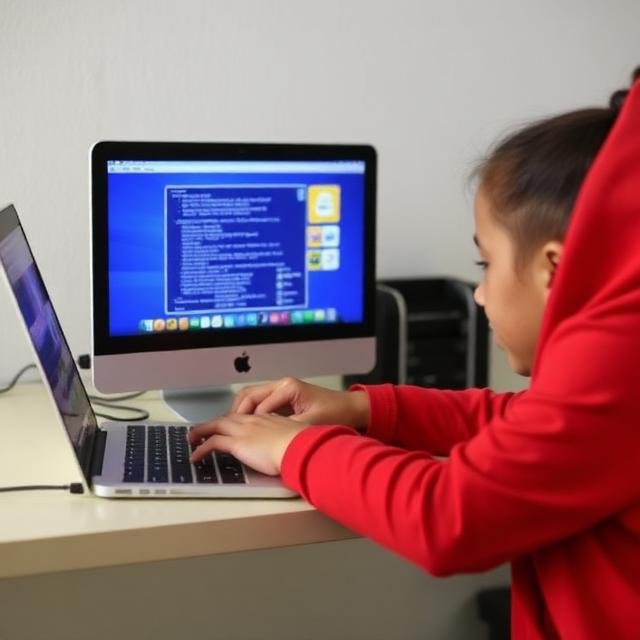
In the modern digital age, the internet has become an essential tool for communication, education, and economic growth. One of the most significant benefits of internet access is its ability to improve digital literacy. Digital literacy refers to the skills and knowledge required to effectively use digital technologies such as computers, smartphones, and online platforms.
As more people gain access to the internet, they also gain opportunities to learn how to navigate the digital world. From students and professionals to small business owners, internet access plays a crucial role in helping individuals develop the digital skills needed for success in today’s technology-driven society.
Understanding Digital Literacy
Digital literacy is more than simply knowing how to use a computer. It involves the ability to find, evaluate, create, and share information using digital tools. It also includes understanding how to use the internet safely and responsibly.
A digitally literate person can perform tasks such as searching for reliable information online, communicating through digital platforms, using productivity software, and protecting personal data. These skills are essential in modern education, workplaces, and everyday life.
Without digital literacy, individuals may struggle to participate fully in the digital economy and access many online services.
Access to Online Learning Resources
One of the primary ways internet access improves digital literacy is by providing access to educational resources. The internet offers countless tutorials, online courses, educational videos, and learning platforms that teach digital skills.
Students can learn how to use software applications, coding languages, graphic design tools, and data analysis platforms through online courses. Many of these resources are free or affordable, making digital education accessible to a global audience.
With consistent internet access, learners can explore different subjects and continuously develop their digital knowledge.
Encouraging Self-Learning and Skill Development
The internet promotes independent learning and skill development. Individuals can search for information, watch instructional videos, and practice new skills without needing formal classroom instruction.
For example, someone who wants to learn web design can access online guides, join community forums, and follow step-by-step tutorials. Similarly, people can improve their skills in digital marketing, programming, or content creation using online resources.
This culture of self-learning encourages curiosity and continuous improvement, which are key aspects of digital literacy.
Enhancing Communication and Collaboration
Internet access also improves digital literacy by enabling people to communicate and collaborate through digital platforms. Email, video conferencing, social media, and online collaboration tools allow individuals to connect and share ideas instantly.
Students can participate in virtual classrooms, professionals can collaborate with global teams, and entrepreneurs can connect with customers online. Through regular interaction with these tools, users develop stronger digital communication skills.
Learning how to communicate effectively in digital environments is an important part of being digitally literate.
Supporting Career Opportunities
Digital literacy is increasingly important for employment in many industries. Most modern jobs require basic computer skills, internet research abilities, and familiarity with digital tools.
Access to the internet allows individuals to learn these skills and prepare for the workforce. Online job portals, professional networking platforms, and remote work opportunities are all accessible through the internet.
By improving digital literacy, internet access helps people qualify for better career opportunities and adapt to the evolving job market.
Promoting Access to Information
The internet serves as a vast source of information. People can access news, educational content, research materials, and instructional guides from anywhere in the world.
However, digital literacy also involves understanding how to evaluate the credibility of online information. With regular internet use, individuals learn to compare sources, verify facts, and identify reliable content.
This ability to critically analyze digital information is a crucial skill in today’s information-rich environment.
Bridging the Digital Divide
Expanding internet access can help reduce the digital divide—the gap between people who have access to digital technologies and those who do not. In many developing regions, limited internet connectivity has historically restricted access to digital education and resources.
When internet infrastructure improves, communities gain opportunities to learn digital skills, access educational programs, and participate in the global digital economy.
By providing equal access to digital tools and information, internet connectivity plays an important role in promoting inclusive digital literacy.
Encouraging Responsible Technology Use
Digital literacy also includes understanding how to use technology responsibly. Internet access exposes users to topics such as online privacy, cybersecurity, and digital etiquette.
People learn how to protect personal data, recognize online scams, and interact respectfully in digital spaces. These skills are essential for maintaining a safe and productive online environment.
Education about responsible internet use helps individuals become confident and responsible digital citizens.
Final Thoughts
Internet access plays a vital role in improving digital literacy across the world. By providing access to learning resources, communication tools, and valuable information, the internet empowers individuals to develop essential digital skills.
As technology continues to shape education, employment, and everyday life, digital literacy will become even more important. Expanding internet access and promoting digital education can help individuals, communities, and nations thrive in the modern digital economy.
Through continuous learning and responsible technology use, the internet can serve as a powerful tool for building a more digitally literate and connected society.