
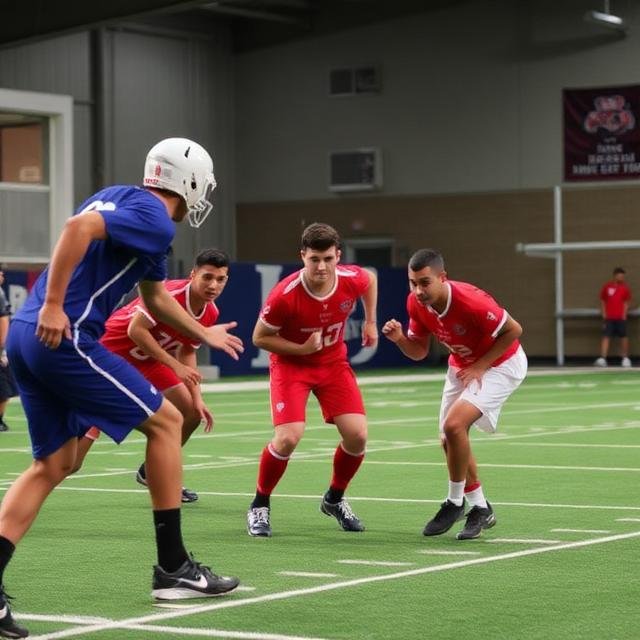
Sports are not just about competition and physical fitness—they also play a powerful role in personal development. One of the greatest benefits of participating in sports is the opportunity to develop important life skills, especially teamwork and leadership. Whether playing in school teams, community leagues, or professional competitions, sports provide a natural environment where individuals learn how to work together, communicate effectively, and lead others toward a common goal.
In this blog, we’ll explore how sports help individuals build strong teamwork and leadership skills that can benefit them both on and off the field.
Understanding the Importance of Teamwork in Sports
Teamwork is a fundamental part of many sports. Games such as soccer, basketball, volleyball, and cricket require players to cooperate with teammates to achieve success. No single player can win a match alone; victory often depends on how well the team works together.
Through sports, players learn that every member has a specific role and responsibility. When players support each other and coordinate their efforts, the team becomes stronger and more effective.
Key lessons about teamwork learned in sports include:
- Trusting teammates
- Communicating clearly during gameplay
- Supporting others during challenges
- Working toward shared goals
These experiences help individuals understand the value of collaboration and mutual respect.
Communication Skills Development
Effective communication is essential in both sports and leadership. During games, players must quickly share information, give instructions, and respond to teammates.
For example, players may call for a pass, signal defensive positions, or coordinate strategies during a match. These interactions strengthen communication skills and encourage players to express their ideas confidently.
Learning to communicate clearly under pressure is a valuable skill that applies to many real-life situations, including school projects, workplace teamwork, and leadership roles.
Learning Responsibility and Accountability
Sports teach players to take responsibility for their actions and performance. When an athlete makes a mistake during a game, they learn to acknowledge it and work on improving.
At the same time, players also learn accountability to the team. Each member’s effort affects the overall outcome of the game. This sense of responsibility encourages individuals to stay committed, practice regularly, and give their best effort.
Responsibility and accountability are key traits of effective leaders.
Building Leadership Skills
Sports often provide opportunities for players to develop leadership abilities. Team captains and experienced players take on leadership roles by motivating teammates, organizing strategies, and setting positive examples.
Leadership in sports includes:
- Encouraging teammates during difficult moments
- Making strategic decisions during gameplay
- Demonstrating discipline and commitment
- Helping teammates improve their performance
By practicing these behaviors, athletes learn how to guide and inspire others.
Learning to Handle Success and Failure
Sports naturally involve both victories and defeats. Learning how to celebrate success while remaining humble is an important leadership trait. At the same time, dealing with losses helps players develop resilience and determination.
Leaders often face challenges and setbacks, and sports provide valuable experiences that teach individuals how to stay focused, motivated, and optimistic.
Conflict Resolution and Cooperation
In competitive environments, disagreements may arise among teammates. Sports teach players how to manage conflicts in a constructive way.
Athletes learn to:
- Respect different opinions
- Listen to teammates’ perspectives
- Find solutions that benefit the entire team
These skills are essential for maintaining harmony and cooperation within any group.
Boosting Confidence and Motivation
Participating in sports can greatly increase self-confidence. As players develop skills, achieve goals, and contribute to team success, they gain confidence in their abilities.
Confident individuals are more likely to take initiative, lead others, and handle responsibilities effectively. This confidence is an important quality for future leaders.
Applying Sports Lessons in Real Life
The teamwork and leadership skills learned in sports extend far beyond the playing field. These lessons are highly valuable in many aspects of life, including education, careers, and community involvement.
People who participate in sports often develop:
- Strong collaboration skills
- Effective communication abilities
- Confidence in leadership roles
- The ability to work toward shared goals
These qualities make them valuable contributors in many professional and social environments.
Final Thoughts
Sports provide more than physical benefits—they help individuals develop essential life skills such as teamwork, leadership, communication, and responsibility. By working together toward common goals, athletes learn how to support one another and lead with confidence.
Whether playing at a recreational level or competing professionally, the experiences gained through sports can shape strong leaders and effective team players. These skills not only improve performance in sports but also prepare individuals for success in many areas of life.