
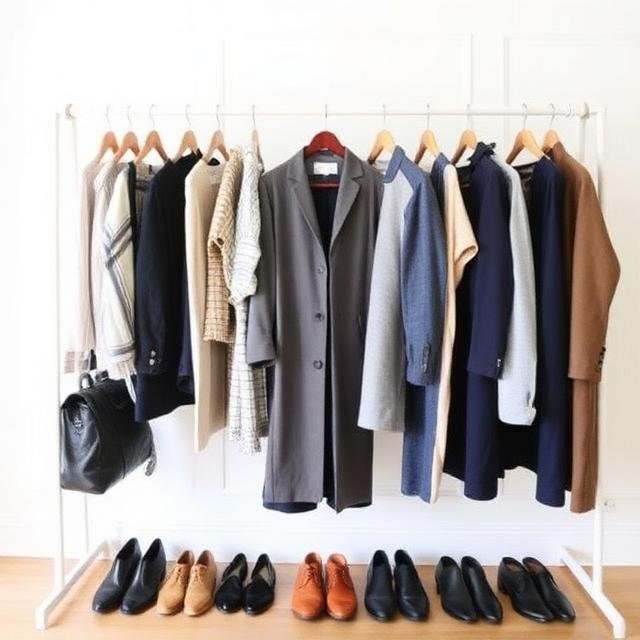
Building a perfect wardrobe can feel overwhelming, especially if you’re just starting out. With so many fashion trends, styles, and options available, it’s easy to get confused about what to buy and how to organize your clothes. The good news is that creating a functional, stylish wardrobe doesn’t require a huge budget or a closet full of clothes—it requires smart planning.
In this complete guide, you’ll learn how to build a perfect wardrobe for beginners, along with key concepts like What is the 3-3-3 rule for clothing?, What is the 5-4-3-2-1 method of wardrobe?, What is the 3-3-3 rule for packing?, and What is the 80/20 rule for wardrobe?
Why Building a Good Wardrobe Matters
A well-organized wardrobe simplifies your life and improves your overall style.
Key Benefits:
- Saves time when choosing outfits
- Reduces unnecessary spending
- Helps you look more polished
- Boosts confidence
- Makes dressing stress-free
Step-by-Step Guide to Building a Perfect Wardrobe
Step 1: Understand Your Lifestyle
Before buying clothes, think about your daily routine.
Ask yourself:
- Do I need formal or casual outfits?
- What is my work environment like?
- How often do I attend events?
Your wardrobe should match your lifestyle.
Step 2: Declutter Your Current Wardrobe
Start by removing items you don’t wear.
Tips:
- Keep clothes you love and wear often
- Donate or sell unused items
- Organize by category (tops, bottoms, etc.)
Step 3: Start with Basic Essentials
Every beginner wardrobe should include versatile basics.
Examples:
- Plain t-shirts (white, black, gray)
- Jeans
- Neutral trousers
- Jackets or blazers
- Comfortable shoes
Step 4: Choose a Color Palette
Stick to a consistent color scheme for easy mixing and matching.
Popular choices:
- Neutral tones
- Earthy colors
- Minimal bold accents
Step 5: Focus on Fit and Comfort
Well-fitted clothes always look better than expensive but ill-fitting ones.
Step 6: Build Around Versatility
Choose items that can be worn in multiple ways.
Example:
A blazer can be worn with jeans, trousers, or dresses.
Step 7: Add Statement Pieces
Once you have basics, include a few standout items.
Examples:
- Printed shirts
- Bold jackets
- Unique accessories
Step 8: Plan Before You Shop
Avoid impulse buying.
Tip: Make a list of what you actually need.
What Is the 3-3-3 Rule for Clothing?
The 3-3-3 rule for clothing is a simple method to create multiple outfits with minimal items.
The Rule:
- 3 tops
- 3 bottoms
- 3 pairs of shoes
Benefits:
- Simplifies decision-making
- Encourages creativity
- Reduces clutter
What Is the 5-4-3-2-1 Method of Wardrobe?
The 5-4-3-2-1 method is a structured way to build a balanced wardrobe.
The Breakdown:
- 5 tops
- 4 bottoms
- 3 pairs of shoes
- 2 layering pieces
- 1 statement item
Why It Works:
- Ensures variety
- Keeps your wardrobe manageable
- Ideal for beginners
What Is the 3-3-3 Rule for Packing?
The 3-3-3 rule for packing is perfect for travel or minimal wardrobes.
The Rule:
- 3 outfits
- 3 pairs of shoes
- 3 accessories
Benefits:
- Prevents overpacking
- Keeps outfits organized
- Saves space
What Is the 80/20 Rule for Wardrobe?
The 80/20 rule (Pareto Principle) suggests that you wear 20% of your clothes 80% of the time.
What It Means:
- Focus on your most-used items
- Invest in pieces you wear often
- Avoid buying rarely-used clothes
How to Apply It:
- Identify your favorite outfits
- Build your wardrobe around them
- Eliminate unnecessary items
Essential Wardrobe Checklist for Beginners
Tops:
- Basic t-shirts
- Shirts or blouses
- Sweaters
Bottoms:
- Jeans
- Trousers
- Casual pants
Outerwear:
- Jacket
- Blazer
Footwear:
- Sneakers
- Formal shoes
- Casual shoes
Accessories:
- Watch
- Belt
- Bag
Tips to Maintain a Perfect Wardrobe
1. Keep It Organized
Arrange clothes neatly for easy access.
2. Rotate Your Outfits
Use different combinations to avoid repetition.
3. Update Regularly
Replace worn-out items.
4. Avoid Overbuying
Stick to what you need.
5. Focus on Quality
Invest in durable pieces.
Common Mistakes to Avoid
1. Buying Too Many Clothes
More clothes don’t mean better style.
2. Ignoring Fit
Fit is more important than brand.
3. Following Trends Blindly
Stick to timeless pieces.
4. Lack of Planning
Always shop with a purpose.
5. Neglecting Basics
Basics are the foundation of your wardrobe.
How to Evolve Your Wardrobe Over Time
1. Experiment with Styles
Try new looks gradually.
2. Add Seasonal Pieces
Adjust your wardrobe based on weather.
3. Upgrade Essentials
Replace low-quality items with better ones.
4. Stay True to Your Style
Don’t copy others—create your own identity.
Final Thoughts
Building a perfect wardrobe for beginners doesn’t have to be complicated. By understanding your needs, starting with basics, and applying strategies like the 3-3-3 rule for clothing, 5-4-3-2-1 method, 3-3-3 packing rule, and the 80/20 rule for wardrobe, you can create a stylish, practical, and efficient closet.