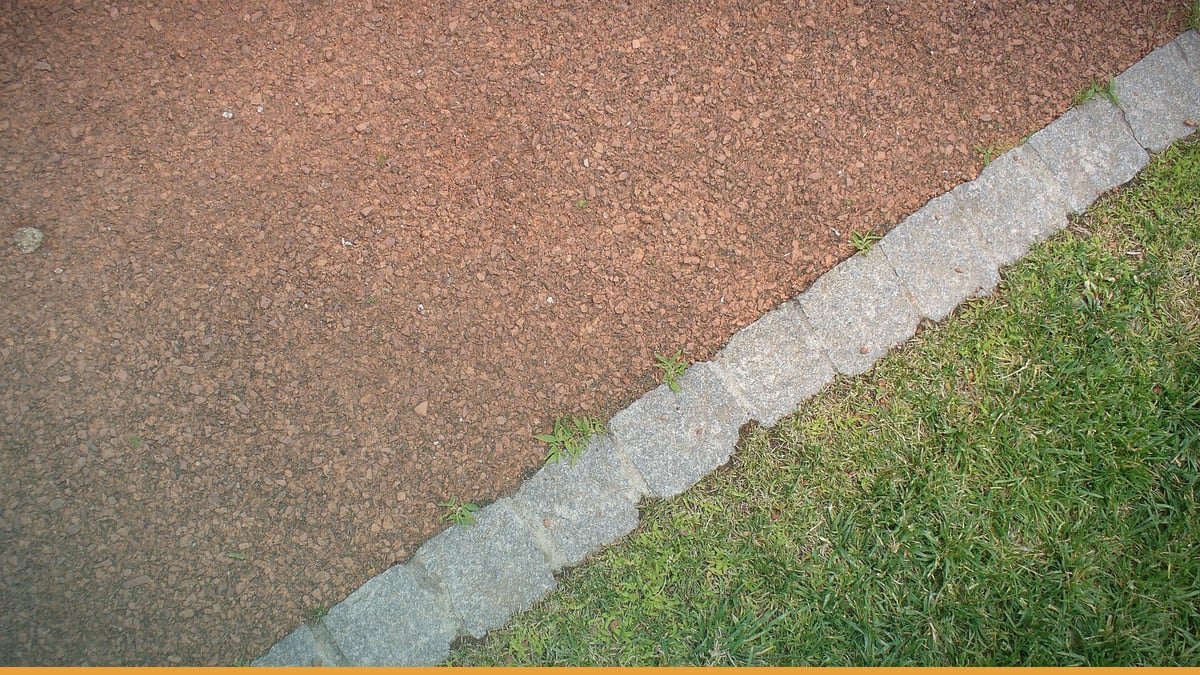
Header image: Technology vs Nature by Prazeres, CC BY-SA 3.0, via Wikimedia Commons — cropped to 16:9 and colour-adjusted.

Key takeaways
- Technology extends natural principles, not opposes them
- Environmental crises stem from planning failures, not tech
- Responsible innovation requires long-term thinking and accountability
Technology vs. nature. That’s the battle we’re told we’re fighting. But there’s no war here. Science is how we decode nature. Technology is what we build with that knowledge. Lineage, not conflict.
The real fight isn’t between silicon and soil. It’s between human foresight and human short-termism.
This "technology vs. nature" framing is pure distraction. It sets up a contest where one side might "win," where progress could crush the natural world—or be crushed by it. Dangerous nonsense. A Stanford historian argues that viewing nature and technology as interdependent provides a more comprehensive understanding of past and present. That interdependence isn’t just historical—it’s fundamental. Every algorithm, every vaccine, every wind turbine runs on natural principles we’ve observed and adapted. The rift only exists in our selective acceptance of science. We take the medical breakthroughs. We ignore the climate models when they ask too much of us.
The Historical Illusion of Conflict
The "" trope isn’t new. TV Tropes traces it back to fire. An eternal war between human progress and the natural world. Seductive framing. Deforestation. Plastic oceans. Smog-choked cities. Easy to see conflict. But these aren’t technological failures. They’re planning failures.
Rudi Kershaw notes that it’s easy to conclude there is a rift between nature and technology when looking at surface appearances. Surface appearances lie. The real story isn’t opposition. It’s misapplication. We treated fossil fuels like an endless resource, not a temporary bridge. We built cities for cars, not ecosystems. These aren’t technological failures. They’re human ones.
The hypocrisy is glaring. We trust antibiotics to save lives but dismiss climate models when they demand inconvenient changes. We celebrate AI’s potential to cure diseases but ignore its energy consumption. Both rely on the same scientific method. The difference isn’t the science. It’s our willingness to act on it.
Technology as an Extension of Nature, Not Its Enemy
Technology isn’t separate from nature. It’s humanity’s application of natural principles. Neural networks mimic biological cognition. Solar panels convert light—a natural phenomenon—into electricity. CRISPR edits DNA, a natural code. Calling these "unnatural" isn’t just misleading. It’s counterproductive.
Kershaw argues that branding new technology as unnatural is both unhelpful and misleading. The label obscures the truth. All technology emerges from our understanding of nature. The question isn’t whether technology is natural. It’s whether we use it responsibly. A hammer can build a home or smash a window. The hammer isn’t the problem. The hand holding it is.
This isn’t philosophy. It’s practical reality. Renewable energy technologies—wind turbines, solar panels, geothermal systems—don’t oppose nature. They harness it. AI is no different. Machine learning models are inspired by biological neural networks. They don’t exist in opposition to nature. They’re a product of our attempt to replicate it. The distinction isn’t between "natural" and "artificial. " It’s between "aligned" and "misaligned" with natural systems.
The Real Problem: Lack of Responsibility, Not Technology Itself
Technology accelerates human capacity. It lets us achieve goals—and create consequences we never anticipated. Kershaw observes that technology has accelerated human capacity to achieve goals and move toward consequences previously unconsidered. That acceleration isn’t inherently good or bad. It’s neutral. The outcome depends on how we wield it.
The environmental crises we face aren’t failures of technology. They’re failures of responsibility. Kershaw argues that lack of forward planning and personal responsibility, not technology itself, has brought humanity to current environmental challenges. Nuclear waste isn’t a failure of fission. It’s a failure of foresight. Industrial agriculture’s soil depletion isn’t a failure of tractors. It’s a failure of monoculture.
The problem isn’t that we’ve built tools. It’s that we’ve treated inadequate tools as permanent solutions. Fossil fuels were never meant to be an eternal energy source. They were a stepping stone. We mistook the stepping stone for the destination. Kershaw notes that technology can only be blamed when we overuse inadequate technologies as permanent solutions rather than stepping stones to better alternatives. That’s the real issue. Not the tools. Our refusal to upgrade them.
The Political Battleground: How the False Dichotomy Shapes Discourse
The "technology vs. nature" framing isn’t just philosophical. It’s political. The clash between nature and technology shapes political discourse in areas like AI, bioethics, and sustainability. The debates aren’t about science. They’re about values. The framing turns those values into moral binaries: "" ""
Look at debates over genetic modification. Opponents call them "unnatural," despite their potential benefits. Meanwhile, climate technologies are often framed differently, despite being similarly engineered. Both rely on the same scientific foundation. The difference is cultural bias.
This framing simplifies complex issues into false choices. It turns nuanced debates into ideological battles. Polarization. Inaction. A distraction from the real question: not whether technology is "natural," but whether it’s designed responsibly.
The Two Most Potent Forces in Human Life—Cooperation, Not Conflict
Technology and nature are two of the most potent forces in our world. Both can improve and harm human lives. The outcome isn’t predetermined. It’s a question of design.
Renewable energy. Wind turbines and solar panels don’t oppose nature. They work within it. They convert natural processes into usable power. Precision agriculture uses AI to optimize water and fertilizer use, reducing waste. These technologies don’t conquer nature. They collaborate with it.
But the opposite is also true. Industrial farming depletes soil while claiming efficiency. Social media algorithms exploit natural cognitive biases—curiosity, fear, tribalism—to maximize engagement. These technologies don’t align with nature. They exploit it.
The difference isn’t the technology. It’s the intent. Technology and nature are two of the most potent forces in our world with potential to both improve and harm human lives. The key word is "potential. " The outcome depends on us.
Moving Beyond the False Choice: A Framework for Responsible Innovation
The "technology vs. nature" debate is a false choice. The real question isn’t which side will win. It’s how we align technological progress with natural systems. That requires a shift in mindset.
First: Long-term thinking. Treat technologies as stepping stones, not permanent solutions. Fossil fuels were a bridge, not a destination. AI is a tool, not a savior. Kershaw’s advice is clear: technology can only be blamed when we overuse inadequate technologies as permanent solutions rather than stepping stones to better alternatives. We need to plan for obsolescence.
Second: Humility. Acknowledge that all technology is built on natural laws. There’s no "unnatural" innovation. Only poorly applied science. A nuclear reactor isn’t unnatural. It’s an application of physics. The question is whether we’ve accounted for its waste.
Third: Accountability. Shift blame from tools to their users. A knife isn’t evil. A surgeon’s scalpel and a murderer’s blade are the same technology. The difference is the hand that wields it. The same is true for AI, CRISPR, or fossil fuels. The problem isn’t the technology. It’s how we use it.
The circular economy offers a model. It designs technology to work within natural cycles—recycling materials, minimizing waste, regenerating ecosystems. It’s not about conquering nature. It’s about collaborating with it.
The AI Paradox: A Case Study in Interdependence
AI is the perfect example of technology’s interdependence with nature. Machine learning models are inspired by biological neural networks. They don’t exist in opposition to nature. They’re a product of our attempt to replicate it.
AI’s potential is vast. It optimizes energy grids, reducing waste. It predicts natural disasters, saving lives. It accelerates medical research, curing diseases. But it also has risks. Training large models consumes massive energy. Deepfakes manipulate reality. Algorithms displace jobs.
The paradox isn’t in the technology. It’s in our governance. AI doesn’t exist outside nature. It’s a product of human understanding of natural patterns. Its impact depends on how we design, deploy, and regulate it.
This isn’t a battle between silicon and synapses. It’s a question of responsibility. Will we use AI to exploit nature—or to align with it?
The Only Real Battle Is Human Choices
The "technology vs. nature" debate is a distraction. Both are inseparable. The real tension isn’t between them. It’s in how we develop and deploy tools.
The next era of progress won’t be defined by whether technology conquers nature. It will be defined by whether humanity can finally act as a steward, not a conqueror.
The question isn’t "technology vs. nature? " It’s "responsibility vs. recklessness? " And that’s a battle we can’t afford to lose.
Leave a Reply